


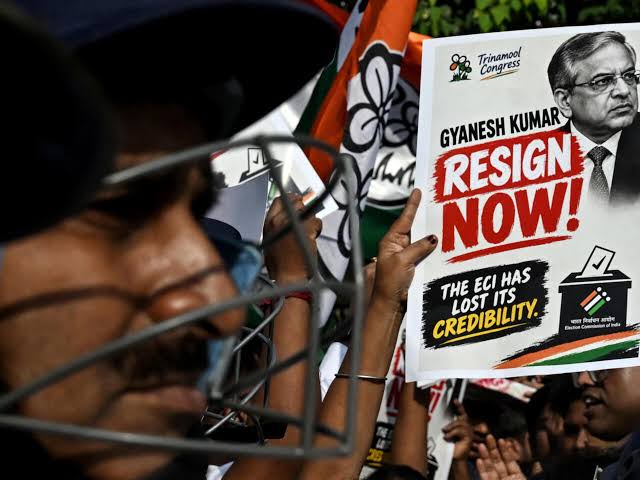
A growing chorus of opposition leaders has intensified its campaign against the Election Commission of India and Chief Election Commissioner Gyanesh Kumar. Prominent figures from the Aam Aadmi Party and the Congress party have led the charge, raising serious concerns regarding the integrity of the electoral processes currently being overseen by the constitutional body.
At the heart of the controversy is the Special Intensive Revision (SIR) of electoral rolls. Opposition leaders, including AAP's Sanjay Singh and Congress spokesperson Pawan Khera, have publicly criticized the commission, alleging that this specific administrative exercise is undermining the democratic foundations of the country. These leaders argue that the manner in which the revision is being conducted poses a direct threat to the constitutional mandate of ensuring free and fair elections.
The criticism stems from accusations of what the opposition describes as large-scale “vote chori,” or theft of votes. According to statements made by the protesting leaders, the current electoral roll management system is flawed and prone to manipulation, which they suggest is eroding public trust in the democratic apparatus. These claims have been echoed in various public statements and organized protests, signaling a broader push by the opposition for significant changes in how election-related data is handled and verified.
Sanjay Singh and Pawan Khera have consistently maintained that the Election Commission must be held accountable for the administrative decisions that have sparked these disputes. The opposition argues that the intensity of the revision process, as currently structured, lacks the necessary transparency required to prevent potential irregularities. By framing the issue as a matter of “regime change,” these political figures seek to highlight their perception that the election machinery itself has become a point of contention in the current political landscape.
As the debate surrounding the electoral roll revision continues to gain momentum, the role of the Election Commission has come under renewed scrutiny. The opposition’s demand appears to be rooted in a desire for a more robust oversight mechanism that can withstand allegations of bias or technical errors. The accusations of large-scale electoral mismanagement suggest that the opposition parties are preparing to keep the spotlight firmly on the Election Commission's functioning in the lead-up to future electoral cycles.
The impact of these allegations on voter perception remains a key concern for political analysts. By questioning the legitimacy of the electoral rolls, the opposition leaders are attempting to mobilize public opinion against the established administrative procedures. This development reflects a heightened state of political tension, where the integrity of electoral institutions is being challenged by those who feel that the current mechanisms are not adequately safeguarding the constitutional rights of the electorate.
Looking ahead, the response from the Election Commission to these specific charges remains a critical factor. Whether the commission will address the grievances through additional transparency measures or through formal clarifications remains to be seen. As the political friction persists, the demand for a more transparent and verifiable electoral roll process is likely to remain a central theme in the ongoing discourse between the ruling opposition and the constitutional authorities tasked with conducting elections.








Comments