


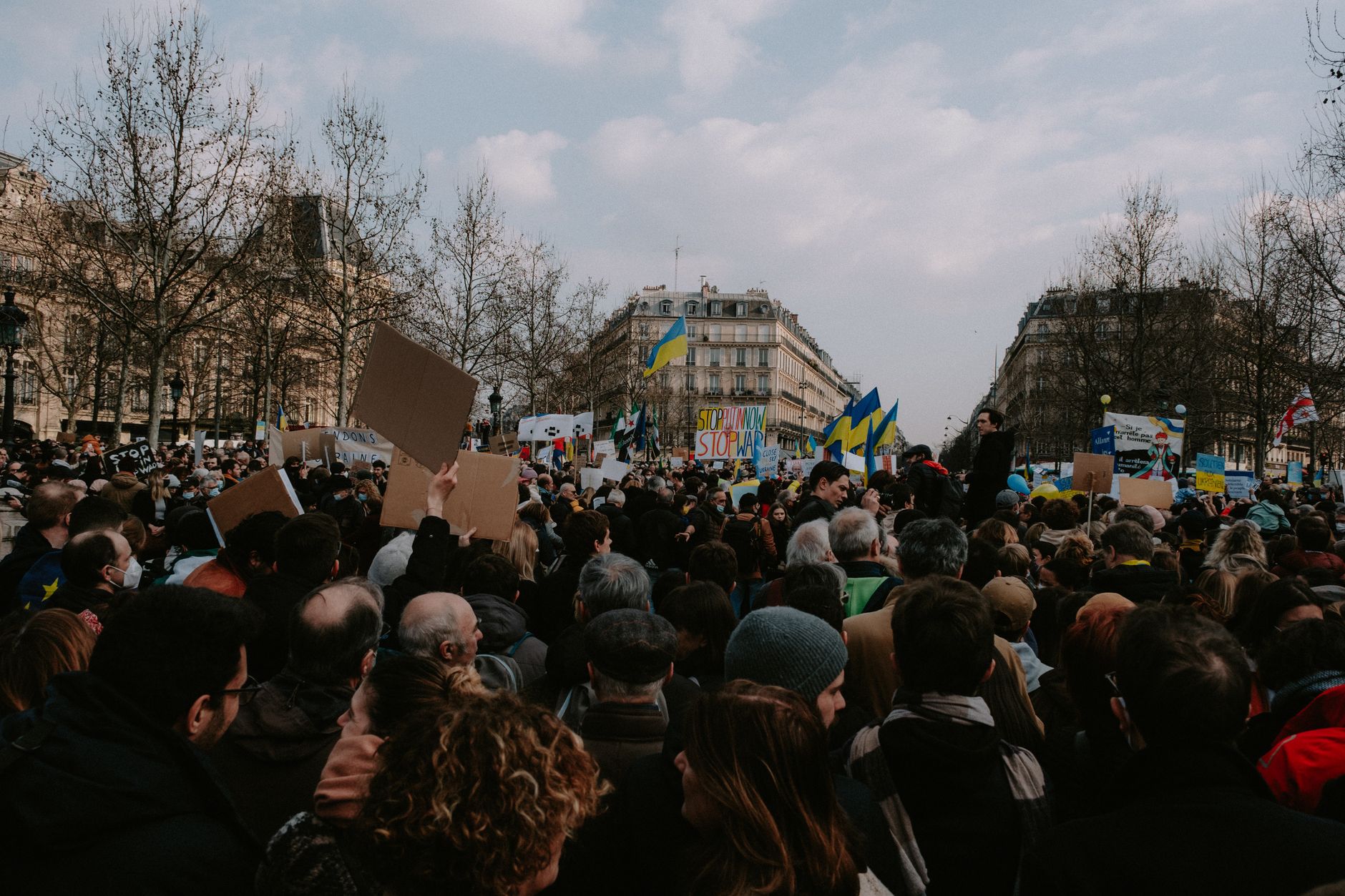
More than 100 individuals, including students and journalists, were detained by police in Bengaluru during demonstrations held in opposition to the Special Intensive Revision (SIR) of electoral rolls. The protest, which sought to challenge government processes regarding the state's voter registration updates, drew a swift response from local law enforcement, leading to mass detentions that have since become a focal point of public discourse.
The scale of the police intervention has raised significant questions regarding the protection of civil liberties and the right to peaceful protest within the state. Concerns have been voiced by various segments of civil society and observers regarding the treatment of those who gathered to express dissent. The arrests, which included members of the press, have prompted scrutiny over the boundaries between maintaining public order and upholding the fundamental right to freedom of expression.
In the wake of the incident, Karnataka Deputy Chief Minister D.K. Shivakumar has intervened by seeking a formal report on the circumstances surrounding the police action. The request for a comprehensive account of the events aims to clarify the grounds for the large-scale detentions and assess whether the police response was proportionate to the situation on the ground. The state government is currently under pressure to explain its handling of the protesters as criticism mounts from various political and social fronts.
The situation in Bengaluru has reverberated beyond the city limits, sparking a broader political debate on a national scale. The Congress party, responding to the developments in Karnataka, has organized rallies in Delhi to highlight concerns regarding the suppression of dissenting voices and the perceived shrinking space for civil society to challenge government decisions. These protests underscore the sensitivity surrounding administrative exercises like electoral roll revisions, which are essential to democratic processes.
The controversy is rooted in the implementation of the Special Intensive Revision of electoral rolls. Opponents of the current revision process have argued that such exercises, if not conducted with absolute transparency, could impact the integrity of democratic representation. The government's decision to carry out this revision has been met with skepticism by groups who believe that the procedural changes warrant greater public scrutiny and independent oversight.
Observers note that the incident in Bengaluru is emblematic of a larger national conversation about the role of the state in managing public dissent. As democratic institutions face increasing scrutiny, the balance between security measures and the right to congregate peacefully remains a contentious issue. The involvement of journalists in the detentions has added a layer of complexity, drawing attention to the challenges faced by the media while covering sensitive civil demonstrations.
As the administration prepares to provide the report requested by the Deputy Chief Minister, stakeholders are looking for assurances that the state respects the constitutional rights of its citizens. The outcome of this inquiry is expected to influence not only the local political climate in Karnataka but also the wider national discourse on the protection of political space. Future developments will depend on the findings of the internal report and the subsequent response from both the state government and the concerned civil groups who remain vocal about the incident.








Comments