


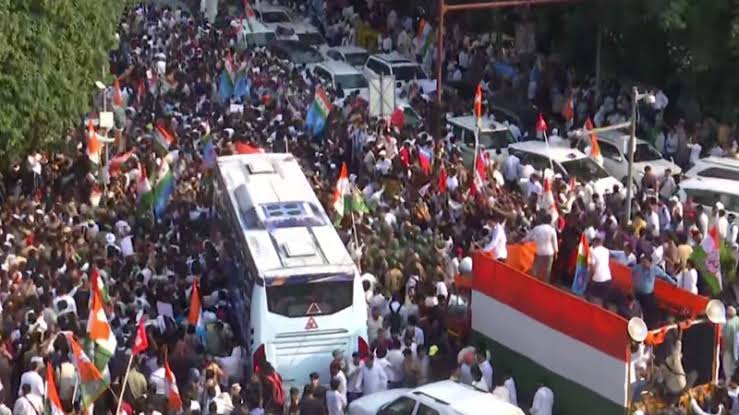
The INDIA bloc has initiated a formal challenge against the Election Commission concerning the Special Intensive Revision (SIR) of electoral rolls. By seeking judicial intervention, opposition leaders have brought allegations of procedural irregularities to the forefront, questioning the integrity of the voter-list revision process. This development marks a significant escalation in the ongoing political confrontation between the opposition coalition and the central election body.
At the heart of the controversy are concerns regarding transparency and fairness in how electoral rolls are managed. The INDIA bloc maintains that the current methods employed during the Special Intensive Revision could potentially undermine the electoral process, prompting them to approach the courts for a resolution. In response to these claims, the Election Commission has issued a rebuttal, categorically denying any allegations of political favouritism or bias in its administrative operations.
As the legal challenge proceeds, the involvement of prominent figures, including senior advocate Prashant Bhushan and Neha Bora, has intensified the public discourse. Prashant Bhushan has been central to the conversation, specifically addressing the democratic prerogative of citizens to advocate for regime change. His remarks on the subject have become a new flashpoint in the national debate, eliciting sharp and divergent reactions from across the political spectrum.
The current situation raises fundamental questions about the nature of political protest in the country today. Observers are increasingly debating where the line is drawn between legitimate democratic dissent and political escalation. While the INDIA bloc frames its actions as a necessary effort to safeguard the sanctity of the vote, critics and political opponents have questioned whether these tactics are motivated by a desire for institutional change rather than purely electoral integrity.
Public order and the conduct of political movements have also become central themes in this widening confrontation. As parties prepare for future electoral challenges, the debate over how political organizations interact with constitutional bodies like the Election Commission is likely to persist. The judiciary's role in adjudicating these concerns will be critical in determining the trajectory of the dispute and the validity of the claims leveled by the opposition.
The coming weeks are expected to shed more light on the legal arguments presented by both sides. With the Election Commission defending its procedural mandates and the INDIA bloc insisting on greater oversight, the judiciary is now positioned as the primary arbiter in this impasse. For now, the confrontation highlights a deepening divide over the mechanisms of democracy and the balance of power between elected officials, political coalitions, and independent regulatory institutions.
Ultimately, the core of the issue remains the preservation of trust in the electoral process. As all parties involved await further judicial updates, the discourse continues to focus on whether the current protests are a catalyst for electoral reform or a broader strategy aimed at shifting the current political landscape. The outcome of these proceedings will have implications for the future relationship between political stakeholders and the electoral machinery of the nation.








Comments