


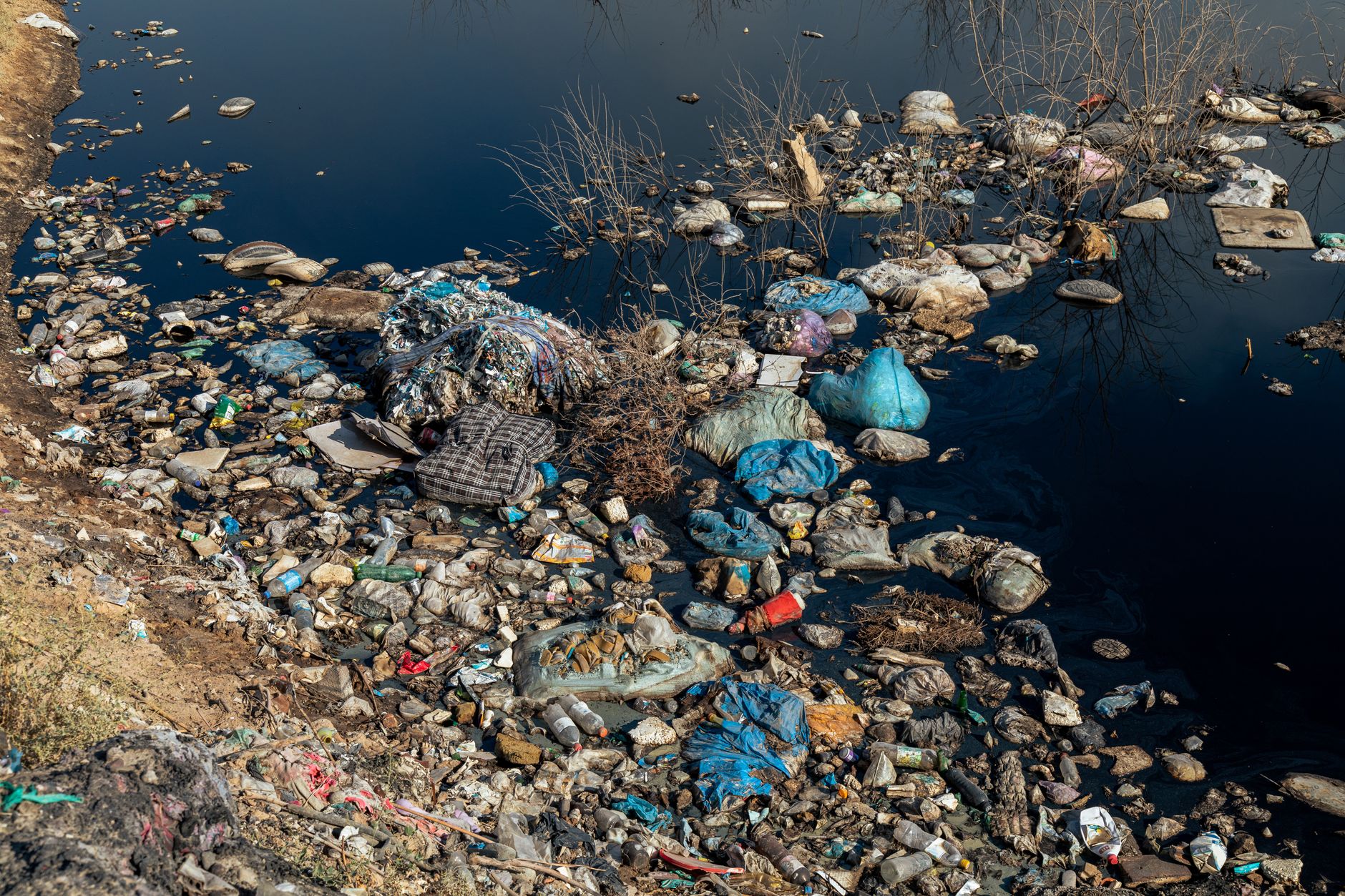
The Supreme Court on Monday expressed strong dissatisfaction with the state of the Yamuna, observing that the river's condition has deteriorated despite the large sums of money allocated for its cleanup. A bench comprising Justice Manoj Misra and Justice Manmohan described the persistent pollution as a failure of civic administration across the towns, cities, and villages situated along the riverbanks.
To address the issue, the court directed the Central Pollution Control Board (CPCB) to conduct regular water quality checks at entry and exit points for the river across every state, union territory, and district. The bench highlighted the existence of 520 drains that currently discharge untreated wastewater into the Yamuna, stressing that authorities must implement more rigorous monitoring to prevent further contamination.
The court warned that states, union territories, and districts will be held directly accountable and face penalties if water quality parameters worsen as the river flows through or exits their specific jurisdictions. Applying the principle of “Common But Differentiated Responsibilities,” the bench explained that while every state shares the duty to protect the river as part of a connected system, their specific obligations will be proportionate to their pollution contribution and their capacity to control it.
Key facts
- The Supreme Court bench included Justice Manoj Misra and Justice Manmohan.
- There are 520 drains currently discharging untreated wastewater into the Yamuna.
- The Central Pollution Control Board must now monitor water quality at all state and district entry and exit points.
- The court applied the principle of 'Common But Differentiated Responsibilities' to allocate duties among states.
Why it matters
The court's directives aim to institutionalize stricter enforcement and accountability for environmental management. By linking potential penalties to specific geographic jurisdictions, the judiciary seeks to halt the flow of untreated sewage and industrial waste that frequently causes toxic foam to accumulate, a recurring issue that recently drew renewed public attention during Chhath Puja celebrations.
Source: News18






Comments