


The United States has conducted a series of air strikes targeting Iranian positions on Qeshm island, marking a new escalation in the ongoing conflict between the two nations. Two projectiles struck the island on Friday night, hitting targets that authorities identified as Iranian air defense installations and launchers. US President Donald Trump characterized the recent aerial bombardments as “minor strikes,” even as regional and international concern regarding a broader conflagration continues to intensify.
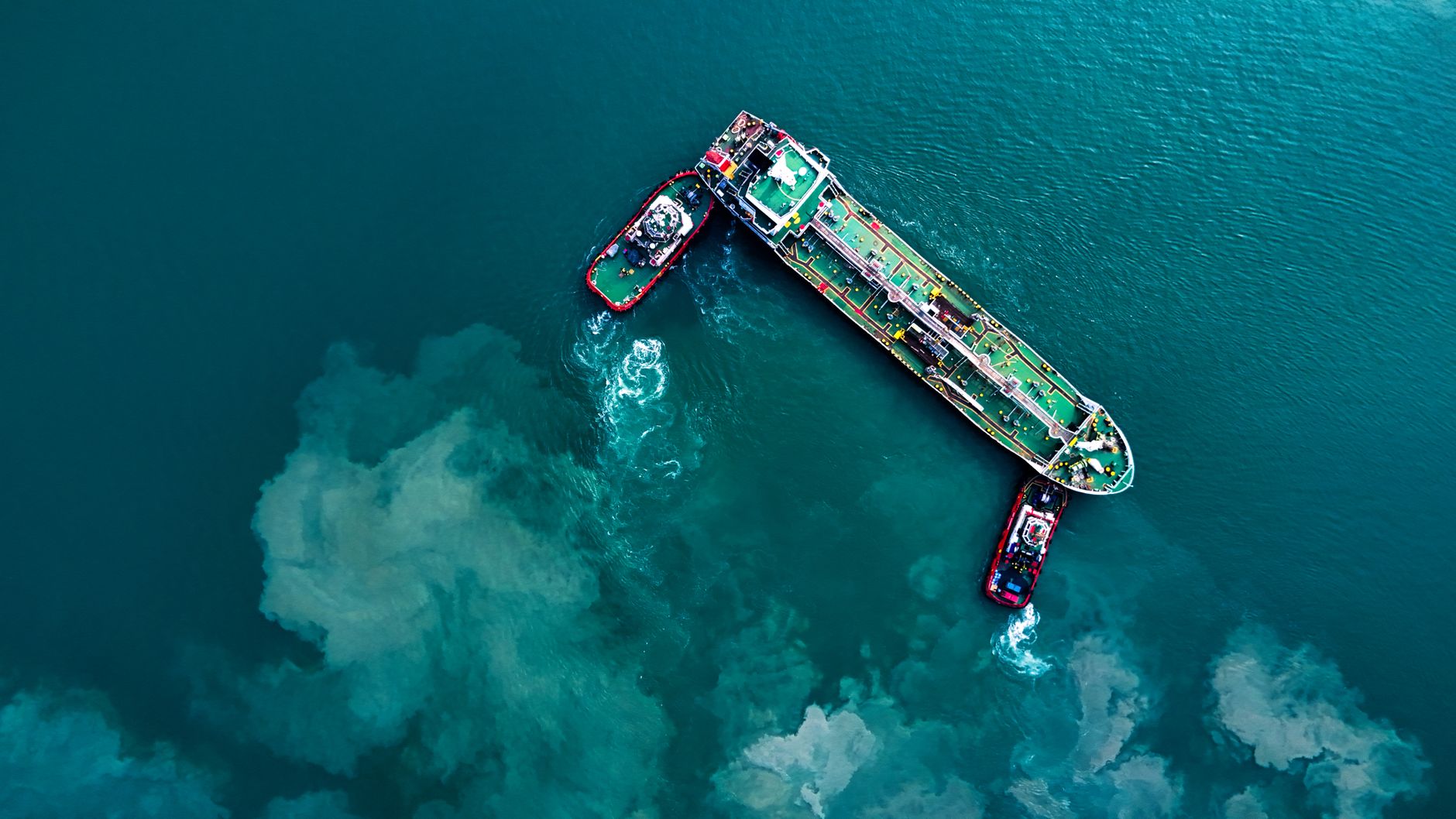
These developments occur against the backdrop of significant instability in the Strait of Hormuz, a critical maritime chokepoint. According to data from the United Kingdom Maritime Trade Operations (UKMTO), at least 11 vessels have been targeted in and around the strait during the week ending November 6, with three of those ships reportedly sinking. The agency noted that it has recorded 88 projectile strikes since hostilities flared in early July, though it cautioned that many incidents likely remain unreported. The disruption has severely impacted global transit, with current shipping levels approximately 65 percent lower than pre-conflict figures.
In response to the intensifying pressure, the Islamic Revolutionary Guard Corps (IRGC) has announced a significant shift in its military posture. IRGC spokesperson Hossein Mohebbi stated on Saturday that the military has officially lifted its long-standing self-imposed limit of 2,000 kilometers on ballistic missile ranges. This decision follows directives from Supreme Leader Mojtaba Khamenei to maintain an unrestrained military response to any threats posed by the US or Israel. Mohebbi added that the aerospace division of the IRGC has prepared “surprising” defense achievements that would be deployed if major attacks continue.
The Iranian military also reported successes in intercepting aerial assets. The army claimed that it destroyed a US-made MQ-9 drone using a newly developed system in the early hours of Saturday. Separately, the IRGC claimed to have intercepted an MQ-1 aircraft, marking what officials say is the 16th such instance since the conflict began. Naval forces further warned that tankers using unauthorized routes face hazards from sea mines, citing an incident where a tanker with its transponder deactivated caught fire after striking a mine in the eastern area of the strait.
Amid these military maneuvers, Tehran is engaging in a flurry of diplomatic activity. Iranian Foreign Minister Abbas Araghchi stated that he held discussions with 12 foreign ministers over a 48-hour period, including representatives from Qatar, Oman, Saudi Arabia, and Pakistan. Araghchi outlined Iran’s position on reopening the Strait of Hormuz and emphasized the necessity for regional security arrangements to be established without the interference of superregional powers. Additionally, Iranian security chief Mohsen Rezaei recently traveled to Moscow to convey messages from Khamenei to Russian President Vladimir Putin.
Political analysts suggest the current situation is trapped in a precarious cycle. Mostafa Najafi, an analyst described as close to Iran’s security leadership, likened the dynamic to a “constant pendulum swing between war and negotiations” that is increasingly tilting toward open conflict. While mediators from regional powers attempt to broker de-escalation, Tehran’s rhetoric remains defiant. The IRGC has announced plans to unveil an underground “missile city” and intends to display combat systems in public spaces, signaling that, for now, both sides remain on a war footing.







Comments