


Global oil prices registered a modest increase during early trading on Tuesday after the United States military conducted strikes on Iran's Qeshm Island. The move, which is the latest in a series of limited, low-profile operations by Washington, has reignited market concerns regarding the stability of energy supply chains through the critical Strait of Hormuz. By 0104 GMT, Brent crude futures saw an uptick of 48 cents, or 0.5%, reaching $105.25 per barrel. Similarly, US West Texas Intermediate (WTI) crude climbed 47 cents, or 0.5%, to touch $96.93 per barrel.
These developments represent a sharp pivot for energy markets, which had experienced a decline in the previous session. Brent crude had settled 7.63% lower on Monday, closing at $104.77 per barrel. The recent price volatility follows a month of intense market speculation, as the benchmark had concluded October at its highest level in six months. Analysts attribute this prior surge to growing anxieties that the ongoing Middle East conflict—which first erupted in late February—could broaden significantly in the wake of the recent US midterm elections.
American officials, as reported by The Wall Street Journal, described the strikes on Qeshm Island as necessary defensive measures. The specific objective of these operations is to deter Iran from targeting commercial shipping vessels navigating the Strait of Hormuz, a vital artery for global petroleum and natural gas transit. The island is considered a strategic location, hosting a naval base, a major desalination plant, and an underground missile site. It has been the subject of US military attention during previous phases of the broader regional conflict.
The Biden administration has reportedly adopted a strategy of conducting these limited strikes without issuing public announcements. This approach is intended to maintain a low-profile engagement, effectively preventing the perception of a return to large-scale, conventional military warfare between the two nations. While the frequency of these operations has increased in recent weeks, officials are careful to avoid signalling a dramatic shift in their overarching military posture.
Despite the military action, US President Donald Trump has actively sought to downplay the prospect of renewed, large-scale hostilities. When asked on Monday if he was considering further or more aggressive attacks following the conclusion of the midterm elections, the President provided a concise "no." Furthermore, Trump indicated that a diplomatic resolution or a new deal with Tehran remains a viable possibility. These comments were echoed by Iranian Foreign Ministry spokesperson Esmail Baghaei, who suggested that the impetus for the next move now rests with Washington.
Regional dynamics remain complex as both nations navigate the balance between military deterrence and diplomatic back-channels. Reports indicate that communication between American and Iranian representatives is ongoing, facilitated by Qatari mediators. However, despite these efforts, officials confirm that the discussions have yet to yield any substantive breakthrough or long-term de-escalation agreement. Iranian authorities have maintained a stern stance, warning that any further provocation by the United States would be met with retaliation.
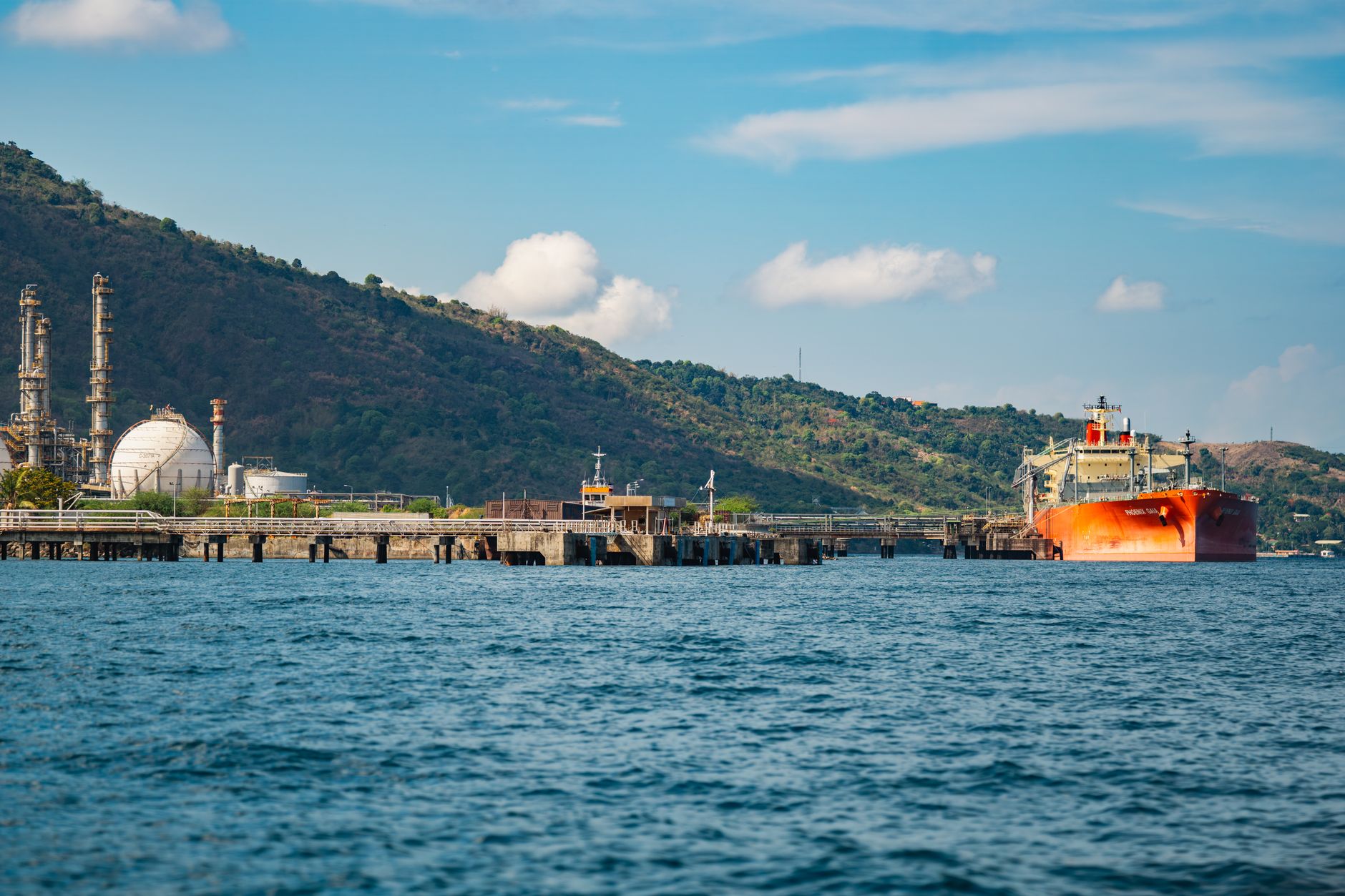
The Strait of Hormuz remains the focal point of these tensions, as it historically handles roughly one-fifth of the world’s crude oil and natural gas supplies. Prolonged disruption to this waterway has been a major driver of market anxiety since February, as traffic through the region has already seen a significant reduction. As global traders and energy analysts continue to monitor the situation, the intersection of military activity on Qeshm Island and the success of mediation efforts will likely dictate the short-term trajectory of oil markets.







Comments