


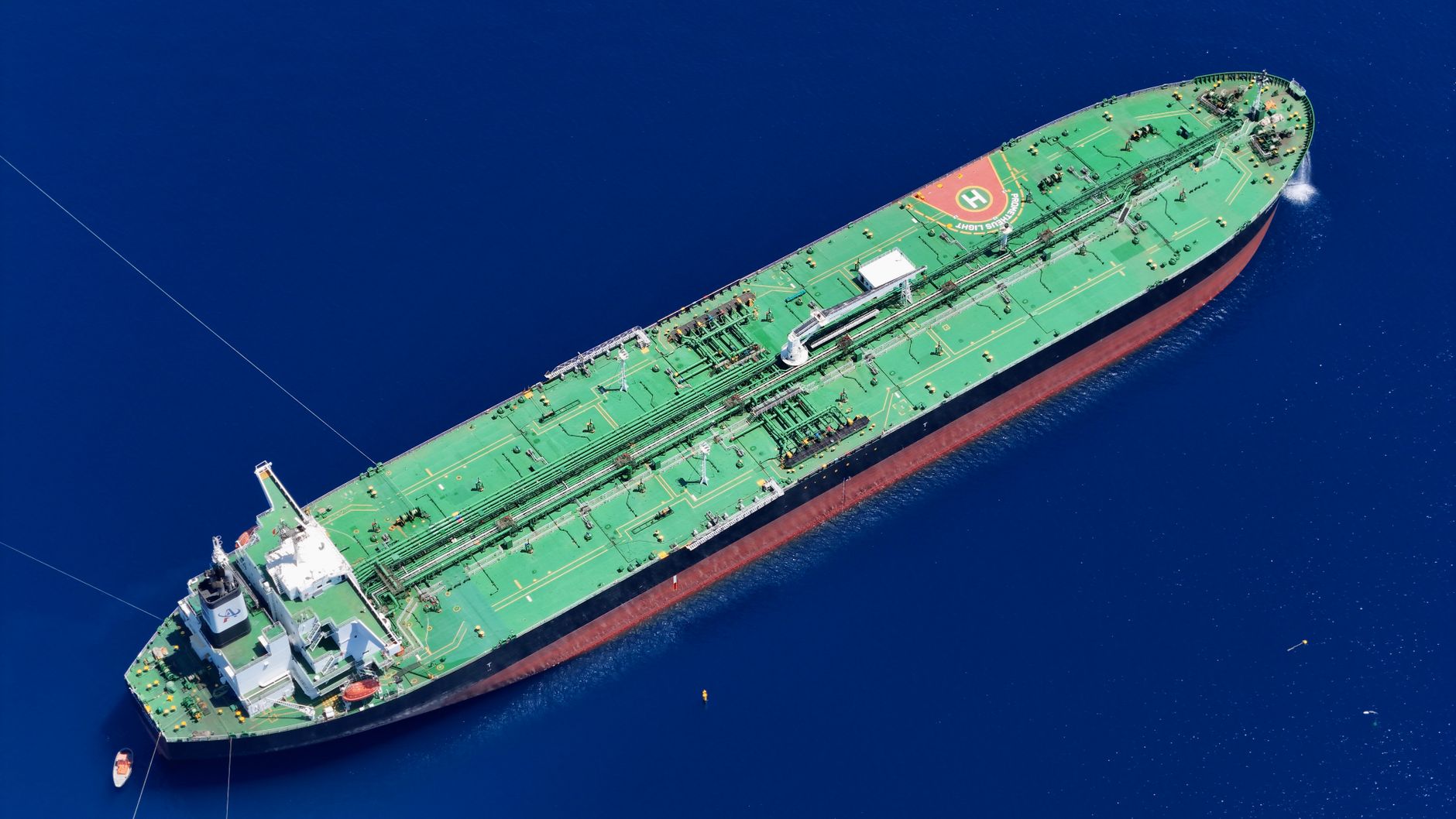
Iranian military authorities reported on Thursday that at least five oil tankers and one tugboat were struck by naval mines in the Strait of Hormuz, marking a significant escalation in the volatility of the vital maritime waterway. The Islamic Revolutionary Guard Corps (IRGC) stated that the incidents occurred over several hours, leaving multiple vessels disabled and engulfed in fires as they attempted to navigate the region.
According to the IRGC, the sequence of events began on Wednesday night when a large oil tanker was brought to a halt after striking a mine south of the Strait. Subsequently, a supertanker caught fire while attempting to exit the eastern section of the waterway. A nearby tugboat, which had moved to assist the vessel, was also reportedly damaged by fire during the operation.
The Iranian army later corroborated these reports, stating that three additional tankers were hit by naval mines throughout Thursday morning. According to the state-run IRNA news agency, these vessels were operating in areas described by the military as unsafe. These developments occur against the backdrop of a broader conflict that began in February, which has led to severe restrictions on traffic through the Strait, a critical transit point for approximately one-fifth of the world’s oil supply.
In a separate development, the United Kingdom Maritime Trade Operations (UKMTO) reported that a tanker was struck by two projectiles off the coast of Qatar late Wednesday evening. The attack took place roughly 50 nautical miles north of Madinat ash-Shamal. The UKMTO, which did not provide further identifying details regarding the vessel or its flag, noted that there has been no immediate claim of responsibility for the assault.
This maritime unrest follows an incident on October 30 involving the Qatari liquefied natural gas carrier, Al Mayeda, which was hit by unidentified objects in the Gulf. While the vessel remained operational and no injuries were reported, the ongoing frequency of such attacks has prompted concern. Last month, the UKMTO reported that it was struggling to track the true volume of maritime incidents, as many commercial ships have opted to stop reporting attacks to authorities.
The latest strikes coincide with reports of heightened military readiness in the region. According to unnamed Pentagon officials and military commanders, thousands of US air and naval personnel stationed across the Middle East are prepared to resume major combat operations against Iran, following orders from President Donald Trump. Despite this, Iranian Supreme Leader Mojtaba Khamenei has publicly cautioned against any inclination toward submission, asserting that US hostility toward Iran would persist regardless of political changes in Washington.
While the risk of further maritime conflict remains elevated, diplomatic efforts to de-escalate the situation are ongoing. Qatar has intensified its mediation role in recent days, with its Ministry of Foreign Affairs confirming that both sides are currently reviewing new proposals to end the war. Iranian military leaders, including IRGC Ground Force commander Brigadier General Mohammad Karami, have stated that they remain prepared for further confrontation, suggesting that regional hostilities may continue for the foreseeable future.







Comments