


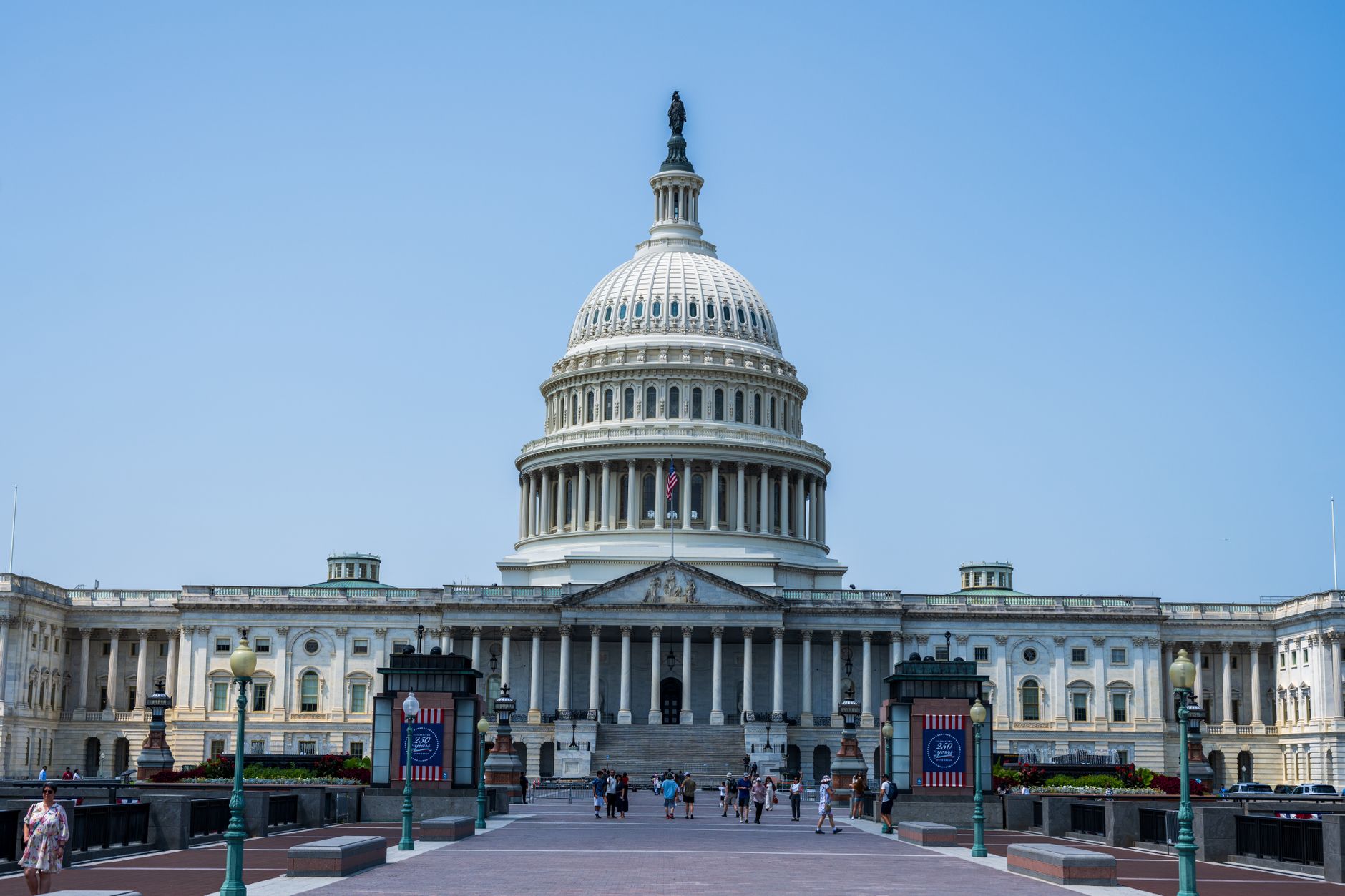
On November 3, 2026, the United States holds midterm elections that represent a defining moment for constitutional accountability and the strength of the nation's democratic framework. While the primary function of these elections is to determine control of the House of Representatives and the Senate, the broader implications involve the capacity of American institutions to maintain their independence when faced with significant presidential pressure.
The current political environment has seen a series of clashes regarding electoral procedures, with the administration seeking to implement changes it claims are necessary for security. However, these initiatives have faced substantial resistance within the judiciary. According to a review by the Brennan Center for Justice released on October 20, 2026, at least 34 federal district court decisions have either temporarily or permanently blocked administration-led initiatives concerning voting regulations and demands for registration data. These rulings originated from judges appointed by various presidents, including Donald Trump himself, underscoring the role of the courts as a constitutional safeguard.
One notable instance of this judicial scrutiny occurred on October 26, when a federal appeals court denied a request to set aside roughly 20,000 ballots in California that the Justice Department suggested might have been cast by noncitizens. The court determined that the lower tribunal had not received an adequate opportunity to assess the government's arguments. While the administration maintains that its efforts are aimed at protecting the integrity of elections, critics and legal observers emphasize that there is a stark difference between investigating proven misconduct and restricting eligible voters based on unverified allegations.
The composition of the incoming Congress remains the central focus of the midterm contest. Republicans currently hold narrow majorities in both legislative chambers, meaning control remains highly competitive. Should Democrats secure a majority in the House, they would gain significant tools for oversight, including the power to subpoena executive branch officials and launch formal investigations into administration policies, ranging from immigration enforcement to federal expenditure and the implementation of executive orders.
However, the transition of legislative power does not guarantee immediate policy shifts. While congressional investigations can expose misconduct, they often trigger lengthy legal battles, and the president retains significant executive authority and veto power. The central question remains whether Congress will prioritize its constitutional duty to provide a check on the executive branch, or if partisan loyalties will undermine the functional balance of government powers.
The post-election period is viewed by many as the most consequential phase of the 2026 cycle. With the precedent of the 2020 election, where the results were challenged through unsubstantiated fraud claims and pressure on state-level officials, observers are closely watching how the administration will respond to the 2026 outcomes. The fear is not necessarily a singular, large-scale intervention, but rather a series of smaller, iterative confrontations—such as challenging ballot counts or casting doubt on standard administrative procedures—that could erode public confidence in the electoral process.
Ultimately, the resilience of the American electoral system depends on the consistent application of the law and the reliance on factual evidence rather than political rhetoric. As the nation awaits the results, the focus shifts to whether the electoral process can remain insulated from interference and if the outcomes will be accepted based on the rule of law, regardless of which party stands to benefit.








Comments