


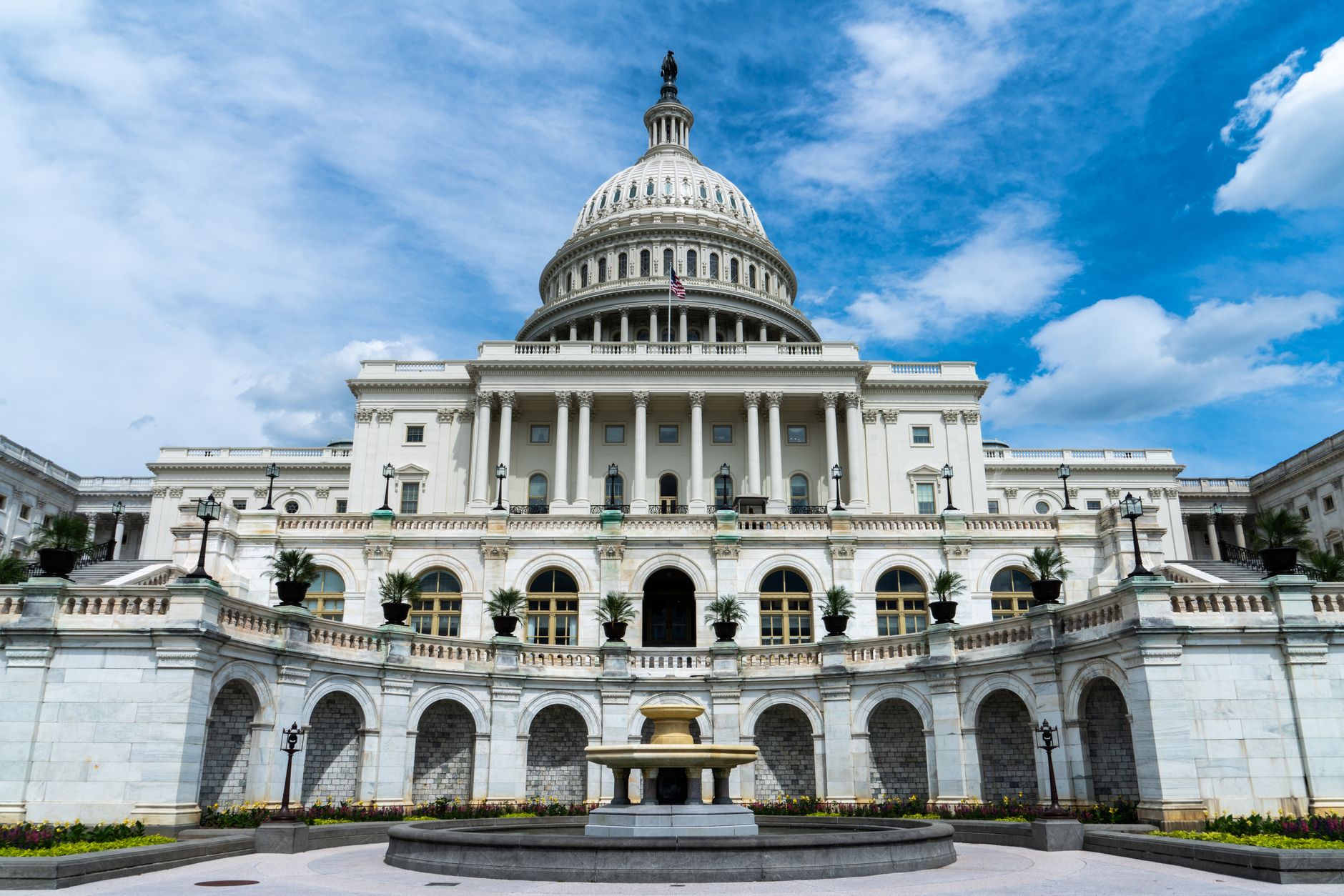
Voters across the United States are participating in the 2026 midterm elections on Tuesday, an event that carries significant weight for global political and economic dynamics. These elections, held midway through a president’s four-year term, determine which party will control the two chambers of Congress—the House of Representatives and the Senate. While President Donald Trump will remain in the White House regardless of the outcome, the results will dictate his administration's ability to pass federal legislation and face potential congressional oversight.
Current polling and expert analysis suggest a challenging environment for the Republican Party, which has held control over both houses. Observers note that President Trump’s approval ratings, combined with dissatisfaction regarding tariff policies and elevated fuel costs, may lead to substantial losses for his party. A Democratic victory in the House of Representatives would grant the party control over legislative committees and investigative powers, allowing them to summon administration officials for hearings. If the Democrats secure both chambers, they would exert significantly greater influence over government spending and presidential appointments.
For investors on Dalal Street, the midterms serve as a critical point of interest amid an already volatile year. Indian markets have faced headwinds throughout 2026, including persistent foreign institutional investor outflows, rising bond yields, and tariff-related uncertainty, which have dragged the Sensex and Nifty down by as much as 12 percent. Analysts at Emkay Research suggest that while the direct market impact might be limited, the geopolitical implications regarding oil prices and trade frictions remain significant for India’s economy.
Emkay Research has identified three primary scenarios regarding the election outcome. The first, which the firm assigns a 60 percent probability, is a Democratic win in both the House and the Senate. In this scenario, analysts anticipate increased scrutiny of the current tariff structures, though they note that existing policies may remain largely unaffected. Regarding immigration, the report suggests that funding for Immigration and Customs Enforcement could be constrained, potentially accompanied by legislative efforts to reduce barriers for skilled workers. However, in terms of foreign policy, the analysts warn that Trump might shift his focus toward executive-led actions, risking an escalation in international conflicts and higher oil prices.
The second scenario, with an estimated 30 percent probability, involves the Democrats taking the House while Republicans retain control of the Senate. In this arrangement, analysts expect tariffs to remain mostly unchanged. While the House could provide some oversight to push back against immigration enforcement measures, there would be fewer legislative constraints on President Trump’s foreign policy agenda. Consequently, the risk of conflict escalation and subsequent inflationary pressure on global oil prices remains a persistent factor for emerging markets like India.
The final scenario, estimated at a 10 percent probability, assumes that the Republican Party manages to retain control over both the House and the Senate. Regardless of the legislative composition, market experts emphasize that the broader economic context, particularly the conflict involving Iran, continues to weigh on India’s balance of payments and foreign exchange stability. Because policies concerning tariffs, deregulation, and immigration fall heavily under executive authority, the administration’s core economic agenda is expected to continue regardless of which party gains ground in the legislative branch.
Ultimately, the midterm results will provide a clear measure of the American public's sentiment regarding the administration’s performance. While the political maneuvering in Washington commands global attention, Indian investors remain focused on how the outcomes influence long-term trade relations and the stability of global energy prices. As the electoral process concludes, market participants will be watching for signals on whether the shifting balance of power will temper or accelerate the current executive-led economic strategies.








Comments