


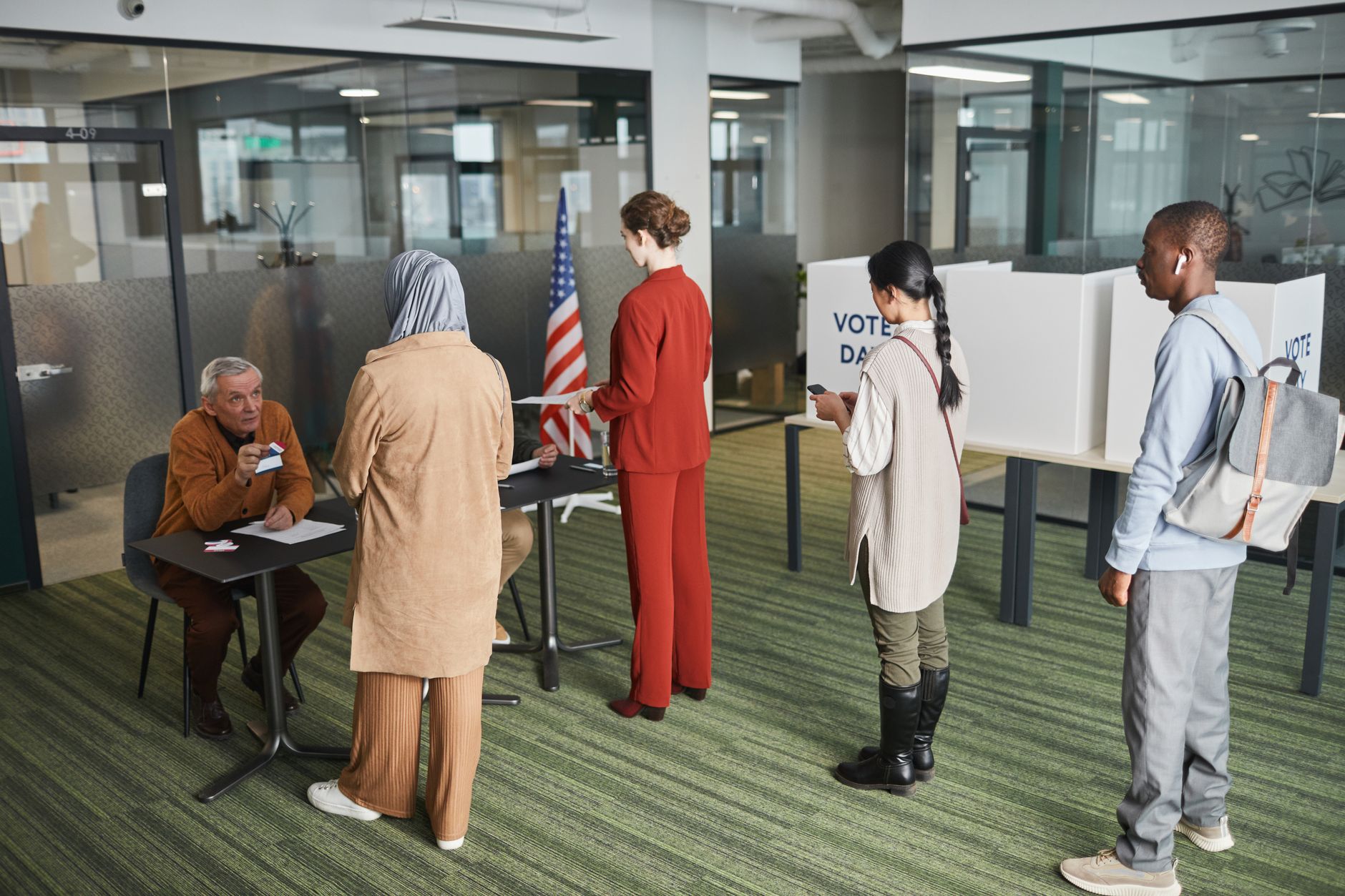
More than 230 million eligible voters across the United States are heading to the polls this Tuesday to determine the future composition of Congress. The 2026 midterm elections are set to decide the balance of power in Washington, with all 435 seats in the House of Representatives and 35 of the 100 Senate seats currently up for contest. Additionally, voters in 36 states are casting ballots to elect their governors, a significant shift that will shape local and national policy for the coming years.
Voting procedures and schedules are decentralized, meaning specific opening and closing times are determined by individual states. The electoral process begins in Vermont, where the first polls are scheduled to open at 5:00 am (10:00 GMT). Other states follow in quick succession, with New Jersey, Virginia, Connecticut, and Kentucky opening at 6:00 am (11:00 GMT). Voters in Georgia, Florida, Pennsylvania, and New York will see polling stations open between 6:00 am and 7:00 am, while North Carolina and Ohio commence voting at 6:30 am (11:30 GMT). Michigan is scheduled to open its polls at 7:00 am (12:00 GMT).
As the day progresses, polls will close in a staggered sequence across the country. The first closures occur at 6:00 pm (23:00 GMT) in Indiana and Kentucky. The process continues throughout the evening, with Kansas polls closing at 7:00 pm (01:00 GMT Wednesday) and Michigan and Iowa concluding voting at 8:00 pm (01:00 and 02:00 GMT respectively). Alaska is expected to be the final state to wrap up voting, with polls closing at approximately 1:00 am Eastern Time (06:00 GMT) on Wednesday.
While election results may begin to filter in on Tuesday evening as polls close, officials and analysts caution that these preliminary numbers do not guarantee an immediate outcome. News organizations, such as the Associated Press, perform extensive analysis before officially calling any race. Because the American voting system allows for mail-in, early, and in-person ballots, the final tallying process is often complex. Provisional ballots and mail-in votes are frequently counted after election night, meaning it could take several days or even weeks for some results to be finalized.
The stakes for party control are high. Senate Democrats are currently looking for a net gain of four seats to secure a majority, while House Democrats require three seats to regain control. Observers are keeping a close watch on several high-profile races, including the Senate contest in Georgia between incumbent Jon Ossoff and Republican challenger Mike Collins. In Florida, Democrat Angie Nixon is challenging Republican Senator Ashley Moody, while Maine features a contest between Senator Susan Collins and Democrat Troy Jackson.
Other critical races include the battle in Michigan between Abdul El-Sayed and Mike Rogers, which gained attention following a high-profile endorsement of Rogers by Representative Haley Stevens. In New Hampshire, Representative Chris Pappas is facing former senator John Sununu, and North Carolina voters are deciding between Roy Cooper and Michael Whatley. With the current Republican hold on both chambers of Congress at risk, these results will determine the legislative landscape of the United States for the next term.







Comments