


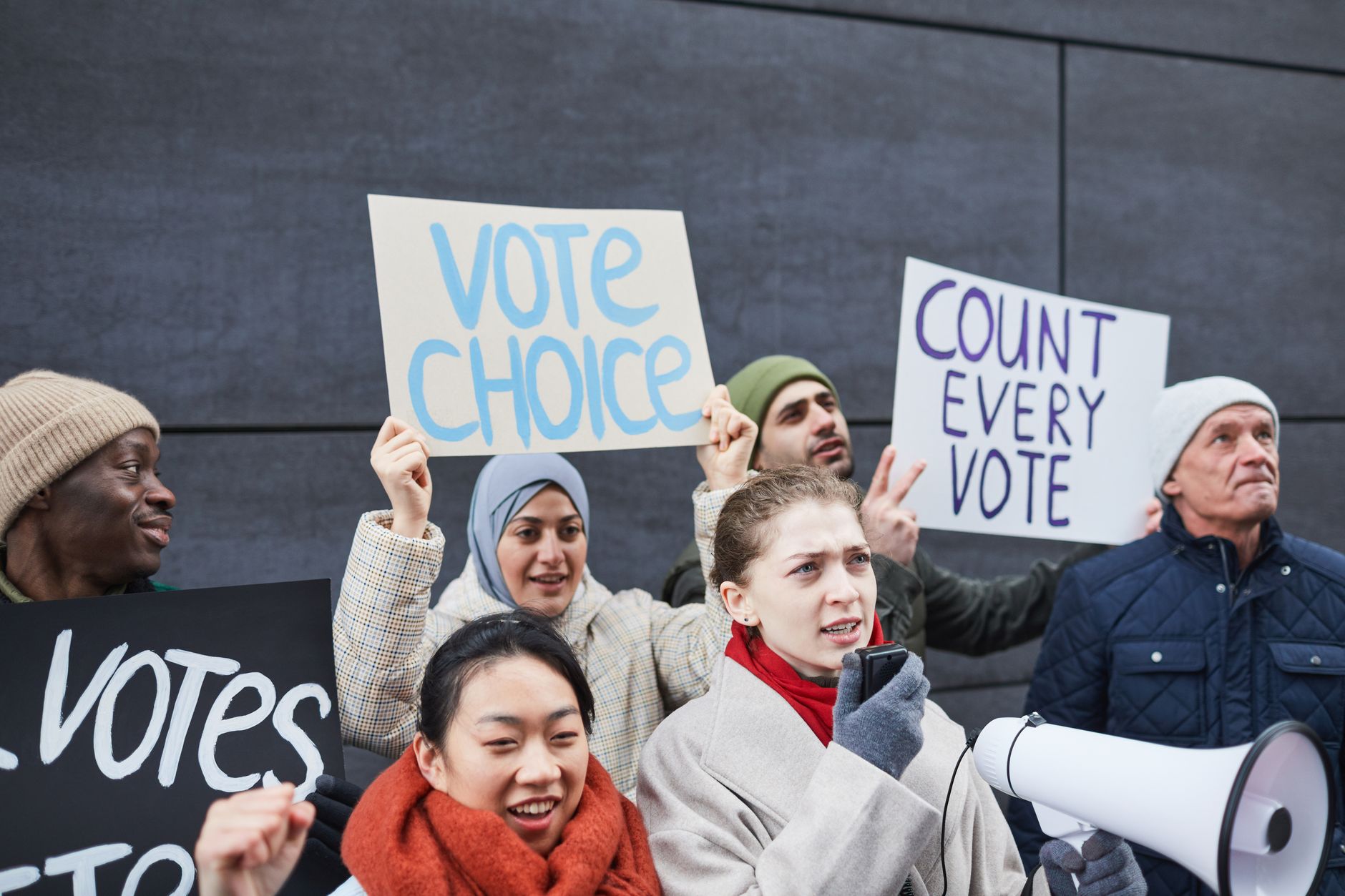
With five days remaining before the United States midterm elections, the political landscape remains sharply divided as both major parties intensify their efforts to secure control of Congress. Democrats currently lead Republicans in national polling by 51.4 percent to 43.2 percent, marking a margin of 8.2 percentage points according to the RealClearPolling average. Despite this national advantage, the path to a legislative majority remains complex, as individual state races, particularly in the Senate, present a different set of challenges.
The current composition of the Senate, where Republicans hold 53 of the 100 seats, serves as the primary hurdle for the Democratic Party. To flip control of the upper chamber, Democrats require a net gain of four seats. Even if the party successfully holds its current positions and secures victories in states like North Carolina and Ohio, analysts suggest they would still face a deficit, leaving them two seats short of the 51 needed for a majority. Consequently, high-stakes races in Alaska and Texas are being viewed as critical, while Republicans continue to fight to defend their position in Michigan.
The competition in Michigan remains particularly tight. Recent polling data from a Mitchell Research survey for CBS Detroit indicates that Democrat Abdul El-Sayed leads Republican Mike Rogers by 51 percent to 44 percent, although other aggregators report a narrower gap. Democratic candidates are actively targeting young voters in the state, emphasizing the necessity of personal engagement. Representative Maxwell Frost noted the importance of direct conversations with voters to counter negative advertising, while Republican supporters have expressed a belief in a growing, youth-driven conservative movement.
Campaign activity has reached a fever pitch across the country. On Wednesday, President Donald Trump held a rally in Ohio to support Republican Senator Jon Husted, who is competing against former Democratic Senator Sherrod Brown. During the event, President Trump addressed campaign controversies, including his support for gubernatorial candidate Vivek Ramaswamy, and fielded interruptions from protesters regarding the late Jeffrey Epstein, stating he had barred the individual from his Mar-a-Lago club years ago.
Simultaneously, prominent political figures, including former President Barack Obama and Vice President JD Vance, have been traversing the country in states such as Georgia and North Carolina. The electoral intensity is being fueled by varying voter sentiments. While some citizens remain frustrated by the high cost of living, including rising fuel, rent, and mortgage prices, others view these midterms as a strategic "protest election." Democratic strategist Joel Rubin suggested that many voters are driven by a desire to place a legislative check on the current administration's power.
The stakes extend beyond the Senate floor, as the battle for the House of Representatives remains equally significant. Democrats are seeking a net gain of three seats to flip the chamber. Should they succeed, the party would gain the authority to challenge the administration's legislative agenda, initiate congressional investigations, and summon officials to provide testimony before committees. While the White House could potentially challenge such oversight efforts, a shift in House control would fundamentally alter the balance of power in Washington.
As the November 3rd deadline approaches, the rhetoric from both sides continues to polarize the electorate. Voters in states like Pennsylvania and Kentucky have expressed exhaustion with the current political climate, citing a lack of confidence in both parties' promises. As candidates make their final pitches to undecided voters, the outcome in key battleground states will ultimately determine which party gains the ability to shape federal policy in the coming years.








Comments