


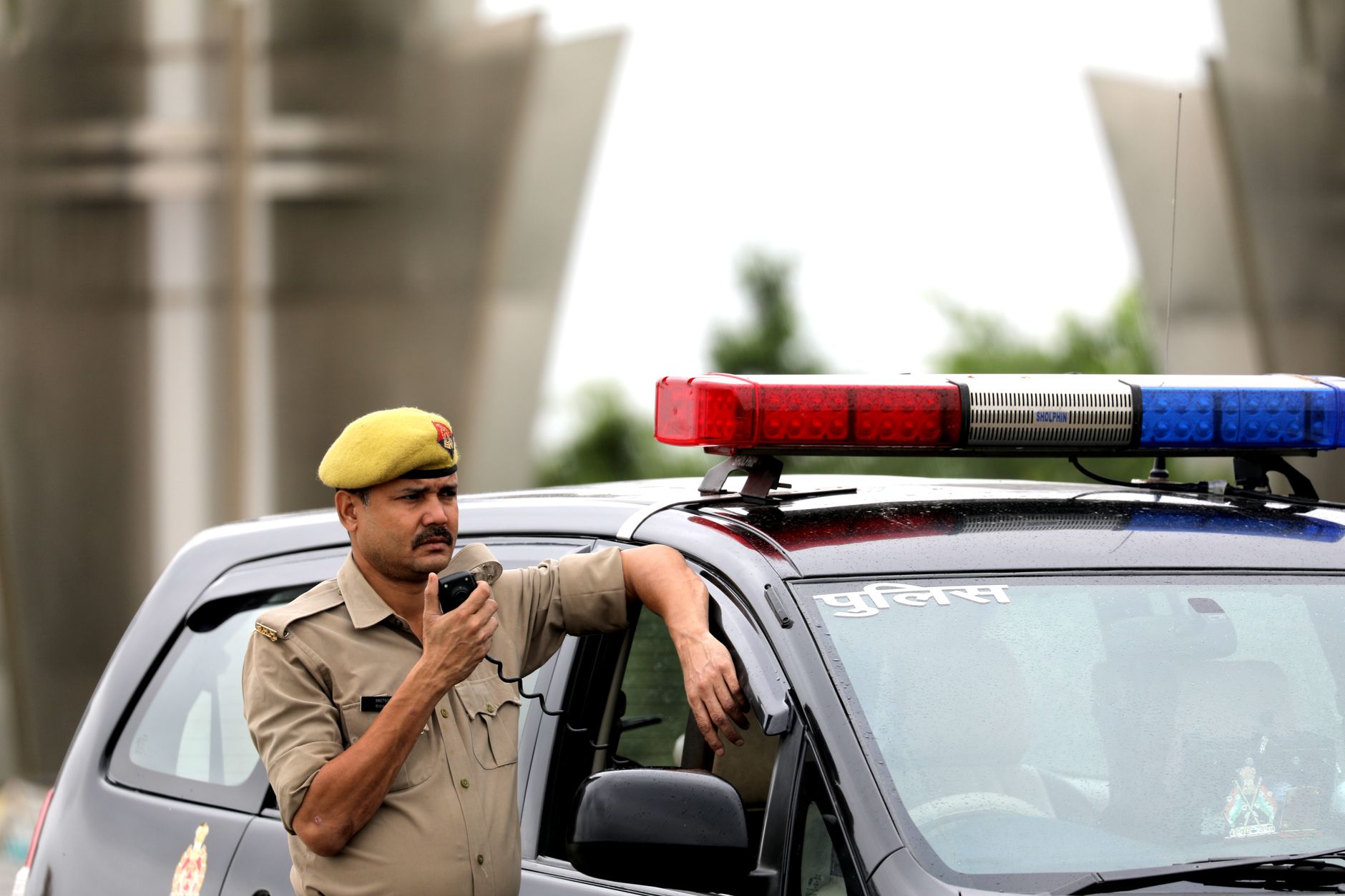
As winter approaches and concerns over air quality rise, Delhi is set to implement a series of strict measures designed to curb pollution. Effective November 1, these new restrictions, falling under the revised Graded Response Action Plan (GRAP), will impact vehicle entry, construction activities, and office operations across the national capital region. Authorities have urged motorists to check the emission status of their vehicles before traveling to avoid penalties and comply with traffic advisories.
The traffic restrictions are primarily aimed at reducing vehicular emissions, which are a major contributor to poor air quality. According to guidelines shared by the Delhi Traffic Police, vehicles that do not meet BS-VI emission standards or those lacking a valid Pollution Under Control Certificate (PUCC) will face entry limitations. Additionally, interstate buses that do not comply with the new rules will be restricted, and trucks not destined for Delhi are mandated to utilize the Peripheral Expressway. Certain categories of vehicles, including electric vehicles and CNG-powered transport, remain permitted to travel within the city limits under current rules.
The impact of these restrictions is significant, with reports indicating that over one million vehicles commuting from neighboring areas such as Gurugram, Faridabad, Noida, Greater Noida, and Ghaziabad could be affected by the government's decision. While the city experienced a brief reprieve from poor air quality due to recent rains, the administration is moving forward with these preventive steps to manage the expected seasonal spike in pollution levels.
Beyond vehicular movement, construction and demolition activities are coming under stricter scrutiny. From November 1 through January 31, all outdoor civil work that generates dust will be prohibited, though essential public infrastructure projects are exempt. While specific tasks like plumbing, electrical work, and indoor finishing are permitted, they must strictly adhere to dust-control guidelines. A more stringent total ban, which will encompass even indoor construction, is scheduled to be enforced from December 20 to January 20.
Commuters and residents will also face economic changes as the Delhi government has announced a hike in parking fees. To discourage the use of private vehicles and promote public transport, parking charges at authorized sites will be doubled from November 1 to February 28. However, facilities managed by the Delhi Metro Rail Corporation have been granted an exemption from this increase.
Operational schedules for various offices are also being adjusted to reduce traffic congestion during peak hours. Municipal Corporation of Delhi offices will shift their working hours to 8:30 am to 5:00 pm, while Delhi government offices are set to operate from 10:00 am to 6:30 pm. Furthermore, both public and private sector organizations are required to limit on-site attendance to 50 percent of their staff, with the remainder of the workforce expected to operate from home through January 31.
These measures are part of the broader GRAP framework, which is triggered when the Air Quality Index (AQI) enters the 'poor' category, defined as a range between 201 and 300. The Commission for Air Quality Management (CAQM) oversees the implementation of these protocols. By focusing on sources such as road dust, vehicle exhaust, and waste burning, the government aims to mitigate the environmental challenges that traditionally plague the capital during the winter season.








Comments