


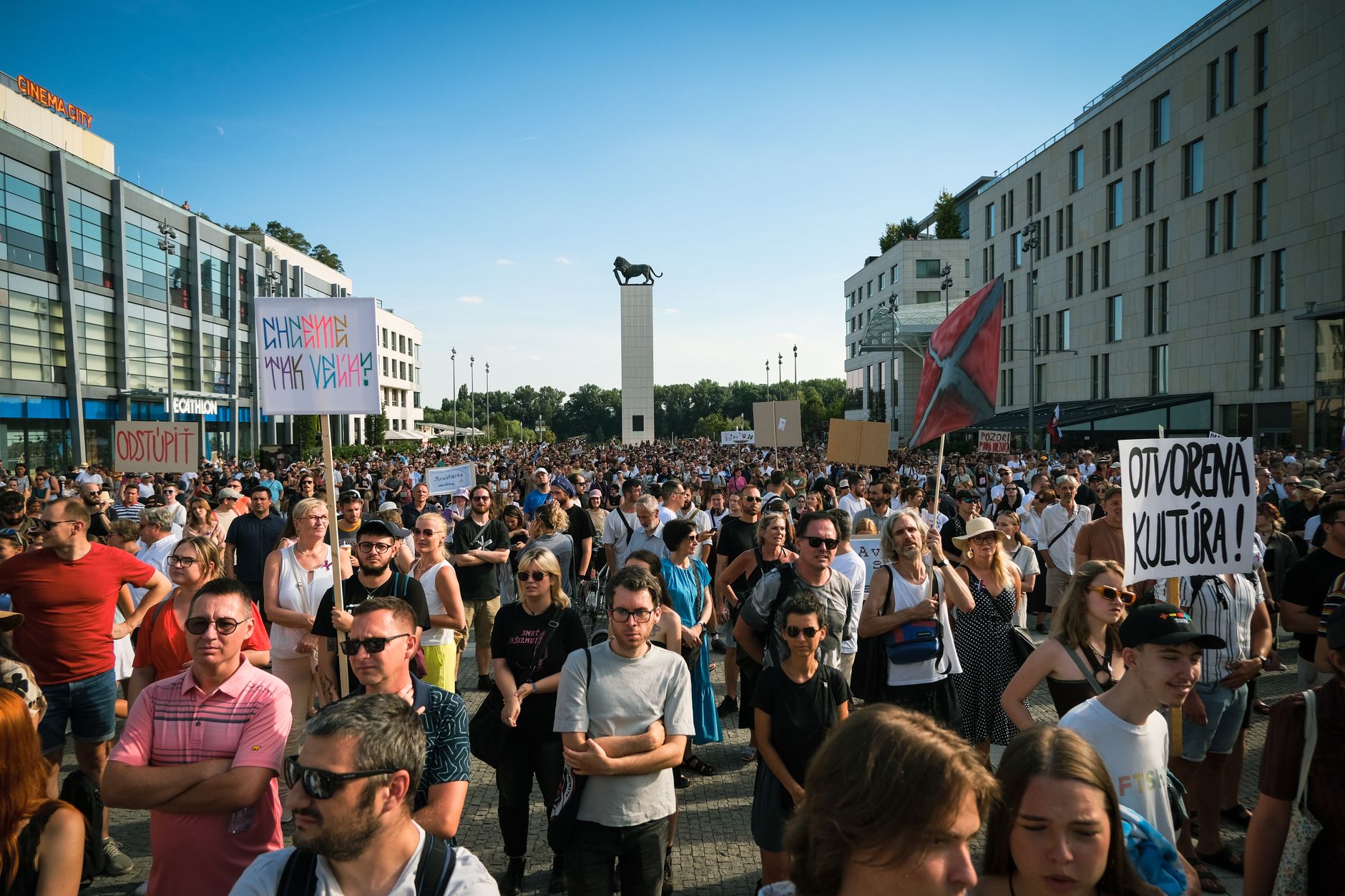
A wave of demonstrations and civil unrest has swept across Europe, as members of Generation Z—those born between 1997 and 2012—take to the streets to express their collective frustration with the prevailing socio-economic climate. Spanning from the luxury districts of Italy to public squares in Portugal, at least six European nations have witnessed significant youth-led protests in recent weeks. Participants are voicing deep-seated concerns regarding an impending cost-of-living crisis, stagnant wages, and the lack of viable career opportunities for the younger demographic.
The protests appear to be driven by a widespread feeling among young adults that their grievances have gone unaddressed by the current political leadership. For many, the movement represents an urgent, spontaneous reaction to what they perceive as a broken system. In Milan, student Chiara described the unrest as an "explosion of rage" that has enabled collective action, noting that the political class has arguably stolen her generation’s ability to dream of a stable future. The sentiment among many participants is that they are being forced into underpaid roles that do not align with their educational qualifications, while being priced out of the housing market in their home cities.
Data supports the urgency of these claims. According to a European Union survey, 40% of individuals aged 16 to 30 consider the rising cost of living to be a primary concern. Furthermore, statistics from 2025 indicate that the demographic most at risk of poverty or social exclusion within the EU are young adults aged 18 to 24, with a risk rate of 26.3%. In contrast, the risk for those aged 65 or older stands significantly lower at 18.8%, highlighting the stark economic divide between generations.
While many of these demonstrations began as peaceful calls for policy reform, several instances have escalated into violent clashes. In France, widespread looting of shops was reported during demonstrations held on October 17. Similar incidents of unrest and looting have been observed in major Italian cities. Meanwhile, in Albania, the nature of the protest took a more targeted turn, as demonstrators burned down government buildings while demanding the resignation of Prime Minister Edi Rama over allegations of corruption.
The intensity of the movement is perhaps best captured by the rhetoric used by participants. Maya Gourdel, a 19-year-old student based in Brussels, has adopted the defiant slogan, "If we burn, you burn with us!"—a reference derived from the 2012 film Hunger Games. For protesters like Gourdel and Chiara, this phrase encapsulates the desperation of a generation that feels ignored and pushed to the brink of systemic exhaustion.
As these movements continue to gain momentum, they place significant pressure on European governments to reconcile their current economic policies with the needs of the youth. The protesters have expressed that they see no alternative but to bring their demands directly to the seat of power, highlighting a deep disconnect between the ruling political class and the aspirations of young citizens. With protests persisting across various borders, the situation remains fluid, as authorities attempt to manage the dual challenges of public order and the deepening economic discontent of a generation that feels its future is at stake.








Comments