


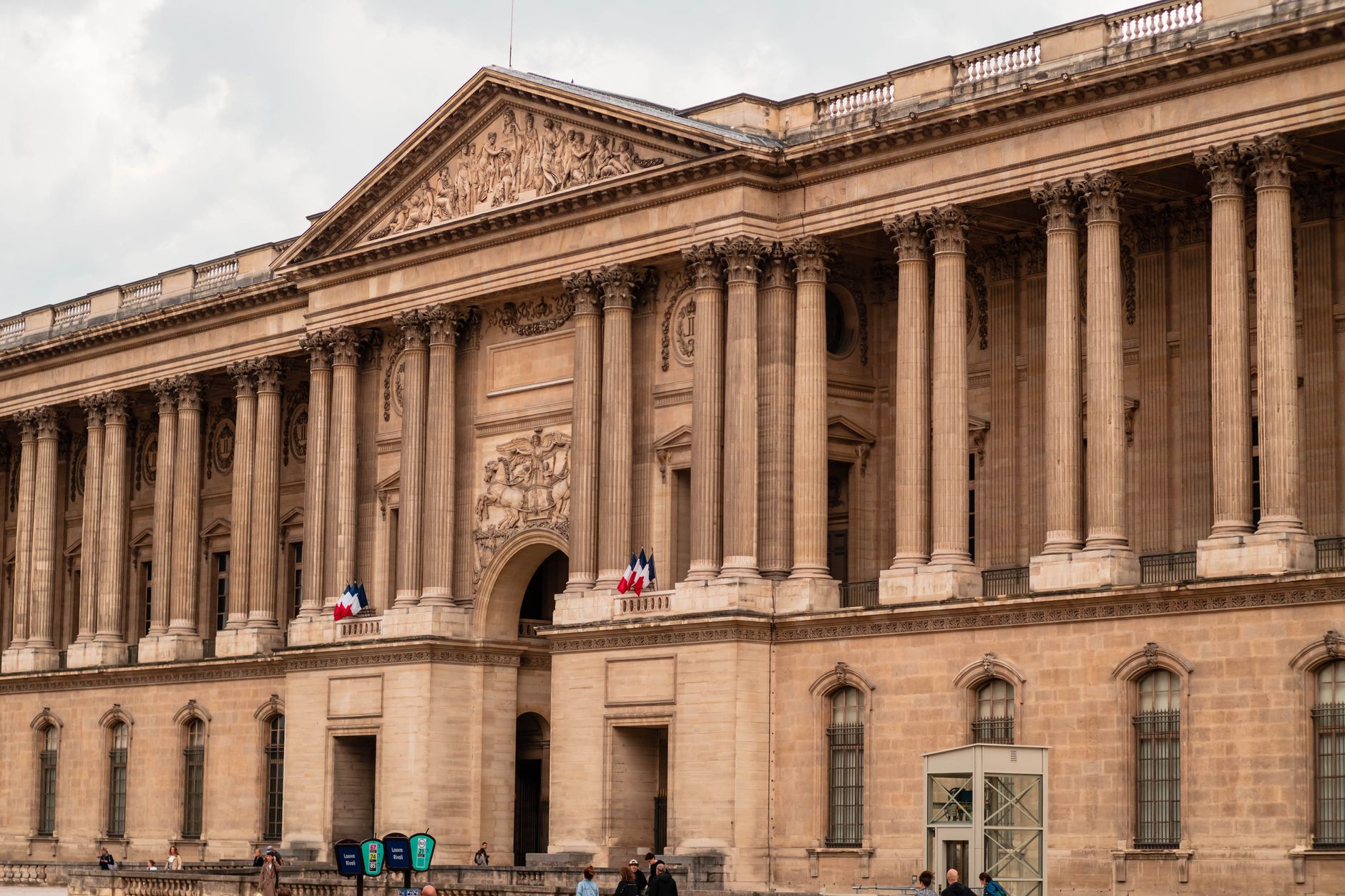
Some of the world’s most celebrated cultural institutions in Paris, including the Louvre, were forced to close their doors this week as widespread protests swept through the French capital. The closures come at the height of a series of nationwide demonstrations that have gripped the country for the past seven days, highlighting deep-seated public anger over the rising cost of living and the perceived deterioration of essential public services.
Museum officials confirmed the shutdowns were a necessary precaution to ensure the safety of staff and visitors amidst the volatile environment. While the Louvre typically serves as a global beacon for art enthusiasts, its vast halls remained empty as security teams focused on maintaining the perimeter and protecting the priceless collections housed within. The decision to halt operations reflects the broader tension currently permeating French society, where economic anxieties have transformed into visible street-level unrest.
The protests, which have been unfolding across several major cities, were sparked by mounting inflation and stagnant wage growth. Demonstrators have taken to the streets to demand urgent government intervention, arguing that the current economic trajectory is leaving average citizens behind. The grievances extend beyond household finances, with many protestors highlighting a lack of investment in education, healthcare, and public infrastructure. For many participants, these demonstrations are a final resort in a long-standing struggle to address the erosion of their quality of life.
Tensions reached a boiling point late last week, leading to direct confrontations between protestors and security forces. In several instances, the clashes turned physical as law enforcement attempted to disperse crowds using various crowd-control measures. While the authorities maintained that they were acting to restore order and protect public property, human rights observers have noted the intensity of the friction between the state and the civilian population. Reports from the ground indicate that the atmosphere in the capital remains highly charged, with further demonstrations expected in the coming days.
The cultural sector has not been the only part of public life disrupted by these events. Public transportation networks have faced intermittent delays, and various municipal services have been scaled back to accommodate the security situation. As the government attempts to address the underlying economic grievances, the challenge remains to find a balance between restoring social stability and engaging with the substantive issues raised by the public. The political pressure on the administration is expected to increase if these demonstrations continue to disrupt the normal functioning of major metropolitan hubs.
Looking ahead, the situation remains fluid. While museum directors and municipal authorities hope for a swift return to normalcy, much depends on the ongoing dialogue between protest organizers and government representatives. There is significant concern among business owners and tourism boards that a prolonged period of instability could impact the country's economic standing, particularly within the hospitality and travel sectors that rely heavily on consistent tourist traffic. The sight of the Louvre and other key landmarks being barred from public entry serves as a stark reminder of the reach of the current social crisis.
As the weekend approaches, the focus for many in Paris is on how the authorities will handle potential new rounds of gathering. The events of the past week have underscored a growing divide in French society, leaving many to wonder if the current legislative efforts will be sufficient to quell the public discontent or if the cycle of protest will persist into the coming month.







Comments