


Tehran has formally urged the United States to accept its latest proposal aimed at reopening the Strait of Hormuz, a critical maritime chokepoint. The proposal, which was initially presented by Iranian officials in mid-September, follows the collapse of an interim ceasefire that had previously offered a pathway to stabilizing the volatile region.
While both sides have engaged in a back-and-forth exchange regarding the terms of access, the dialogue appears to have hit a significant hurdle. Iranian authorities acknowledged that they received a formal response from Washington regarding their suggestions; however, Iran’s top security official indicated last week that the negotiation process has effectively stalled. According to Tehran, the delay is primarily due to the failure of the American side to fully address the seven distinct conditions deemed necessary by Iran for the reopening of the strait.
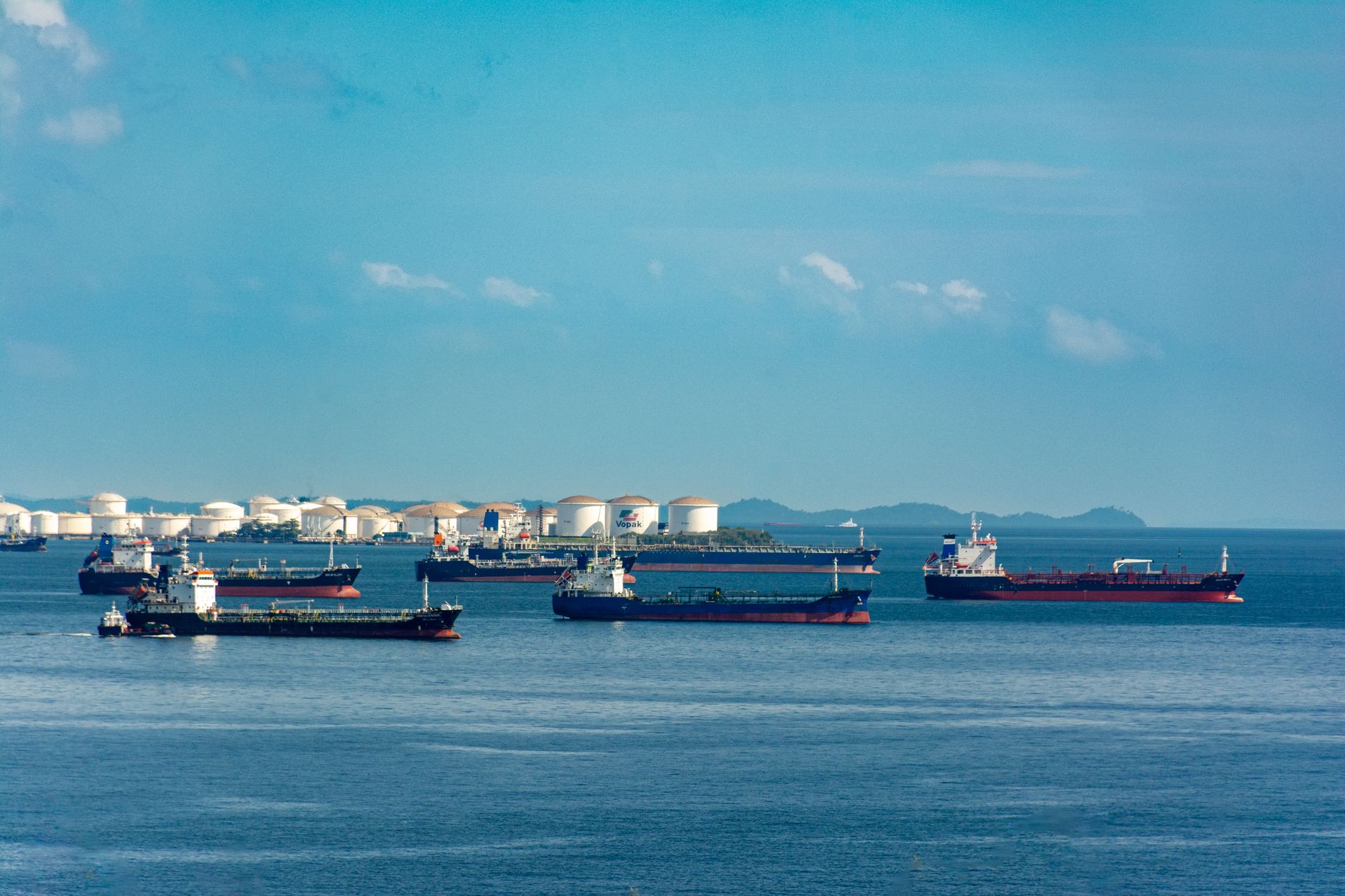
The Strait of Hormuz remains one of the world's most significant conduits for global energy supplies, with a substantial portion of the world's oil transiting through the narrow passage. Any disruption or prolonged closure of the route carries significant implications for global energy markets and regional security. The current impasse highlights the delicate nature of the communication between the two nations, which have historically navigated through cycles of confrontation and uneasy diplomacy.
Background information on the dispute points to a complicated web of maritime security and regional influence. The collapse of the interim ceasefire, which served as a temporary measure to prevent escalation, has forced both parties back to the negotiating table with entrenched positions. Analysts note that the seven conditions specified by Iran appear to be non-negotiable requirements from the perspective of its security apparatus, whereas the American response has seemingly fallen short of providing the necessary assurances or concessions required to bridge the divide.
Looking ahead, the international community remains attentive to how the situation in the Persian Gulf will evolve. The reliance on diplomatic channels to resolve the reopening of the strait indicates that neither party is currently seeking an immediate military escalation, preferring instead to navigate the impasse through official communication. However, the lack of progress on the seven stated conditions suggests that a breakthrough remains elusive in the short term.
As it stands, the ball is firmly back in the court of the United States to evaluate the Iranian proposal once more and determine whether further concessions or clarifications can be provided. Whether the two nations will find a middle ground remains unclear, as both sides appear to be maintaining rigid stances on their respective strategic objectives. For now, the global shipping industry and international policymakers continue to monitor the status of the Strait of Hormuz, awaiting further developments that could signal a resumption of normal maritime activity or a continuation of the current stalemate.
The complexity of the situation is compounded by the broader geopolitical climate in the Middle East, where local tensions often intersect with international interests. With negotiations currently stalled, the focus shifts to whether diplomatic pressure from third-party intermediaries might be applied to move the process forward. Until the stated conditions are fully addressed, the status of the waterway is expected to remain a significant point of contention in international relations.








Comments