


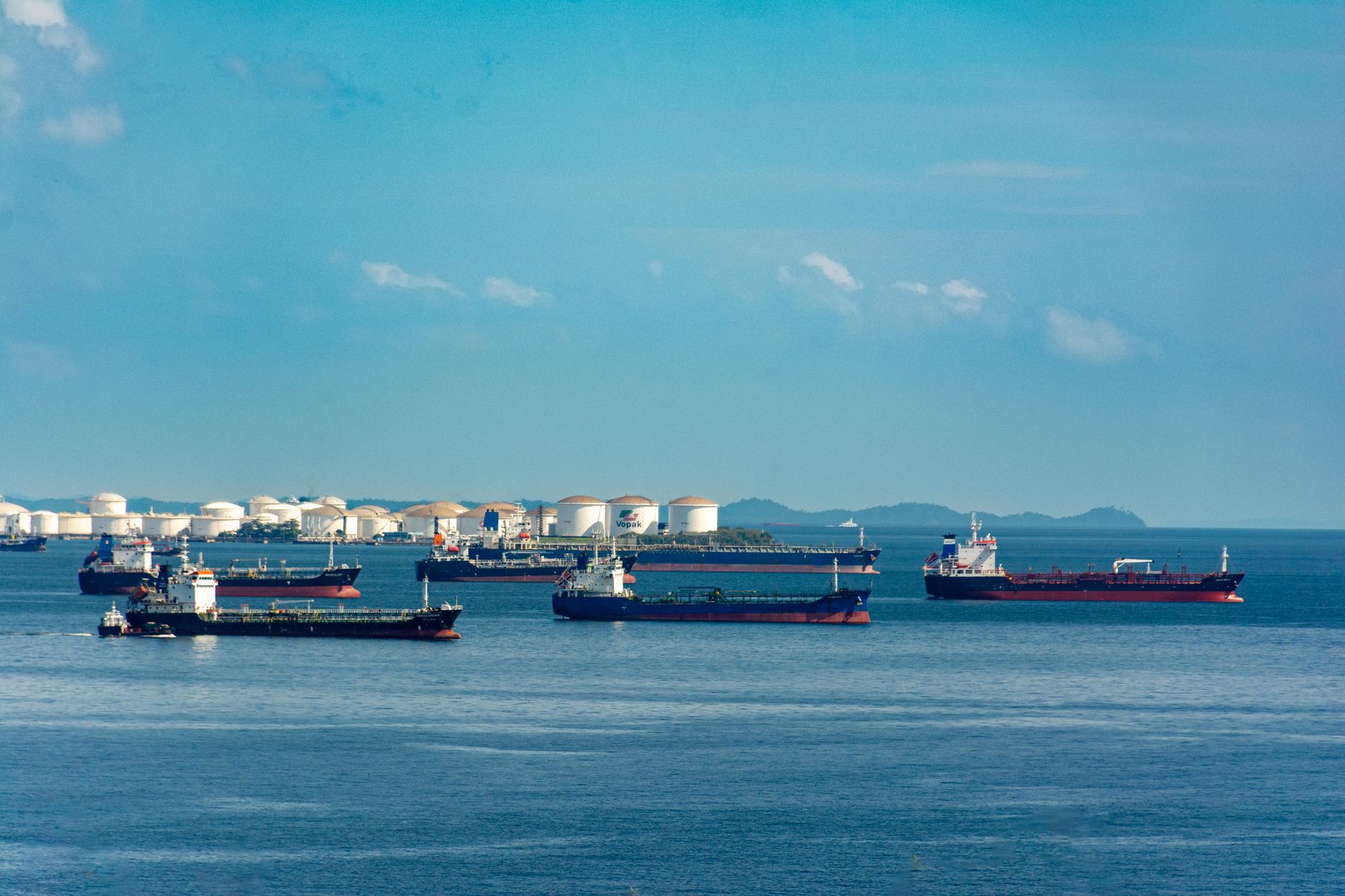
Two commercial vessels, identified as a tanker and a container ship, were struck by projectiles of unknown origin in the Strait of Hormuz on Tuesday. The United Kingdom Maritime Trade Operations (UKMTO), which monitors security in the region, confirmed the strikes but provided limited details regarding the condition of the vessels or the crew members on board. As of Tuesday, investigations into the precise nature of the projectiles and the identities of those responsible remain ongoing.
The Strait of Hormuz serves as one of the world's most critical maritime corridors for energy and commercial shipping. Since the onset of the ongoing Middle East war in late February—following a series of strikes involving Iran, the United States, and Israel—the waterway has become a flashpoint for military and naval activity. Iran has maintained a persistent blockade of the strait, asserting its control over the passage and frequently targeting vessels that attempt to navigate the area without prior authorization from Tehran.
This latest incident underscores the intensifying volatility in the region as naval powers continue to vie for control of the strategic passage. The blockade imposed by Iranian forces has significantly disrupted international shipping routes, forcing commercial entities to grapple with heightened risks when transiting the area. In retaliation to Iran's actions and the broader regional instability, Washington has implemented its own naval blockade targeting Iranian ports, effectively escalating the maritime standoff between the two nations.
Maritime security experts have long expressed concern over the safety of civilian vessels operating in the Strait of Hormuz, noting that the presence of multiple naval forces increases the likelihood of accidental or intentional engagement. While the UKMTO has officially acknowledged the attacks, officials have yet to confirm whether there were any casualties or if the ships sustained significant structural damage. Communication remains constrained, and the maritime agency has urged vessels in the vicinity to maintain heightened vigilance.
The broader geopolitical context of the attacks traces back to the conflict ignited in late February. The retaliatory strikes by the United States and Israel against Tehran served as a catalyst for the current state of regional hostilities. Since then, the Strait of Hormuz has essentially functioned as a contested zone where maritime transit is subject to the political objectives of the belligerent parties. For international shipping companies, the corridor, which links the Persian Gulf to the Gulf of Oman and the Arabian Sea, has become increasingly hazardous.
As the investigation proceeds, the global shipping industry remains on high alert. The potential for further incidents in the region remains high, particularly as the military blockade of the strait continues to hinder the movement of goods. International observers are closely monitoring the situation to see if the attacks result in a shift in naval positioning or if the United States and its allies will offer further responses to secure the passage.
For now, the focus remains on the safety of the vessels involved and the technical assessment of the projectile impacts. The UKMTO continues to collect data from regional reports to build a clearer picture of the event. Whether this incident will lead to a new round of diplomatic negotiations or further military friction remains to be seen, though the situation reflects the ongoing, precarious nature of the maritime conflict in the Middle East.








Comments