


Experts raise concerns over Nandan Nilekani's exam reform proposal
Nandan Nilekani's plan to curb exam leaks faces scrutiny regarding academic standards and logistical implementation challenges
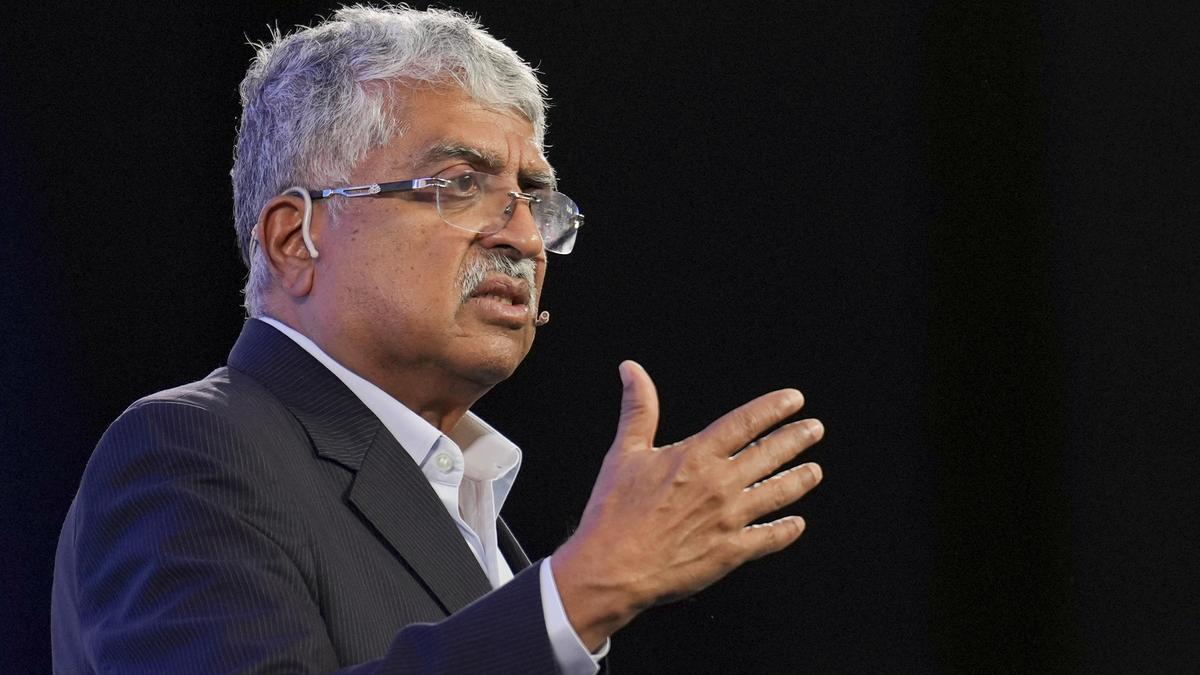
A recent proposal aimed at curbing the systemic issue of exam leaks in India has ignited a debate among academic circles and security experts. Nandan Nilekani, the co-founder of Infosys who leads the high-powered task force (HPTF) on examination reforms, recently suggested that the government move toward generating question papers at the very last minute from massive, pre-existing question banks. This strategy is intended to remove the economic incentive for criminal syndicates to steal or sell test papers before an exam takes place.Speaking at the Bloomberg New Economy Forum, Nilekani argued that the current reliance on static question papers creates a vulnerability that is frequently exploited. By moving to a model where papers are assembled just before an exam is administered, he suggested, the risk associated with physical printing, storage, and distribution would be significantly mitigated. In addition to this shift, Nilekani has recommended a broader expansion of computer-based testing (CBT) infrastructure across the country to modernize the examination process and enhance security.The proposal has been met with both interest and significant caution from those tasked with maintaining academic integrity. While some observers acknowledge that digitizing the process and utilizing expansive question banks could reduce traditional leak vectors, experts have highlighted substantial logistical and pedagogical challenges. Security analysts noted that while physical leaks might decrease, computer-based systems are not inherently immune to cyber threats and would require substantial, sustained investment in government-run examination centers to remain secure.The most pointed criticism has come from educators and those familiar with the technical aspects of question paper design. Teachers who have previously worked with the National Testing Agency (NTA) expressed deep concerns regarding whether an automated or last-minute selection process could truly replicate the nuance of a professionally curated exam. A primary concern is the “balancing” of a paper, which involves ensuring that every unit of a curriculum is represented according to its required weightage, while simultaneously maintaining a consistent difficulty level across all segments of the test.Experts pointed out that standardized exams are not merely collections of random questions; they are carefully crafted instruments that utilize metrics like the “discrimination index”—a measure of how effectively a question differentiates between high-performing and lower-performing candidates. They argue that generating a paper without meticulous, human-led review by subject specialists risks creating assessments that are incoherent or fail to properly evaluate student understanding, instead relying on rote recall.Furthermore, there is the risk of fragmentation. When question-writing duties are split among different specialists to populate a massive bank, the lack of an overarching, unified review process could lead to significant gaps in syllabus coverage or unnecessary duplication. Educators have warned that without a rigorous academic review layer, a computer-generated paper might fall short of the quality standards expected in high-stakes competitive examinations.The HPTF, which is currently deliberating on these reforms, faces the difficult task of balancing the urgent need to prevent malpractice with the equally critical mandate of providing fair and reliable assessments. As discussions continue, the consensus among academic stakeholders is that technological interventions must be supported by specialized academic oversight to ensure that the integrity of the examination system is not compromised in the pursuit of security.








Comments