


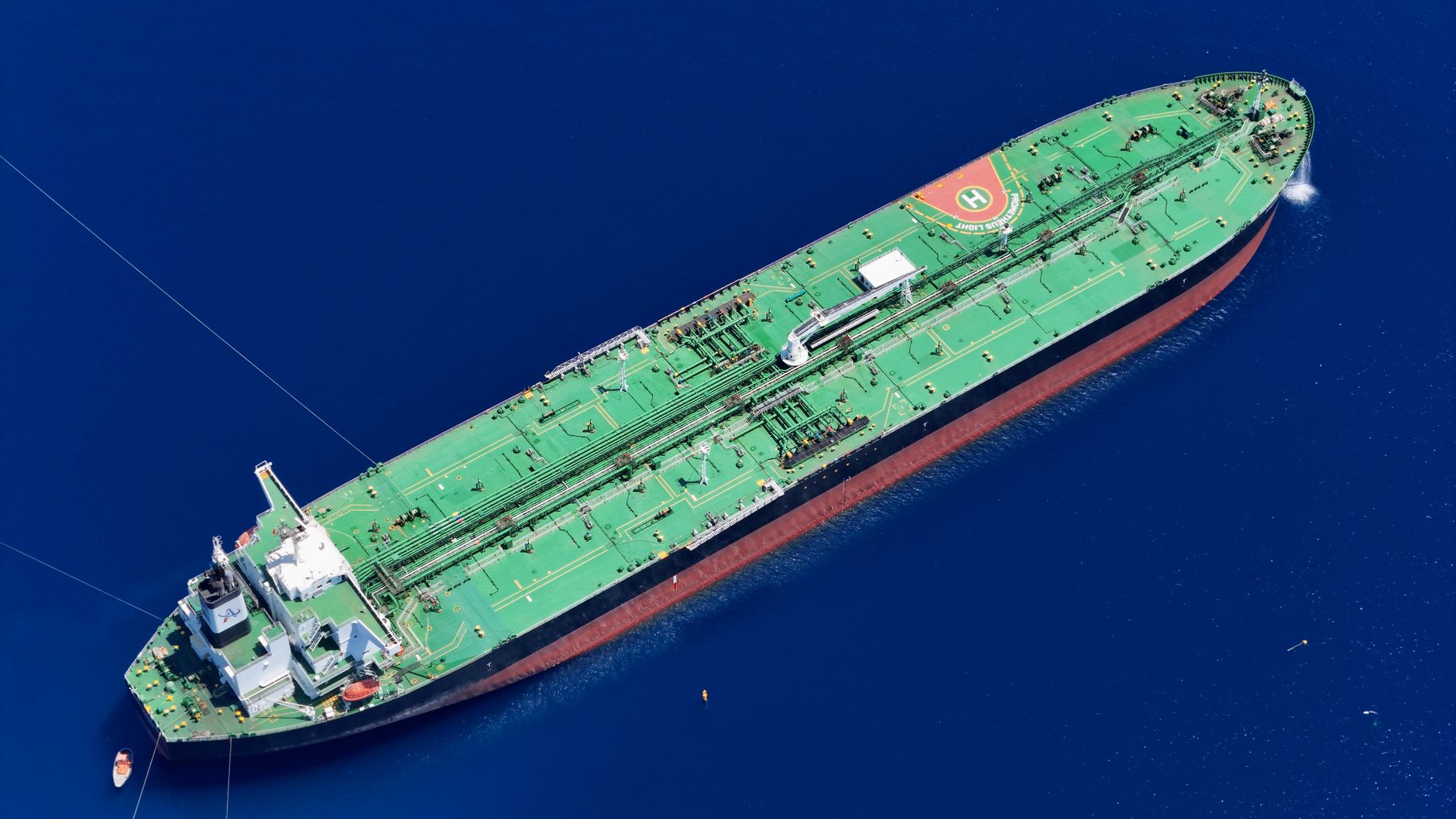
Iran’s Islamic Revolutionary Guard Corps (IRGC) announced on Friday that its forces struck a liquefied petroleum gas (LPG) carrier in the Strait of Hormuz. According to Iranian state media, the vessel, identified as the NV Sunshine and owned by NatWit, was targeted for attempting to navigate through what Tehran considers an illegal route south of the strait. The IRGC asserted that its forces have assumed control over the administration of the waterway, a move aligned with Tehran's ongoing efforts to regulate transit through the strategic corridor since the current Middle East conflict began in late February.
Simultaneously, maritime authorities reported a separate incident involving a projectile strike on a vessel near the coast of the United Arab Emirates. The United Kingdom Maritime Trade Operations (UKMTO) stated that a ship was hit approximately 13 nautical miles off Al Jazeera Al Hamra, resulting in a fire. The British security firm Vanguard identified the vessel as the Panama-flagged crude oil tanker GEM NO.2. As of Friday, the status of the crew and the extent of the damage remained unconfirmed, with authorities actively investigating the situation. It remains unclear if the strike on the NV Sunshine and the projectile attack on the GEM NO.2 are linked.
The Strait of Hormuz remains a critical and volatile energy corridor, as it provides the only maritime passage in and out of the Gulf. Prior to the onset of the war, the waterway facilitated the transport of roughly one-fifth of global oil and liquefied natural gas shipments. The region has become a flashpoint for international tensions, with both the United States and Iran implementing competing maritime strategies. While Iran attempts to enforce its own transit protocols, the United States has engaged in counter-blockade measures, heightening security risks for commercial vessels and causing continued instability for global energy supplies.







Comments