


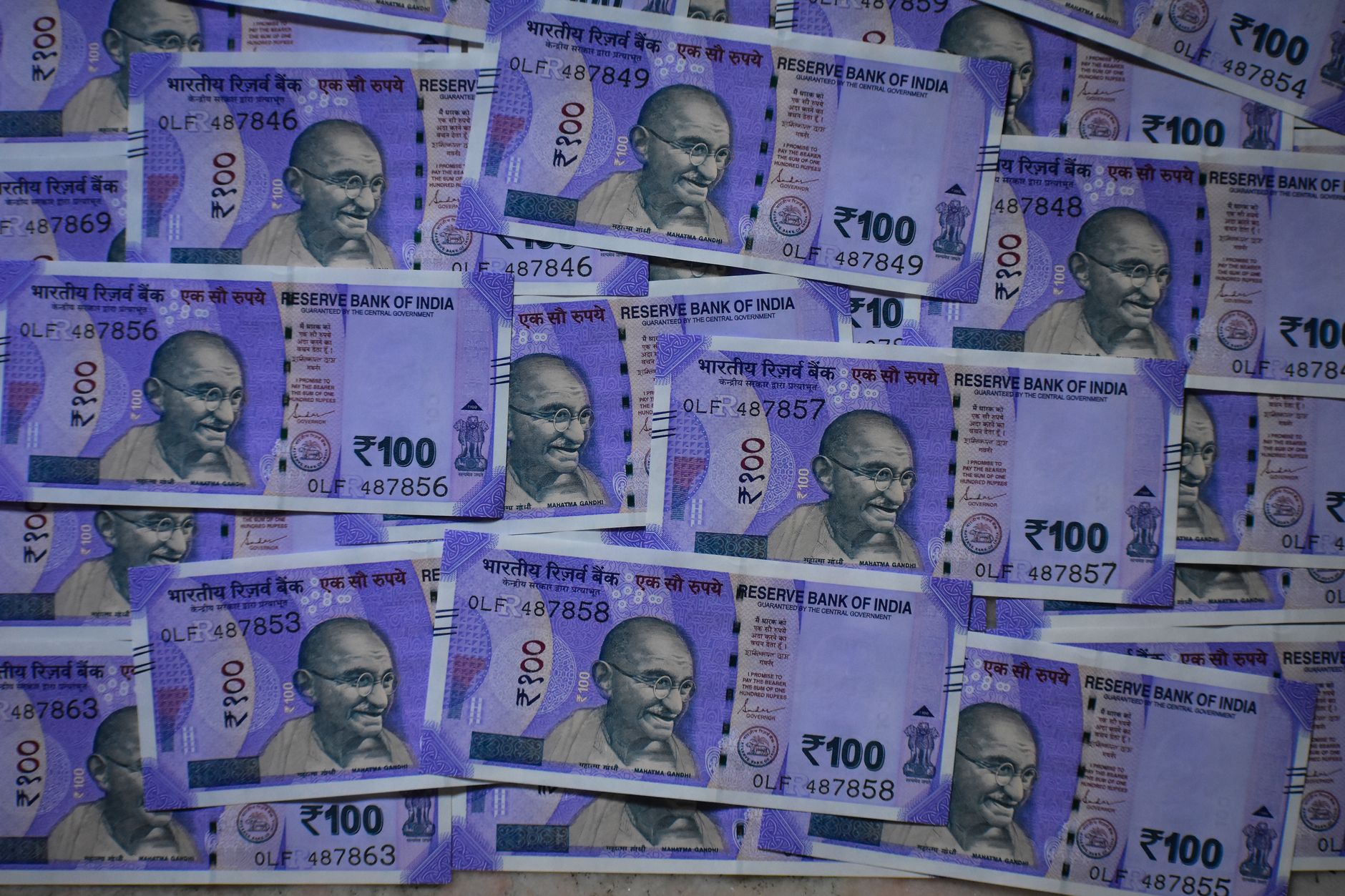
Andhra Pradesh Chief Minister N. Chandrababu Naidu has renewed his demand for a significant restructuring of India's currency system. In a press conference held in Amaravati on November 9, 2026, the Chief Minister advocated for the withdrawal of high-denomination banknotes, specifically calling for the discontinuation of ₹500, ₹1,000, and ₹2,000 denominations. He suggested that the economy should instead rely primarily on lower-value notes, such as ₹100 and ₹200, to facilitate a broader shift toward digital financial systems.
The proposal, which aims to alter the landscape of the Indian economy, is framed by the Chief Minister as a strategic move to address systemic financial issues. Naidu argued that restricting the availability of high-value physical cash would serve as a crucial deterrent against corruption. By reducing the physical volume of high-denomination currency in circulation, the administration hopes to create a more transparent financial environment where large-scale cash transactions become increasingly difficult to execute anonymously.
Beyond curbing general corruption, Naidu highlighted the potential impact of such a policy on the integrity of the electoral process. He emphasized that limiting high-value cash would specifically target the misuse of money during elections. By making it more difficult to hoard and transport large sums of cash, the move is intended to ensure that financial influence does not dictate electoral outcomes. This perspective aligns with ongoing national discussions regarding the necessity of reducing cash dependency to improve transparency in public life and political funding.
The Chief Minister further positioned the call for a currency overhaul as a catalyst for promoting digital payments across the country. As India continues to integrate technology into its banking and retail sectors, Naidu suggested that phasing out larger notes would naturally push the population toward digital transaction platforms. This transition is viewed as a way to formalize more sectors of the economy and streamline financial monitoring for authorities.
This is not the first time such measures have been debated in the context of the Indian economy, though the specific call to retain only ₹100 and ₹200 denominations represents a focused policy recommendation. While the proposal aims to target illicit financial flows, its implementation would require a significant shift in public behavior and the continued expansion of digital infrastructure to ensure that smaller transactions remain seamless for the general public.
As of now, the proposal remains a policy recommendation from the Andhra Pradesh Chief Minister directed toward the central government. The feasibility of such an overhaul, including the logistical challenges of replacing large volumes of existing currency, will likely become a subject of broader national discourse. The impact on daily economic life for the average citizen, particularly in regions with lower digital literacy or limited internet access, will be a key consideration for policymakers evaluating the merits of this approach.
Looking ahead, the response from the Centre regarding this suggestion remains to be seen. Any movement toward such a drastic currency reform would involve complex considerations regarding inflation, market liquidity, and the overall stability of the banking system. For now, the Chief Minister's statement serves as a prominent call for legislative and regulatory intervention to prioritize digital adoption and financial integrity.








Comments