


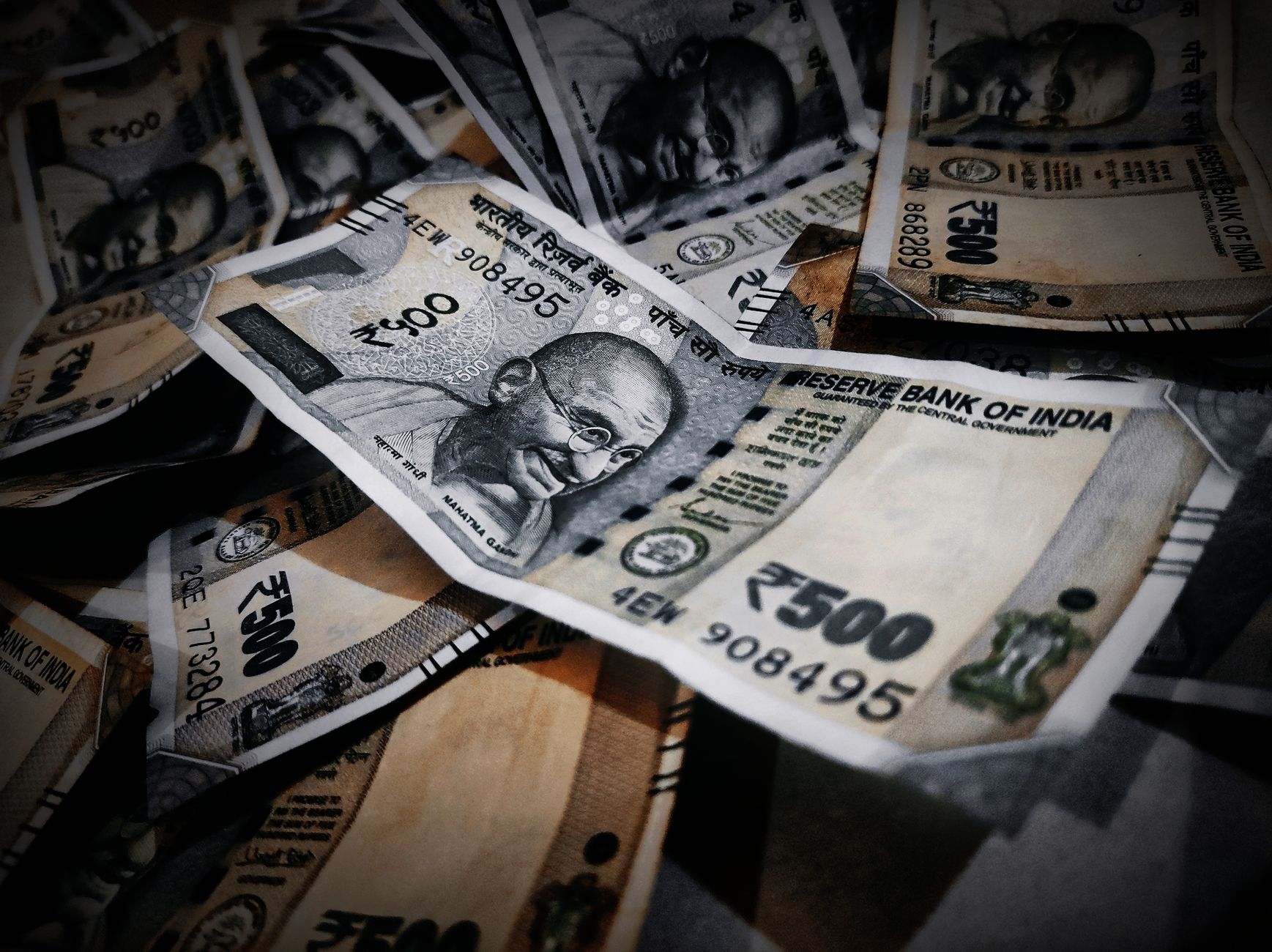
Andhra Pradesh Chief Minister N Chandrababu Naidu has renewed his call for the government to phase out high-value currency notes, specifically the Rs 500 denomination, as part of a broader strategy to curb corruption and promote digital financial transactions. Speaking at a press conference on Monday, the Telugu Desam Party (TDP) leader argued that limiting the circulation of large banknotes is a necessary step to reduce the influence of cash in corrupt activities. He suggested that only notes of Rs 100 and Rs 200 should remain in circulation.
Naidu stated that he had previously raised this proposal in a report on digital currency submitted to Prime Minister Narendra Modi. Emphasizing his commitment to the idea, he noted that he intends to continue pressing for the policy shift at the national level. According to the Chief Minister, the integration of technology into the economy is essential for wealth creation and poverty alleviation. He maintained his stance that "if technology is perfect, wealth creation and poverty alleviation are not difficult," underscoring his belief in a digital-first economic framework.
The proposal comes alongside a review of the recent local body election results in Andhra Pradesh, which Naidu highlighted as evidence of strong public support for the National Democratic Alliance (NDA). The Chief Minister claimed that the alliance successfully minimized the role of "money power" during these polls, reflecting a shift in how democratic processes are conducted in the state. He reported that the NDA secured 58.9 per cent of the combined vote in urban local body and Zilla Parishad elections, an increase of 3.6 percentage points compared to the 55.3 per cent the alliance achieved during the 2024 general elections.
Data provided by the Chief Minister indicated a significant decline in the electoral performance of the YSR Congress Party (YSRCP). The YSRCP’s vote share dropped to 33.56 per cent in the recent local polls, down from 39.81 per cent in the 2024 general elections. Naidu noted that the current gap between the two sides stands at approximately 25.34 percentage points. In urban local body contests specifically, the NDA recorded a strike rate of 94 per cent, securing 59.9 per cent of the vote compared to the YSRCP's 34.3 per cent.
The election results also saw the NDA gain dominance in local administrative roles. In the Zilla Parishad Territorial Constituency (ZPTC) elections, the alliance won 575 of the 659 seats, leading in 27 out of 28 districts. The YSRCP managed to win a majority of seats only in the Alluri Sitarama Raju district. Furthermore, in the Mandal Parishad Territorial Constituency (MPTC) elections, the NDA captured 7,803 of the 9,818 available seats, with the alliance expected to hold approximately 90 per cent of the Mandal President positions across the state.
Municipal governance also saw a major shift, with the NDA winning 94 of the 100 Mayor and Chairperson posts. The TDP accounted for 70 of these positions, while the Jana Sena Party secured 20 and the BJP claimed four. The alliance took control of 95 out of the 100 urban local bodies, winning 3,233 of the 3,941 municipal wards. In contrast, the YSRCP won only four urban local bodies and 558 wards, failing to secure a single seat in 22 of the urban bodies.
Naidu described these outcomes as a public endorsement of his government’s commitment to social justice, leadership, and democratic values. By contrasting the improved electoral performance of the NDA with his proposal for currency reform, the Chief Minister sought to frame his vision as a comprehensive approach to improving governance and reducing systemic corruption throughout Andhra Pradesh.








Comments