


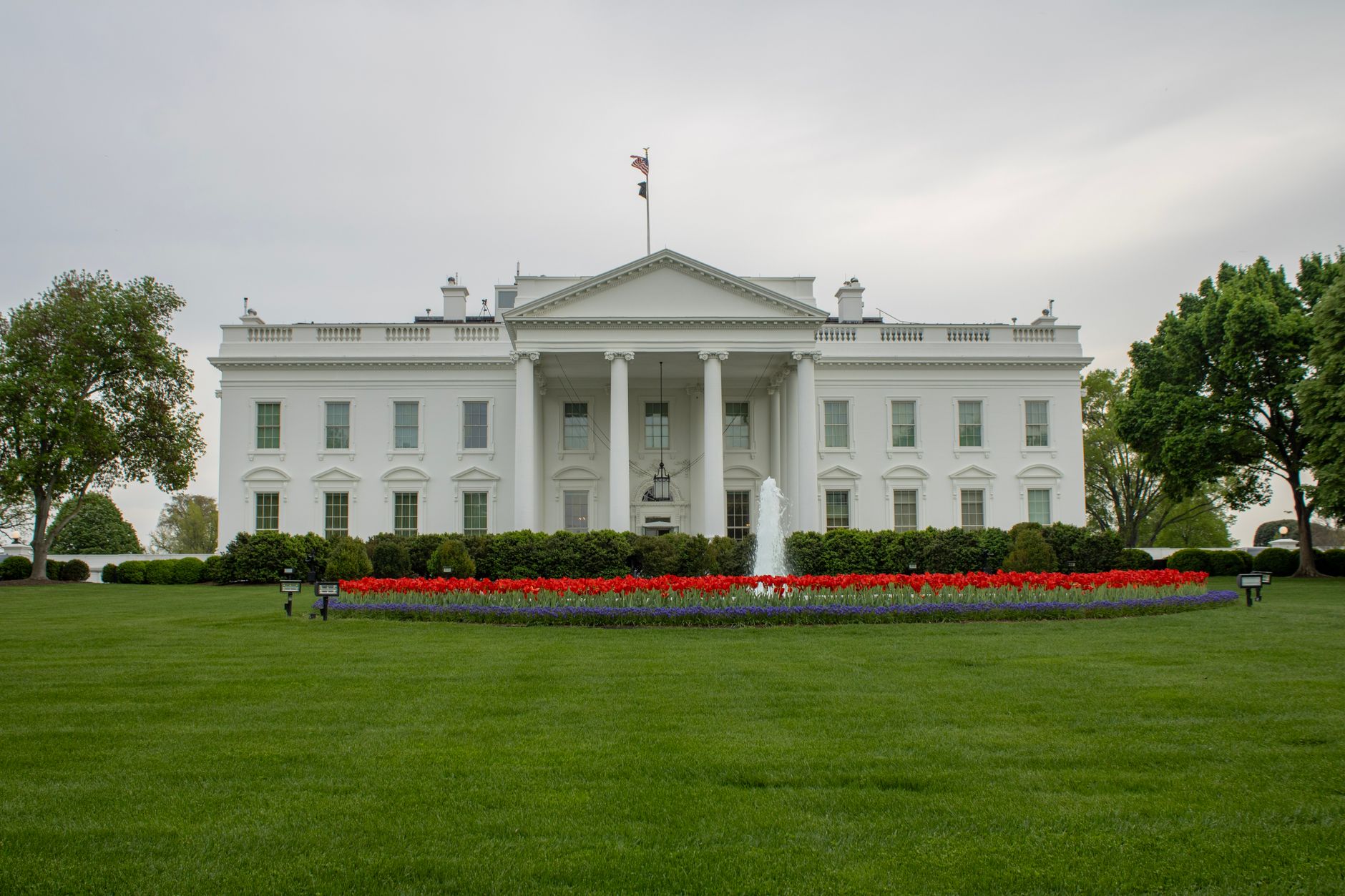
US President Donald Trump celebrated Diwali in the Oval Office last Friday, marking the occasion with an event that underscored the festival's theme of light's triumph over darkness. The gathering featured notable attendees including India's Ambassador to the US, Vinay Kwatra, Secretary of State Marco Rubio, and FBI Director Kash Patel. Among the guests were also prominent business leaders, such as Micron CEO Sanjay Mehrotra and IBM CEO Arvind Krishna, along with celebrity chef Vikas Khanna and tech entrepreneur Vishal Gondal, who presented the President with a copy of the Hanuman Chalisa.
While the White House did not provide official media coverage of the proceedings, attendees shared imagery from the event. Following the ceremony, the White House released a formal message from the President offering greetings to Americans celebrating the festival. In his statement, the President emphasized the significance of families gathering around traditional lamps, noting that the holiday honors the goodness within individuals—values he described as enriching the American experience. This gesture continued a tradition established during the George W. Bush administration, aiming to recognize the cultural contributions of the Indian-American community.
However, the celebration occurred against a backdrop of contrasting political events. Just hours after the Oval Office event, an incident was reported at the Seattle Center Armory, where an Indian community Diwali celebration was disrupted. Reports indicated that Jake Lang, an activist who was among approximately 1,500 individuals pardoned or granted commuted sentences by President Trump for their roles in the January 6 Capitol assault, was present at the scene. Along with another activist, Lang allegedly carried signs containing racist slogans and rhetoric targeting the community.
The disruption in Seattle drew sharp criticism from various public figures and lawmakers. North Carolina Congresswoman Deborah Ross, a former civil rights attorney, issued a strong condemnation of the protest, labelling the actions as despicable. She expressed solidarity with the Indian-American community, highlighting what she described as a concerning rise in anti-Indian sentiment across the United States. The incident follows other recent security concerns, including an investigation into a thwarted mass shooting plan that had targeted a Hindu temple in Illinois earlier this year.
The events highlight a complex environment for immigrant communities in the US. While the White House has engaged in symbolic gestures of cultural inclusion, critics have pointed to the administration's broader immigration policies and rhetoric as contributing to a more hostile climate. The intersection of the President's pardon of January 6 participants and the subsequent behavior of those individuals in public spaces has fueled ongoing debate regarding the administration's stance on extremist rhetoric.
For the Indian-American community, the juxtaposition of the Oval Office recognition and the hostility faced in Seattle has prompted reflections on the current state of social cohesion. Law enforcement and community advocates continue to monitor the rise in bias-related incidents, even as official channels seek to promote the celebration of diversity and traditional values. As the administration enters its second term, the balance between such symbolic gestures and the tangible reality of community safety remains a focal point for observers and policymakers alike.








Comments