


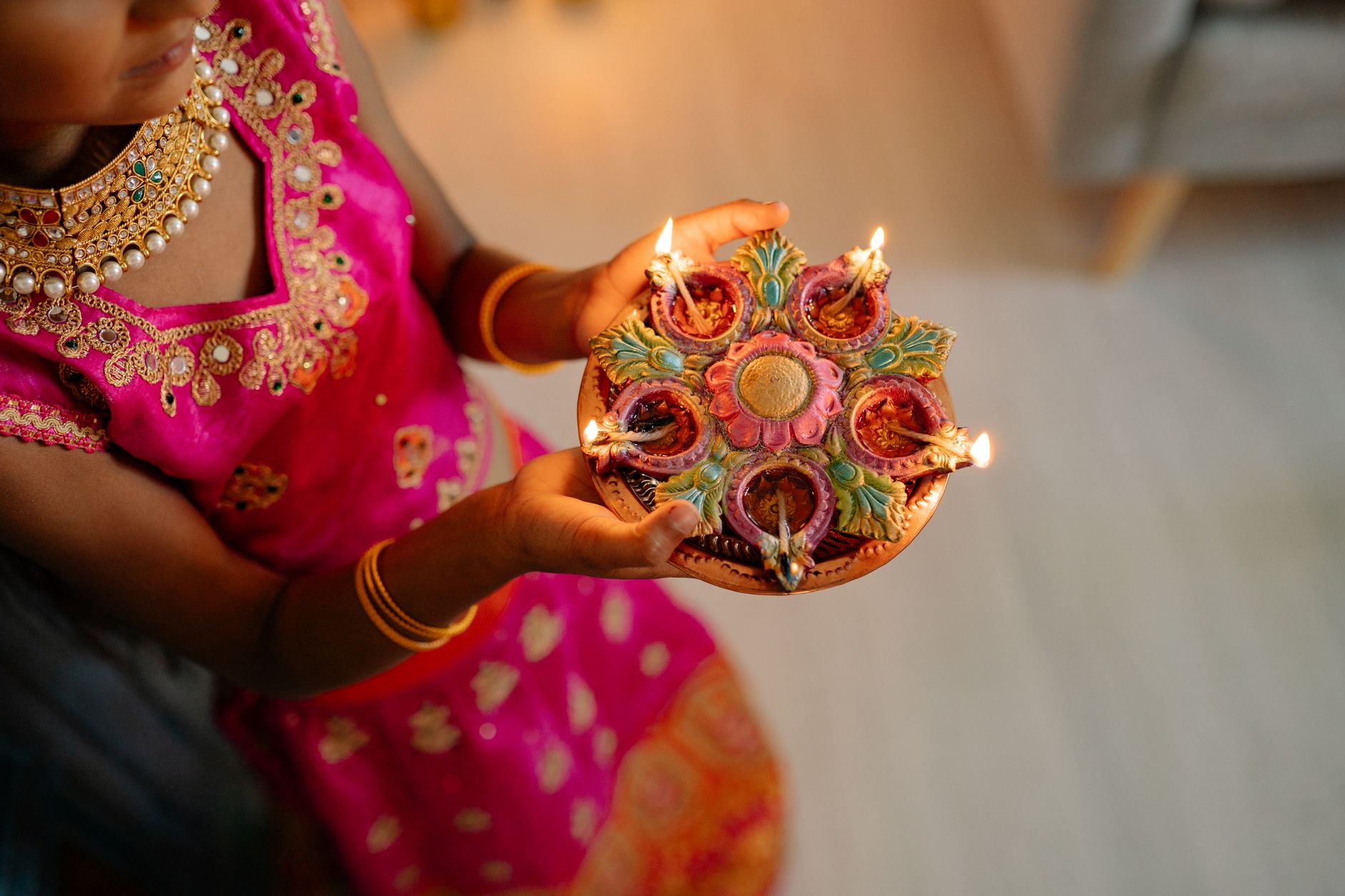
Diwali, one of India's most significant festivals, returns on Sunday, November 8, 2026. While the occasion is marked by vibrant rangoli designs, the warmth of earthen lamps on windowsills, and the sharing of sweets among relatives, the festival remains deeply rooted in the symbolic triumph of light over darkness, knowledge over ignorance, and hope over despair. For many households, it serves as an annual moment to seek blessings, invite prosperity, and embark upon a fresh chapter.
The central observance of the festival is the veneration of Goddess Lakshmi, who is traditionally associated with wealth and well-being, alongside Lord Ganesha, the remover of obstacles. The significance of the celebration varies across regions and communities. While many associate the festival with the return of Lord Rama to Ayodhya after his victory over Ravana—a tradition commemorated by lighting lamps along his path—others observe the day to honor Lord Krishna’s victory over the demon Narakasura or simply to start a new, hopeful cycle. Regardless of the regional lore, the core message remains the prevalence of good over evil.
According to Drik Panchang, the Amavasya Tithi for 2026 begins at 11:27 AM on November 8 and concludes at 12:31 PM on November 9. The most auspicious time for the Lakshmi-Ganesha puja, known as the shubh muhurat, is traditionally held during the Pradosh Kaal, which occurs after sunset. Astrologers often recommend performing the rituals during a fixed Lagna, as it is believed to attract steadier, longer-lasting prosperity. The fixed Lagna windows for November 8 include the Kumbha Lagna (1:18 PM to 2:55 PM), the Vrishabha Lagna (6:12 PM to 8:12 PM), and the Simha Lagna (12:38 AM to 2:47 AM on November 9).
For the majority of households, the Vrishabha Lagna is considered the most significant window as it aligns with the Pradosh Kaal. Families generally aim to complete their prayers between 6:12 PM and 8:12 PM. However, it is noted that these timings are based on data for Manwat, India, and devotees are encouraged to consult a local Panchang to determine the exact muhurat for their specific city or region.
The process of the puja is designed to be a meditative and organized practice. Preparations typically begin well before the evening, with households undergoing a thorough cleaning to ensure a welcoming environment for the deities. The entrance is decorated with flowers and rangoli, while diyas are placed in various corners of the home to dispel darkness.
To perform the ritual, devotees set up a clean platform or chowki, upon which idols or images of Lakshmi and Ganesha are placed. Essential offerings, or samagri, including incense, rice, kumkum, sandalwood paste, flowers, fruits, and sweets, are gathered beforehand. The procedure begins with a prayer to Lord Ganesha to ensure the rituals proceed without hindrance, followed by the worship of Goddess Lakshmi. The ceremony concludes with the singing of the aarti and the lighting of lamps throughout the house.
While customs may vary depending on family traditions and regional practices, the underlying intent remains a collective expression of gratitude and the aspiration for a prosperous year ahead. Chanting specific mantras, such as the Lakshmi Mantra—'Om Hreem Shreem Lakshmyai Namah'—is often encouraged during the worship to help maintain focus and offer prayers for wealth and well-being.








Comments