


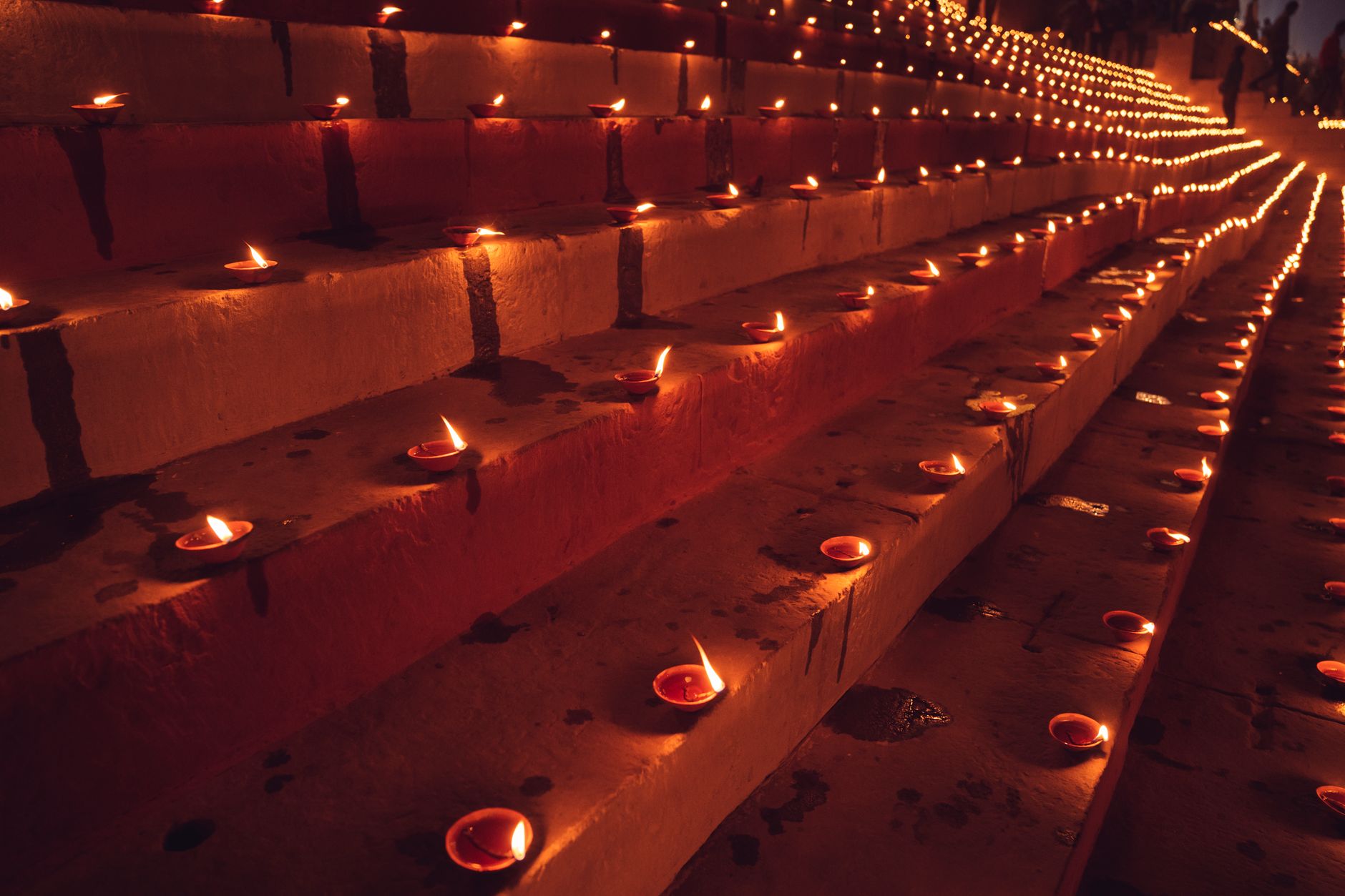
Diwali, widely recognised as the Festival of Lights, stands as one of the most prominent and cherished celebrations in the Indian cultural calendar. Symbolising the eternal victory of light over darkness, knowledge over ignorance, and good over evil, the festival is a period of reflection, renewal, and joy. Traditionally, the celebration is associated with the return of Lord Rama to his kingdom of Ayodhya following fourteen years of exile, marking his triumph over Ravana.
The festivities typically span five days, bringing families and entire communities together in a collective expression of faith and celebration. Homes are adorned with oil lamps known as diyas, candles, and intricate, colourful rangoli patterns to welcome prosperity and positivity. Beyond the aesthetic appeal, these preparations serve as a physical manifestation of hope and the enduring power of goodness that defines the essence of the festival.
Central to the observances are religious rituals dedicated to Goddess Lakshmi, the deity associated with wealth and prosperity, and Lord Ganesha, who is worshipped to seek guidance toward success and new beginnings. These prayers are intended to invite abundance and happiness into the home, reflecting a collective desire for a prosperous future. For many, the occasion is a deeply spiritual time, yet it is equally defined by its social significance, serving as an opportunity to strengthen bonds with loved ones.
In the contemporary era, the way individuals express their festive sentiments has evolved to incorporate digital communication. As families prepare to share their well-wishes, many are curating messages, greetings, and status updates for platforms like WhatsApp to bridge distances. These digital gestures often focus on themes of peace, gratitude, and the collective hope that the coming year will bring meaningful new opportunities and cherished memories.
Festive meals and the sharing of traditional sweets remain cornerstones of the celebration. The exchange of gifts and the act of spreading kindness among neighbours and friends further reinforce the sense of community. The spirit of the festival is encapsulated in the shared joy of the season, where the act of lighting a diya is viewed not just as a decoration, but as an expression of hope for peace and harmony in every household.
As the celebrations continue, the focus remains on the core values of Diwali: gratitude, warmth, and the importance of togetherness. Whether through traditional rituals in the home or by sending thoughtful messages to distant family members, the essence of the festival remains consistent. It serves as a reminder to embrace new beginnings and to carry the light of positivity into the days that follow the festivities.
Looking ahead, the festival serves as a cultural anchor, grounding individuals in their heritage while fostering a sense of optimism for the future. The enduring popularity of Diwali highlights its role in providing a space for both individual reflection and collective celebration, ensuring its continued significance across generations. As households conclude their prayers and preparations, the prevailing sentiment is one of hope, with many reflecting on the triumph of light as an inspiration for the year ahead.








Comments