


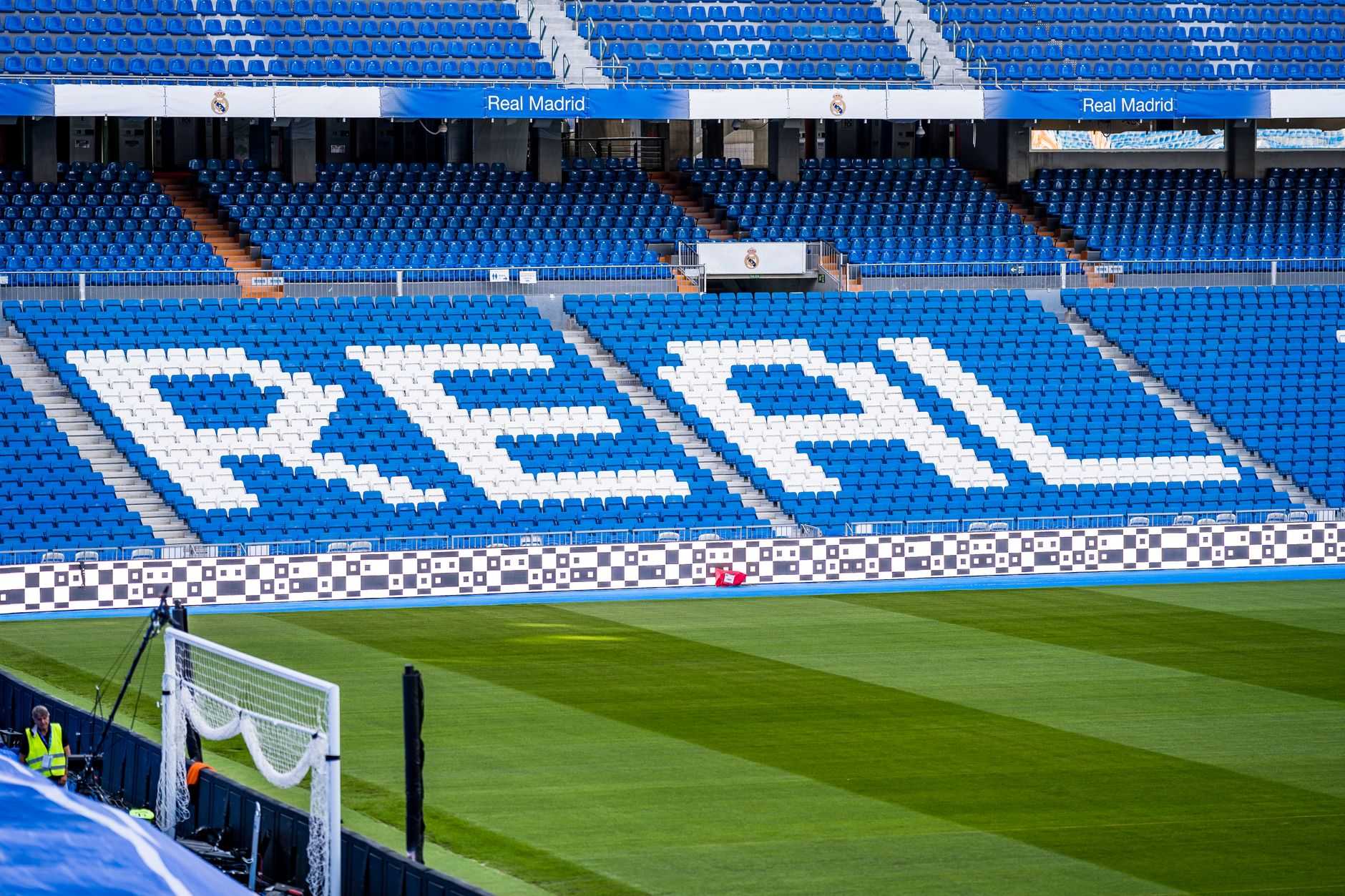
A high-profile controversy involving French football star Kylian Mbappe has escalated into an international diplomatic and commercial issue, casting a shadow over his associations with Real Madrid and the Spanish top flight, LaLiga. The dispute stems from comments made by the forward during a recent appearance on the French football podcast, The Bridge. In a segment that has since been removed from circulation, Mbappe was asked about a viral internet meme that superimposed his face onto an image of Mao Zedong, the former leader of China.
During the discussion, Mbappe referred to the figure in the digitally altered image as “some guy, I think he's a Chinese dictator.” Although he did not explicitly name Mao, the allusion was immediately understood, sparking significant outrage. Mao Zedong remains a figure of profound historical and political sensitivity in China; while revered by many as the founder of modern China, his legacy also encompasses periods of intense national suffering. Consequently, satirical or dismissive references to his image often elicit swift and strong public and official reactions within the country.
The backlash was immediate and severe. By October 27, responding to mounting pressure, Mbappe issued a formal apology in French, Mandarin, and English. He expressed regret for his “ill-judged” comments and acknowledged the hurt they caused among Chinese communities globally. “I have deep respect for the Chinese people and their history, and I am sincerely sorry,” the player stated. Both Real Madrid and LaLiga also moved to distance themselves from the remarks, issuing their own apologies and clarifying that the comments were made in a personal capacity and did not reflect the views of the organizations.
Despite these formal apologies, the practical consequences for the parties involved have been substantial. Several major Chinese commercial entities, including Dongpeng Beverage Group, Mengniu Dairy, and Shanghai Milkground Food Tech, terminated their endorsement contracts with the French superstar. Furthermore, the reach of the sport in the region has been impacted, as China's state-owned broadcaster, CCTV, suspended the airing of LaLiga matches. Advertisements featuring Mbappe were removed from public view, and his presence on major Chinese social media platforms, such as Weibo and Xiaohongshu, became subject to strict limitations.
The situation remains a focal point for diplomatic discussion. On Friday, November 6, Yao Jing, China's ambassador to Spain, confirmed that Beijing is currently in contact with the Spanish football giants. Speaking at the University of Salamanca, Ambassador Yao clarified that while no formal negotiations are underway, the ongoing dialogue is intended to foster a mutual understanding regarding the incident. “This unfortunate incident hurt the feelings of many people in China, who now have to come to terms with the current situation,” Yao stated.
While China's Foreign Ministry spokesman, Guo Jiakun, acknowledged that the government takes the apology from the “individual concerned” seriously, the path toward a full resolution remains uncertain. As talks continue between Chinese officials and representatives from the Spanish football sector, the case serves as a stark reminder of the cultural and political sensitivities that global athletes and organizations must navigate when engaging with international audiences. For now, the focus remains on whether these diplomatic exchanges will suffice to restore the broadcasting and commercial ties that were severed in the wake of the controversy.







Comments