


OpenAI Chief Executive Officer Sam Altman has adopted the name 'Ram Altman' on the social media platform X, a playful pivot that follows a wave of online criticism directed at his recent comments concerning computer memory hardware. The change, which occurred after a suggestion from a user on the platform, serves as a response to the controversy sparked by his views on how the global supply of Dynamic Random Access Memory (DRAM) should be distributed.
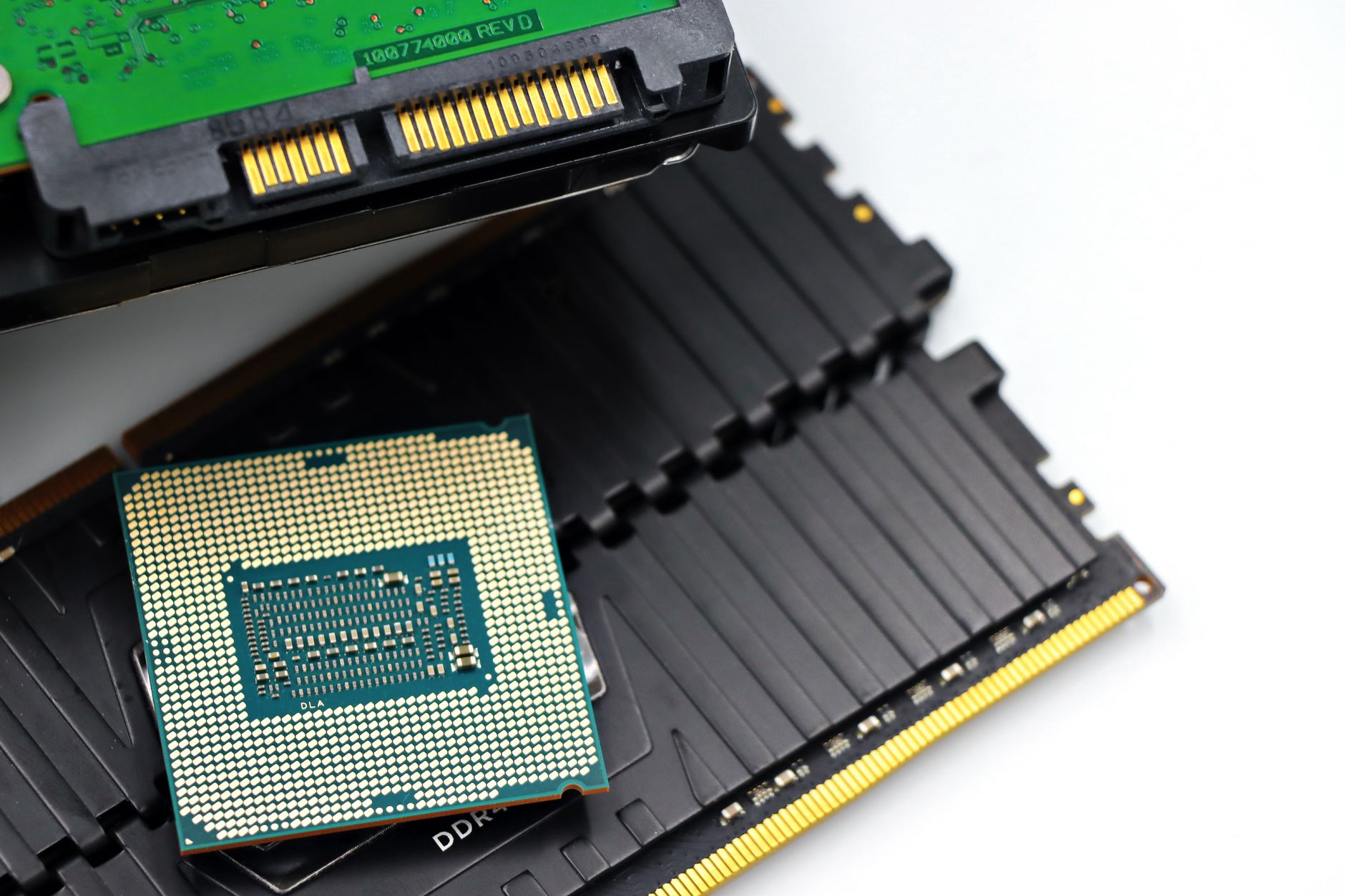
The debate originated during an interview with a YouTuber known as Cheeky Pint. While discussing the significant infrastructure constraints facing the rapidly expanding artificial intelligence industry, Altman questioned the necessity of having substantial amounts of dedicated DRAM inside personal computers. From a global resource allocation perspective, he suggested that it was "quite terrible" for individual users to keep large amounts of memory in their machines if those components were only being utilized a small fraction of the time.
Altman’s argument centered on the need for maximum utilization within cloud infrastructure, especially given that the tech industry is currently grappling with severe supply-constrained environments. By shifting computational power toward data centers, he implied that resources could be managed more effectively than by having them reside in localized, underused personal hardware. This perspective highlighted a fundamental tension between the centralized cloud-based models favored by firms like OpenAI and the growing interest among users in running sophisticated AI models locally on their own equipment.
The remarks triggered immediate backlash from tech enthusiasts and users who favor the privacy and accessibility of local computing. Many viewed his comments as an attempt to diminish the value of personal machine autonomy in favor of cloud-dependent ecosystems. In response to the friction, one user on X suggested the name change as a jab at his position, to which the OpenAI chief replied, "Ok yeah."
Following the name change, Altman sought to clarify his intentions, expressing frustration that his earlier comments had been "taken out of context." He stated that he actually supports the global expansion of memory production and wants users to have the freedom to equip their machines with as much RAM as they desire. He emphasized that his goal was to highlight the broader systemic challenges of global computing capacity, rather than to discourage individual hardware ownership.
Beyond the memory debate, the incident has drawn attention to the ongoing discussions regarding control over future technologies. Altman has previously maintained that human oversight is essential, arguing against the notion that people should be relegated to roles purely determined by what AI systems deem "sensible" to reward. He asserted that human control is vital to prevent the stagnation of artificial intelligence progress, suggesting that surrendering such control would ultimately be counterproductive.
As the artificial intelligence sector continues to experience unprecedented demand for processing power and memory, the industry faces an ongoing dilemma: how to balance the massive, centralized needs of data centers against the desire for robust, localized computing. The "Ram Altman" episode underscores the intense public scrutiny that major AI executives now face as their commentary on technical infrastructure impacts a broad global audience, turning even routine interviews into significant focal points for wider debates on the future of personal technology.








Comments