


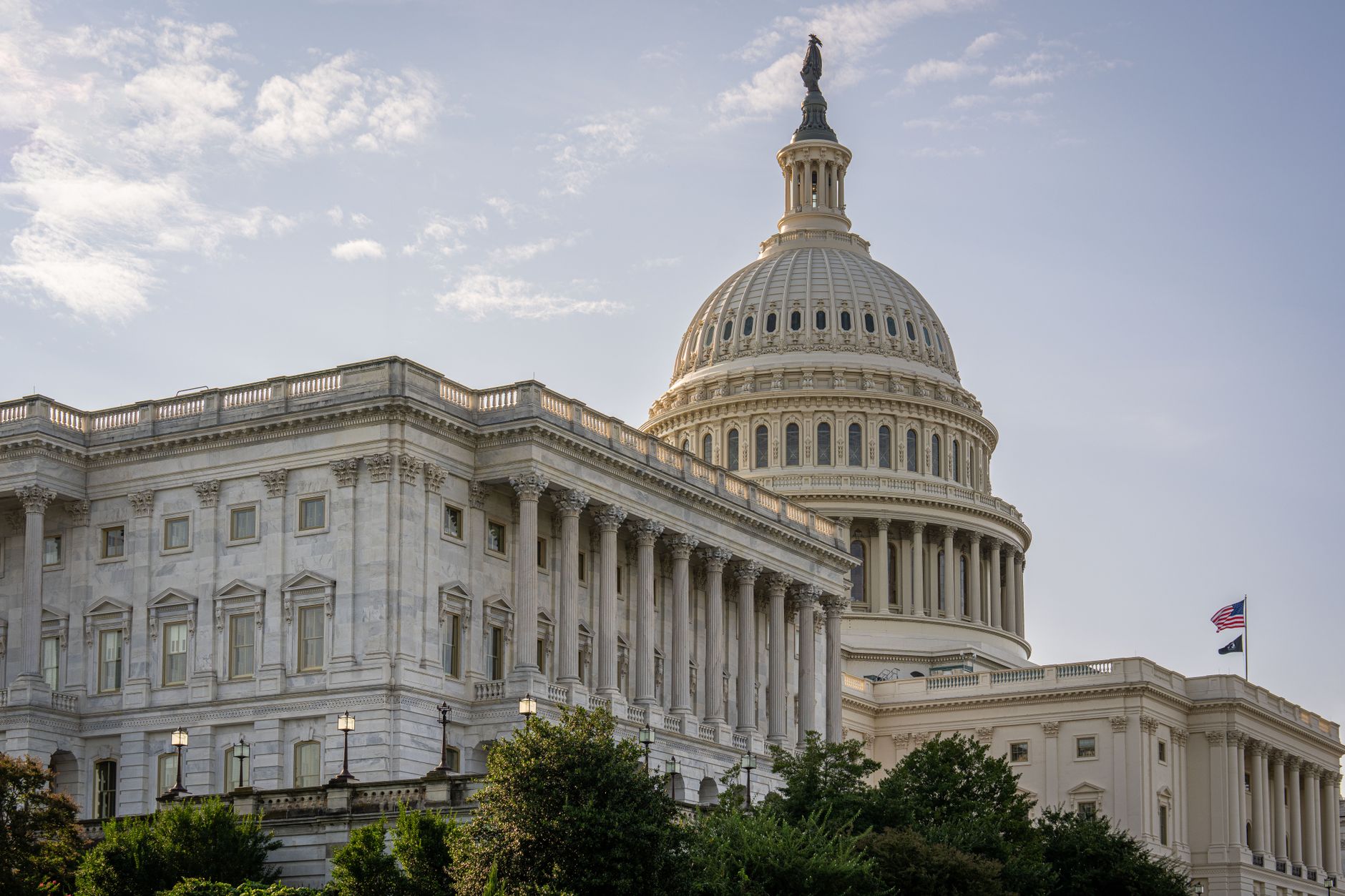
Following the recent midterm election results, a potential political confrontation is taking shape between United States President Donald Trump and a Congress potentially under Democratic control. While Democratic gains in the legislature could grant the party substantial influence over the lawmaking process and provide a platform to challenge or investigate administration policies, these electoral successes do not automatically ensure the enactment of their legislative proposals.
At the center of this legislative tug-of-war is one of the most powerful constitutional tools available to the American president: the authority to veto bills passed by Congress. Even if Democrats secure a sufficient majority to pass legislation through both the House of Representatives and the Senate, the president retains the ability to intervene and prevent those measures from ever becoming law. This mechanism serves as a critical check on the legislative branch, ensuring the executive remains a potent force in shaping national policy.
The possibility of such a standoff has been anticipated for some time. In a post on the platform Truth Social, President Trump shared an image of a red baseball cap prominently featuring the word “VETO.” Although he acknowledged the recent electoral performance of the Democrats, he had previously issued a warning, stating, “If we didn’t win, I veto everything.” This declaration underscores the president’s readiness to leverage his executive authority to block any legislation that does not align with his broader political and policy objectives.
The foundation of this power is firmly rooted in Article I, Section 7 of the United States Constitution. Under this constitutional framework, any bill that has cleared both chambers of Congress must be presented to the president. Once the legislation reaches the White House, the president is granted a period of 10 days, excluding Sundays, to determine the fate of the proposal. During this window, the president has three primary options: sign the bill into law, allow the legislation to become law without his signature under specific circumstances, or reject the measure through a formal veto.
When a president chooses to exercise a regular veto, they must return the bill to the chamber in which it originated, accompanied by a formal statement detailing their objections to the legislation. This act of rejection effectively stalls the bill's path to enactment. For a piece of legislation to become law despite the president’s formal opposition, Congress would be required to override the veto, a process that necessitates a specific threshold of support within the legislative chambers.
This dynamic ensures that the president remains a central actor in the legislative process, particularly when the opposing political party holds a majority in Congress. As Democrats look to intensify scrutiny of the administration, reverse certain executive decisions, and introduce their own policy initiatives, the president’s veto power serves as a primary defense. Consequently, the coming term is likely to be characterized by intense negotiations and the potential for frequent use of the veto to navigate the divide between the White House and Capitol Hill.







Comments