


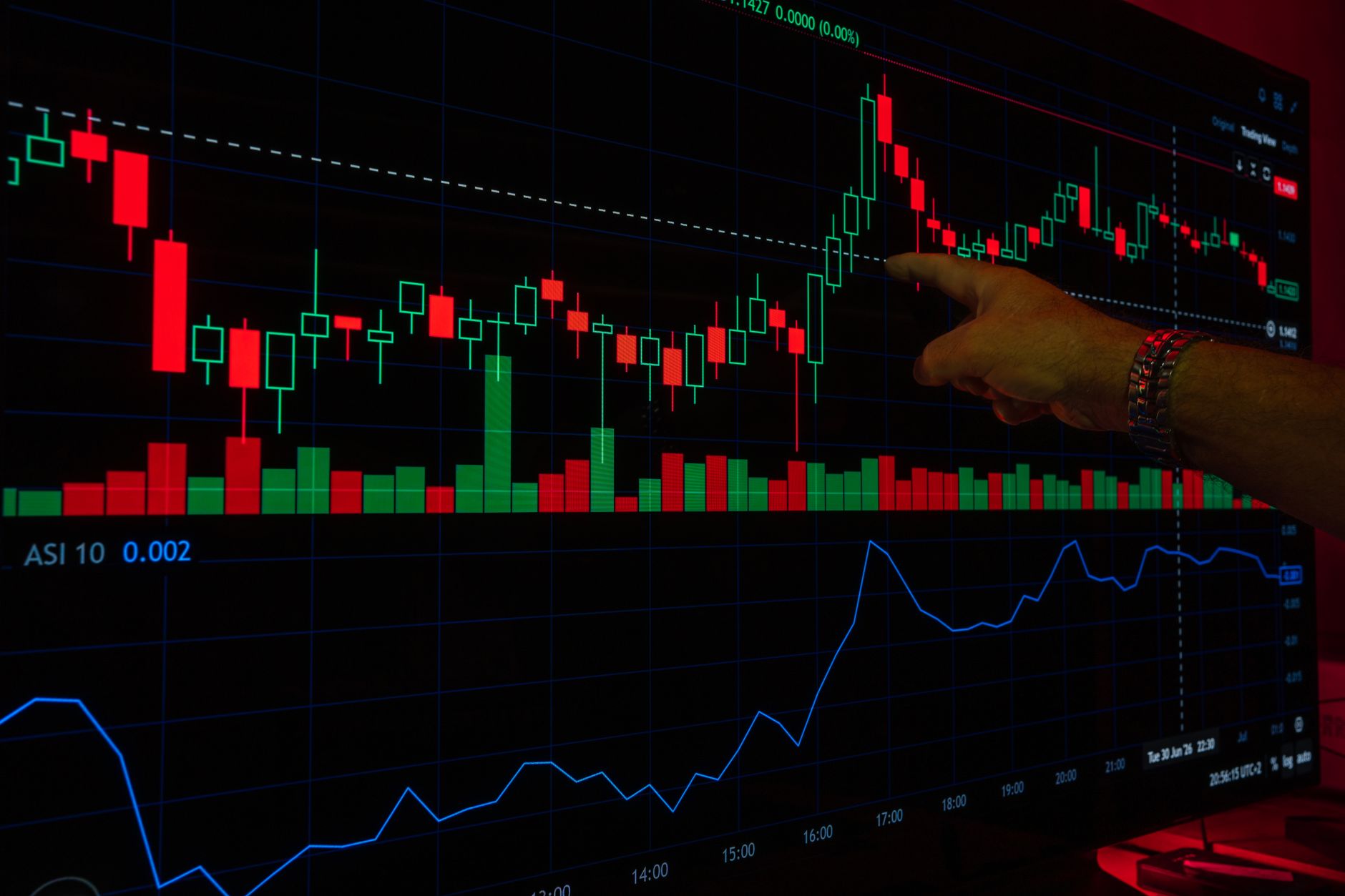
Global markets faced a sharp reaction following a Democratic sweep of the United States Congress, which has prompted investors to reassess trades previously aligned with President Donald Trump’s policy agenda. The shift in legislative control has raised expectations of heightened scrutiny regarding deregulation and the rapid expansion of artificial intelligence (AI) infrastructure, fueling volatility across major asset classes.
Technology stocks bore the brunt of the market adjustment, with Nasdaq 100 futures signaling a weak session. The AI sector, which had been a primary driver of market growth, saw significant pressure as investors reacted to potential challenges regarding data center construction and power consumption. Major players in the chipmaking industry, including Nvidia Corp., experienced declines in overnight trading, mirroring a broader sell-off that impacted Asian markets. The Kospi in South Korea, Japan's Nikkei 225, and Taiwan's benchmark index all posted notable losses as investors moved to reduce exposure to tech-heavy portfolios.
Anna Wu, an investment strategist at Floodlines Research, noted that the current market environment is highly sensitive. She explained that with a Democratic Congress and various Democrat-run states, there is an anticipation of more rigorous oversight regarding data centers and local project approvals. This climate of uncertainty has led many investors to adopt a cautious stance, prioritizing the reduction of AI-related holdings amid concerns about potential delays and revised return expectations on infrastructure spending.
Conversely, the green energy sector experienced an uptick in investor interest. Solar stocks rallied both in the U.S. and internationally, as market participants bet that the new legislative landscape might lead to the slowing or reversal of previous measures that targeted clean-energy projects. Companies such as Enphase Energy Inc., First Solar Inc., and South Korea’s Hanwha Solutions Corp. saw significant gains, reflecting a shift in sentiment toward renewable energy suppliers with exposure to the American market.
The financial markets also saw a decline in the US dollar, which slid against all Group-of-10 peers. The drop in the greenback was accompanied by a surge in Treasuries, as investors adjusted their outlook on fiscal stimulus. Market analysts suggest that a divided Washington may constrain President Trump’s tax and spending agenda, thereby reducing the probability of substantial new borrowing. This shift contributed to a decline in Treasury yields, with five-year and 10-year yields retreating from previous levels.
Cryptocurrencies also faced downward pressure as the election results cast doubt on the path for industry-friendly legislation. Digital assets like Bitcoin, Ether, and Solana declined, moving away from the environment of regulatory ease that President Trump had previously championed. The sector was already grappling with challenges, including outflows from Bitcoin spot exchange-traded funds and the recent impact of the Binance hack.
In the commodities sector, oil prices extended their decline amid renewed focus on U.S.-Iran diplomatic efforts. While a Democratic-controlled Congress might exert pressure on the administration regarding foreign policy, it is not expected to unilaterally dictate military actions. This ongoing geopolitical dynamic leaves oil as a wildcard for global markets, particularly for import-dependent economies. Meanwhile, copper prices also fell, reflecting broader risk aversion and a reassessment of the sustained investment boom that had previously driven the metal to record highs this year.








Comments