


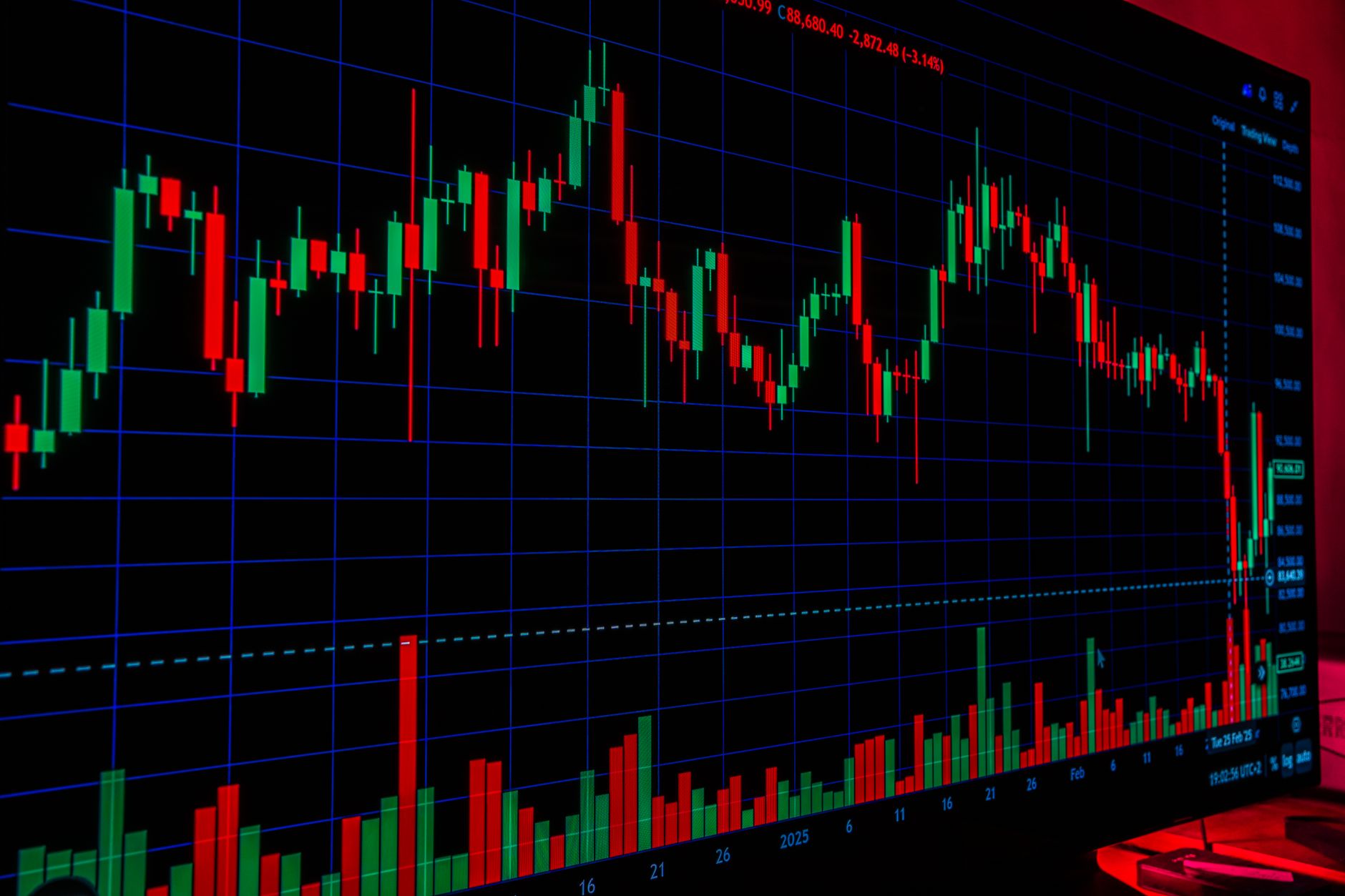
South Korea’s benchmark KOSPI index experienced a significant downturn during early trading on Friday, shedding more than 8% of its value and slipping below the 5,000-point mark for the first time in nine months. The sudden sell-off, which heavily impacted the technology and semiconductor sectors, prompted the Korea Exchange (KRX) to intervene by activating a 20-minute circuit breaker at 9:03 a.m. local time to halt all equity and derivatives trading.
As of 0026 GMT, the KOSPI index was trading down by approximately 500 points, or 8.6%, reaching 4,923.47. The market volatility appears to be largely linked to broader international sentiment, following a dismal performance in US stock markets on Thursday. Major American technology and semiconductor firms saw sharp declines, creating a ripple effect that hit South Korean hardware suppliers particularly hard.
The market instability has been attributed to growing uncertainty regarding future artificial intelligence and data center policies following the US midterm elections. Analysts suggest that the sweeping gains made by the Democratic Party have led investors to anticipate potential shifts in the regulatory or infrastructural landscape for the tech industry. These concerns specifically relate to the pace of AI infrastructure development, with industry observers noting potential slowdowns in various US states, including Texas.
Jun Kwang-woo, chairman of the Institute for Global Economics in Seoul and a former chairman of the National Pension Service, noted that while a market correction was expected, the current intensity of the sell-off may represent an overreaction to the US election results. He expressed a hope for near-term stabilization as markets process the potential implications for global data center expansion.
Individual stocks bore the brunt of the market sentiment, with major South Korean heavyweights suffering double-digit percentage drops. Samsung Electronics, a cornerstone of the domestic index, saw its shares fall by 10%, while competitor SK Hynix experienced a 13% decline. These semiconductor manufacturers remain highly sensitive to shifts in global demand and US policy developments regarding hardware supply chains.
The downturn was not limited to the semiconductor sector. Other major South Korean industrial players also faced significant pressure during the trading session. Battery manufacturer LG Energy Solution saw its share price slide by 4%. Meanwhile, the automotive sector also felt the impact, with Hyundai Motor reporting a decline of 6.9% and its sister company, Kia Corp, falling by 4%.
The sell-off in Seoul mirrors the broader instability witnessed in US markets earlier this week. The rapid unwinding of high-flying technology and semiconductor shares suggests a moment of reassessment among global investors. As markets attempt to recover from the initial shock, analysts will be watching closely to see if the decline represents a short-term panic or the beginning of a more sustained period of adjustment for the global technology sector.
For now, the Korea Exchange remains vigilant, monitoring for further extreme volatility that could necessitate additional trading halts. Investors are currently recalibrating their portfolios in light of the evolving political and economic climate in the United States, which continues to exert a profound influence on South Korea’s export-driven economy.







Comments