


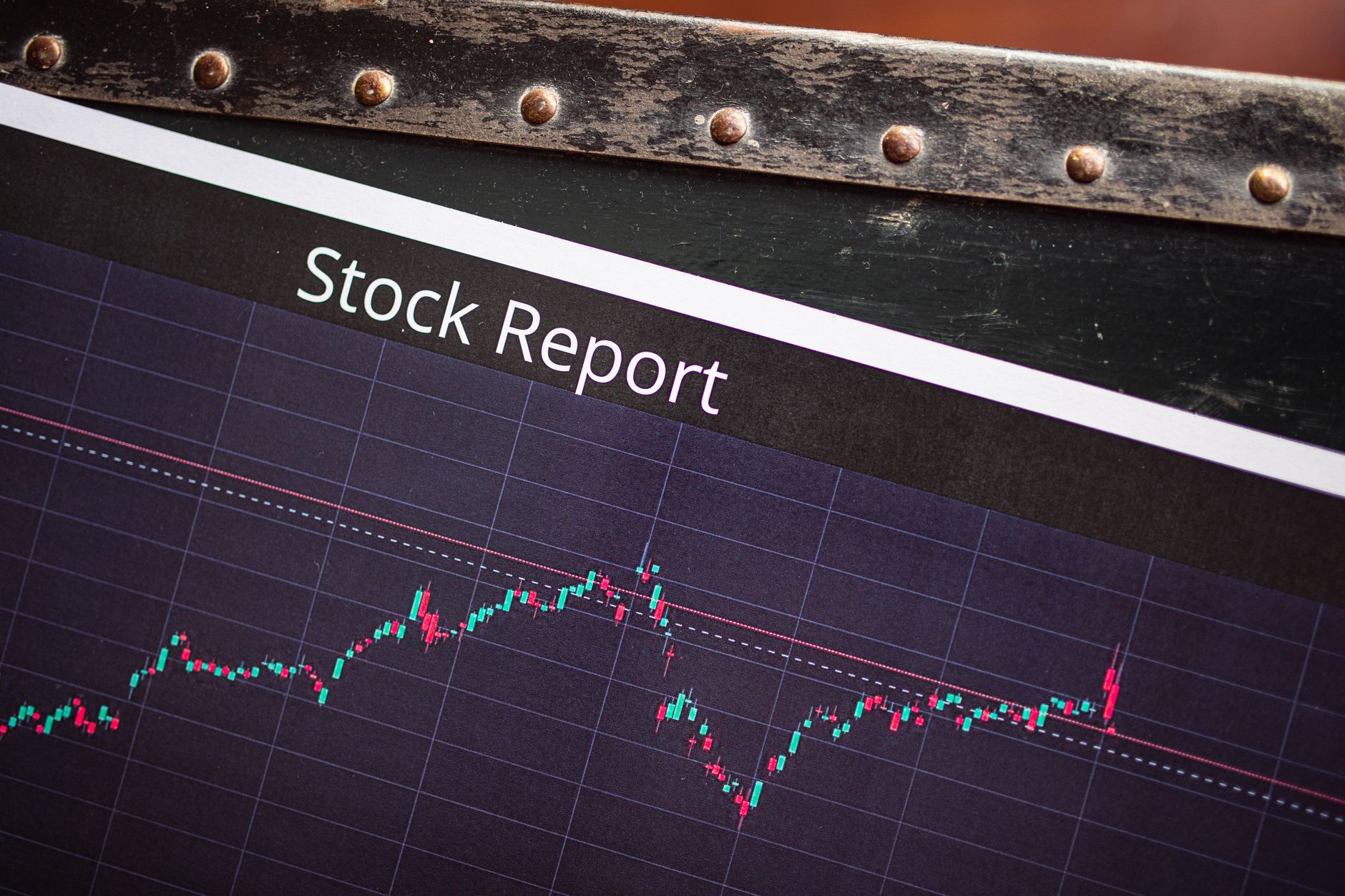
Major US stock indexes experienced a significant downturn on Friday, marking their steepest daily decline since June. The sell-off was primarily driven by a collapse in technology shares, reflecting growing investor apprehension regarding the sector's long-term profitability and rising infrastructure costs. As the trading session concluded, the Nasdaq Composite plummeted 2.86% to finish at 25,437.00. The S&P 500 followed suit, shedding 1.84% to end the day at 7,578.48, while the Dow Jones Industrial Average dropped 1.10% to close at 51,766.87.
During the session, the market pressure was even more pronounced. At various points, the Nasdaq Composite faced losses as deep as 3.5%, while the S&P 500 declined by more than 2%. The Nasdaq 100 index also retreated between 3.5% and 4% throughout the day. This downward trend marked the second consecutive session of losses for the major US indexes, signaling a notable shift in market sentiment as the month draws to a close.
The catalyst for the day’s volatility was a sharp retreat in Intel shares, which plunged nearly 30% after the company provided a weaker-than-expected revenue forecast for the fourth quarter. The chipmaker now anticipates revenue to fall between $15 billion and $16 billion. Management cited several headwinds, including ongoing weakness within the personal computer market, escalating memory costs, and persistent manufacturing difficulties. This sharp decline resulted in the evaporation of more than $100 billion in the company’s total market value.
Broader technology and semiconductor stocks faced significant downward pressure as well. Investors reduced their exposure to the sector amid concerns over the massive capital expenditure required for artificial intelligence infrastructure. Amazon shares dropped approximately 2% as market participants processed the company’s higher-than-expected spending levels and concerns regarding cash flow. This followed a negative performance by Alphabet, which saw its share price fall by more than 12% on the previous day. Other major players in the semiconductor industry, including Nvidia, AMD, Broadcom, and Qualcomm, also trended lower by the closing bell.
While technology stocks bore the brunt of the selling, the ripple effects were felt across the wider market. The Cboe Volatility Index, frequently cited as a gauge for market fear and expected volatility, trended upward throughout the session. In contrast to the tech rout, some defensive sectors—specifically healthcare and consumer staples—managed to record gains as investors sought a temporary refuge from the market turmoil.
The current market trajectory places the Nasdaq on track for its worst monthly performance since March 2025. The index is currently trading approximately 8.5% below its recent all-time record high. Beyond traditional equities, broader financial instability was noted as cryptocurrency markets also weakened, an event partially attributed to a major cyberattack involving the Binance platform.
Market analysts are now closely watching how these macroeconomic pressures and the cooling sentiment toward high-growth tech stocks will influence broader financial conditions in the coming weeks. The combination of weak outlooks from bellwether companies and the mounting costs of AI development continues to dominate discussions on Wall Street, with investors remaining cautious as volatility levels remain elevated compared to earlier in the year.








Comments