


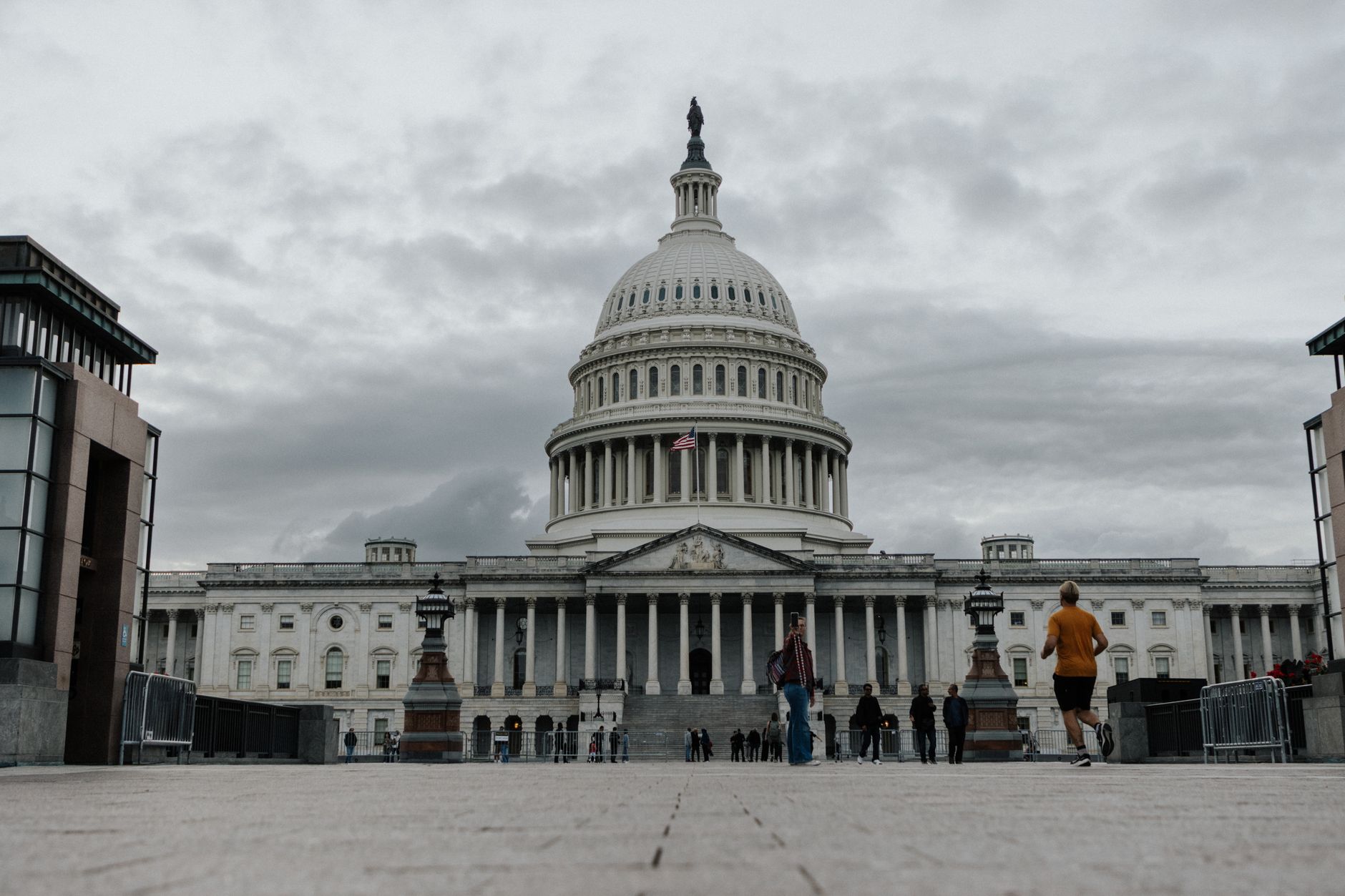
The recent Democratic party gains in the US midterm elections have created a complex political environment, potentially altering the trajectory of the United States’ foreign policy toward China. As the Democratic Party secures control of Congress, analysts suggest this shift offers both opportunities and challenges for Beijing, as lawmakers now possess the legislative capacity to influence or potentially obstruct the foreign policy agenda of President Donald Trump.
A primary point of contention involves the administration’s use of tariffs on Chinese products. Throughout the current term, the White House has utilized these duties as a central tool in a protracted trade war. However, a Congress controlled by Democrats may now be positioned to limit the president's ability to leverage tariffs in future negotiations, according to Wu Xinbo, dean at the Institute of International Studies at Fudan University in Shanghai. While this could hinder the administration’s bargaining power, experts note that Democrats must still navigate the domestic popularity of these measures among blue-collar workers, unions, and small businesses—key constituencies for the party.
Legislators are expected to exercise caution regarding policies that might escalate economic pressure on Beijing. Patricia Kim, a foreign policy fellow at the Brookings Institution in Washington, stated that Congress will likely be less inclined to support measures that risk increasing costs for American businesses or consumers, or those that heighten the likelihood of direct conflict. Despite the potential for legislative obstruction, Drew Thompson, a senior fellow at the S. Rajaratnam School of International Studies, noted that Democrats must balance this oversight with the domestic political realities of their base.
The status of Taiwan remains a critical and potentially volatile issue in this evolving relationship. While the United States has historically served as a major security partner for the island, President Trump previously suggested that arms sales to Taiwan could be used as a bargaining chip in broader trade talks. Consequently, the administration has faced delays in approving a $14-billion weapons package. Some analysts, including Neil Shearing of Capital Economics, warn that Beijing might perceive a distracted Washington as an opportunity to exert increased pressure on Taiwan.
The shift in congressional power could force the president’s hand regarding these security commitments. According to Wu, a Democrat-controlled Congress might move to compel the administration to resume arms sales to Taipei. While such a move would signal robust support for the island, experts caution that it could simultaneously undermine the stability of bilateral relations between the US and China. Conversely, Steve Tsang, director of the SOAS China Institute, suggests that renewed legislative support for Taipei might actually incentivize Beijing to adopt a more cautious approach toward the island.
Despite the change in congressional dynamics, analysts expect Beijing to maintain its current strategy of direct engagement with the US leadership. Rather than viewing the current US political climate as an opportunity for a fundamental shift in relations, Beijing appears focused on managed engagement. As Kim noted, neither Washington nor Beijing currently appears to seek a comprehensive improvement in their bilateral ties. For now, observers anticipate that China will continue to prioritize high-profile leader-to-leader communication with President Xi Jinping to navigate the complexities of Washington’s internal political shifts.
While Congress retains the ability to pass legislation, the institutional power of the presidency remains a significant factor in the outcome of these policies. The president holds the ultimate authority to veto or ignore congressional mandates, ensuring that the final direction of US-China relations remains fluid. As the two nations look toward the remainder of the presidential term, the interplay between a newly empowered legislature and a politically constrained White House will likely define the contours of this critical international relationship.








Comments