


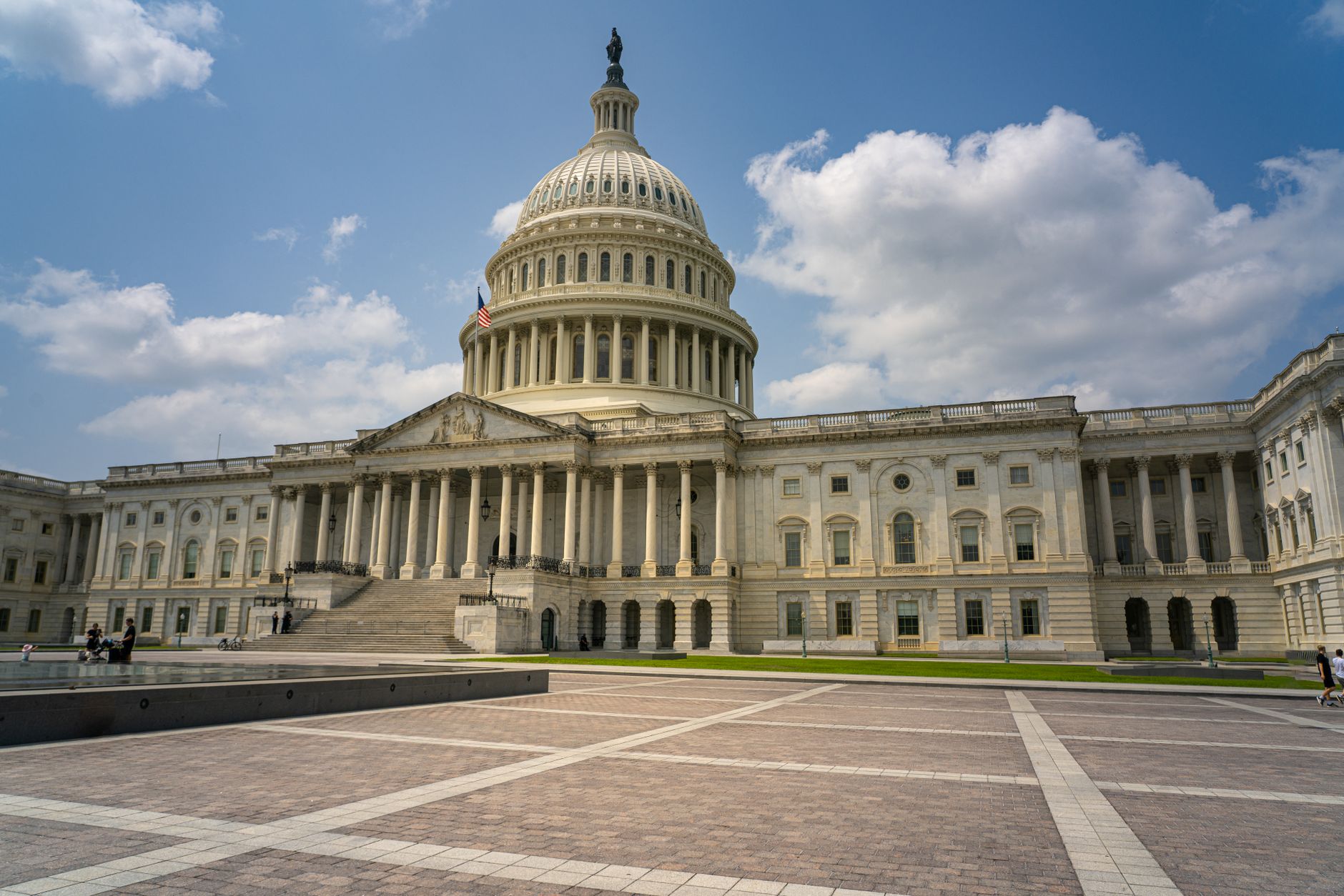
A sweeping shift in the American political landscape occurred on Tuesday, as election results indicated a decisive loss of momentum for the current administration. Democrats successfully gained control of both the House and the Senate, capturing seats in states traditionally considered Republican strongholds. These results, described as a categorical repudiation of the current president, suggest a profound pivot in Washington as the nation looks toward the 2027 legislative term.
For many voters, the midterms served as a referendum on policies enacted over the first half of the president's second term. Public sentiment, tracked by The AP Voter Poll, revealed that approximately three-quarters of the electorate felt either "angry" or "dissatisfied" with the country's trajectory. Concerns over high costs were a primary driver, with six in ten voters explicitly blaming the administration's policies for rising prices. Furthermore, the president's handling of Middle East conflicts and the implementation of unilateral tariffs were cited as significant factors that alienated large segments of the population.
The electoral outcomes were particularly striking in states that have long favored the Republican party. Democrats captured Senate seats in South Carolina, Texas, and Kansas. Furthermore, historic victories were recorded in gubernatorial races, with a Black woman set to become the governor of Georgia and a Latina securing the governorship in Texas. Despite substantial financial backing, including over $250 million from the president and millions more from major donors such as Elon Musk, Republican candidates in these key races were unable to overcome the swing in voter sentiment.
The demographic coalition that once propelled the current administration—comprising young, Black, and Latino voters—demonstrated a clear shift toward the Democratic party. In Ohio, the defeat of Republican candidate Vivek Ramaswamy by Dr. Amy Acton highlighted the limits of negative campaigning, while in Texas, James Talarico made history as the first Democrat to win a Senate seat in the state since 1988. These results suggest that the coarse brand of politics frequently championed by the president has met a significant electoral boundary.
In a notable departure from previous election cycles, there were signs of increased compliance with democratic processes among Republican officials. In Wisconsin, Tom Tiffany, who had previously objected to the 2020 presidential election results, formally conceded his race to David Crowley. Even the president, who continues to dispute his 2020 election loss, publicly acknowledged the outcome of these midterms, attributing the losses to the performance of GOP candidates rather than challenging the vote tally itself.
As the political landscape reorders, the focus now turns to the challenges facing the incoming Democratic majority. While the party claims a clear mandate to shift the nation's direction, they will face the immediate hurdle of a presidential veto. Democrats have signaled plans to investigate the administration, though they face competing pressures to prioritize legislation addressing healthcare, the high cost of living, and potential efforts to limit executive authority.
Jared Moskowitz, a Florida Democrat who won reelection, emphasized the gravity of the task ahead. "We have to deliver for the American people on getting costs down," Moskowitz stated, noting that affordability remains the central mandate for the new Congress. With the era of unquestioned support from Republican leaders appearing to wane, the next two years are expected to be defined by a tense struggle between legislative ambitions and the remaining executive powers of the White House.








Comments