


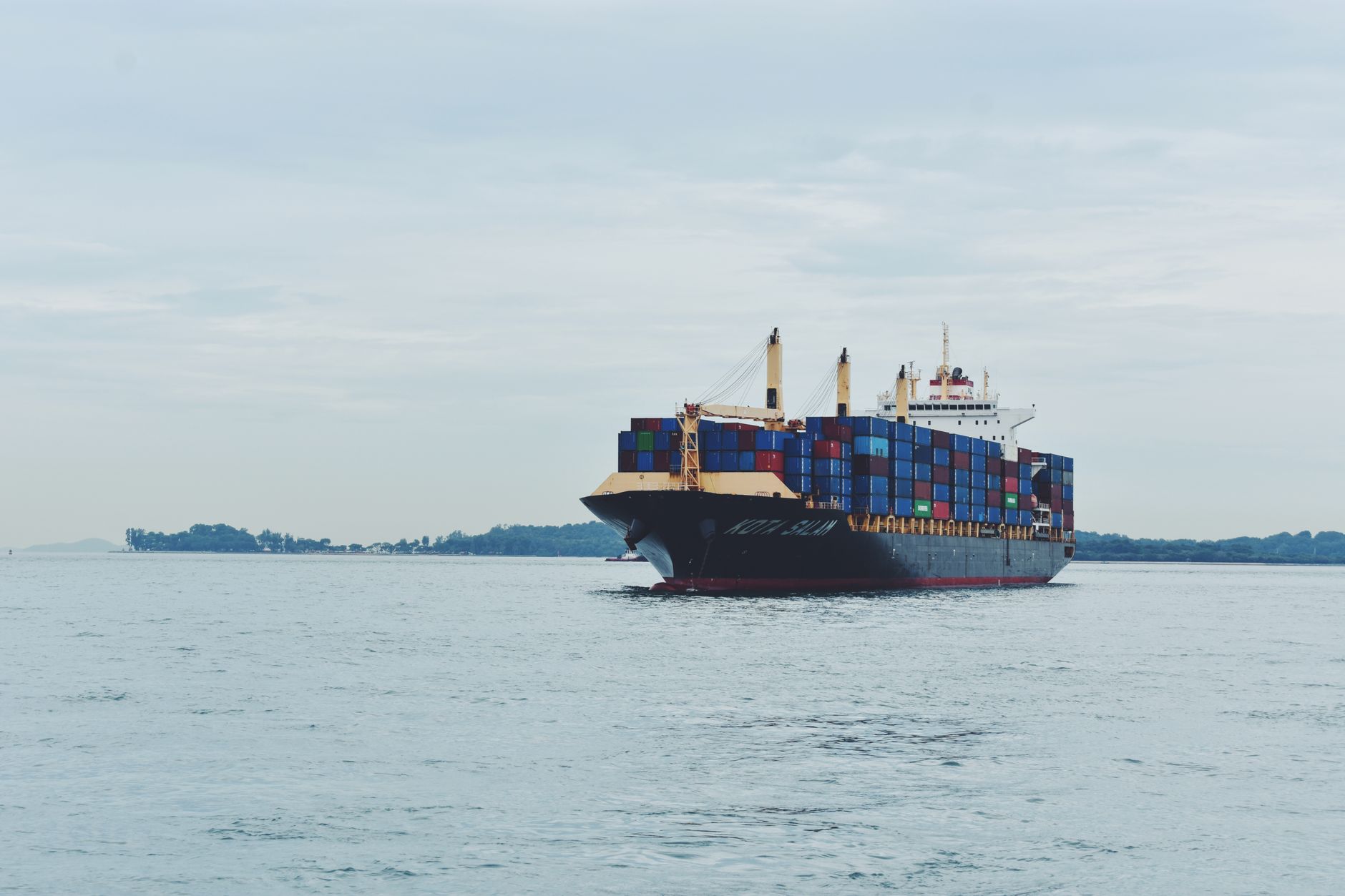
Amidst ongoing military hostilities in West Asia, Tehran has announced that commercial ships from India, China, Iraq, and Qatar are now exempt from transit restrictions currently enforced at the Strait of Hormuz. The maritime passage, a vital global chokepoint that previously accounted for a fifth of the world’s fuel supply, has been subjected to severe disruptions since late February 2026.
Amir Hayat Moghadam, Deputy Chairman of the Iranian Parliament’s National Security and Foreign Policy Committee, confirmed the decision in an interview with the Iranian Students’ News Agency (ISNA) on Tuesday. According to Moghadam, the exemptions allow vessels from these four nations to navigate the waterway freely without facing standard intercepts by American forces. He emphasized that these concessions were grounded in specific strategic considerations and the promotion of mutual interests between Iran and the designated countries.
The rationale behind the exception for India is rooted in the humanitarian sector, specifically Iran’s requirement to secure vital medicinal supplies from New Delhi. In contrast, the exemption granted to Chinese vessels appears linked to Tehran’s desire for continued political backing from Beijing. These diplomatic maneuvers occur against the backdrop of sustained regional instability that has severely hampered international shipping lanes for over eight months.
The current crisis at the Strait of Hormuz began on February 28, 2026, when joint US and Israeli strikes targeted Iranian infrastructure. In a move to control the strategic waterway, Iran implemented a closure of the route shortly after the attacks commenced. Washington later escalated the situation by establishing a naval blockade targeting vessels traveling to or from Iranian ports. Reports indicate that US forces have conducted strikes on Iranian sites, including Qeshm and Hengam islands, with explosive activity also recorded near the mainland region of Bandar Abbas.
Under the existing restrictive regime, Iran generally limits traffic through the waterway, subjecting most vessels to rigorous screening processes and mandatory transit fees. The maritime conflict has already exacted a heavy toll on the shipping industry and personnel. Since the onset of hostilities in February, at least 15 Indian seafarers have lost their lives in various attacks on vessels operating in the region. The most recent casualty involved an Indian sailor killed aboard the commercial ship MSV Al Jusufi near Limah, Oman, on the evening of November 2.
The Government of India has consistently maintained its stance that the regional conflict must be addressed through diplomatic dialogue rather than military force. Expressing deep concern over the persistent danger to maritime trade, New Delhi has formally called for an end to the targeting of civilian infrastructure and commercial shipping. Indian authorities continue to advocate for the restoration of free, unimpeded navigation through international waterways, stressing that such actions must remain in strict accordance with international law.
As the regional situation remains volatile, the exemptions suggest a calculated effort by Tehran to maintain essential supply chains despite the intense geopolitical friction. Whether this limited relaxation of transit restrictions will lead to a broader stabilization of the Strait of Hormuz remains uncertain, particularly as military incidents continue to impact commercial vessels in the proximity of the Iranian coast.








Comments