


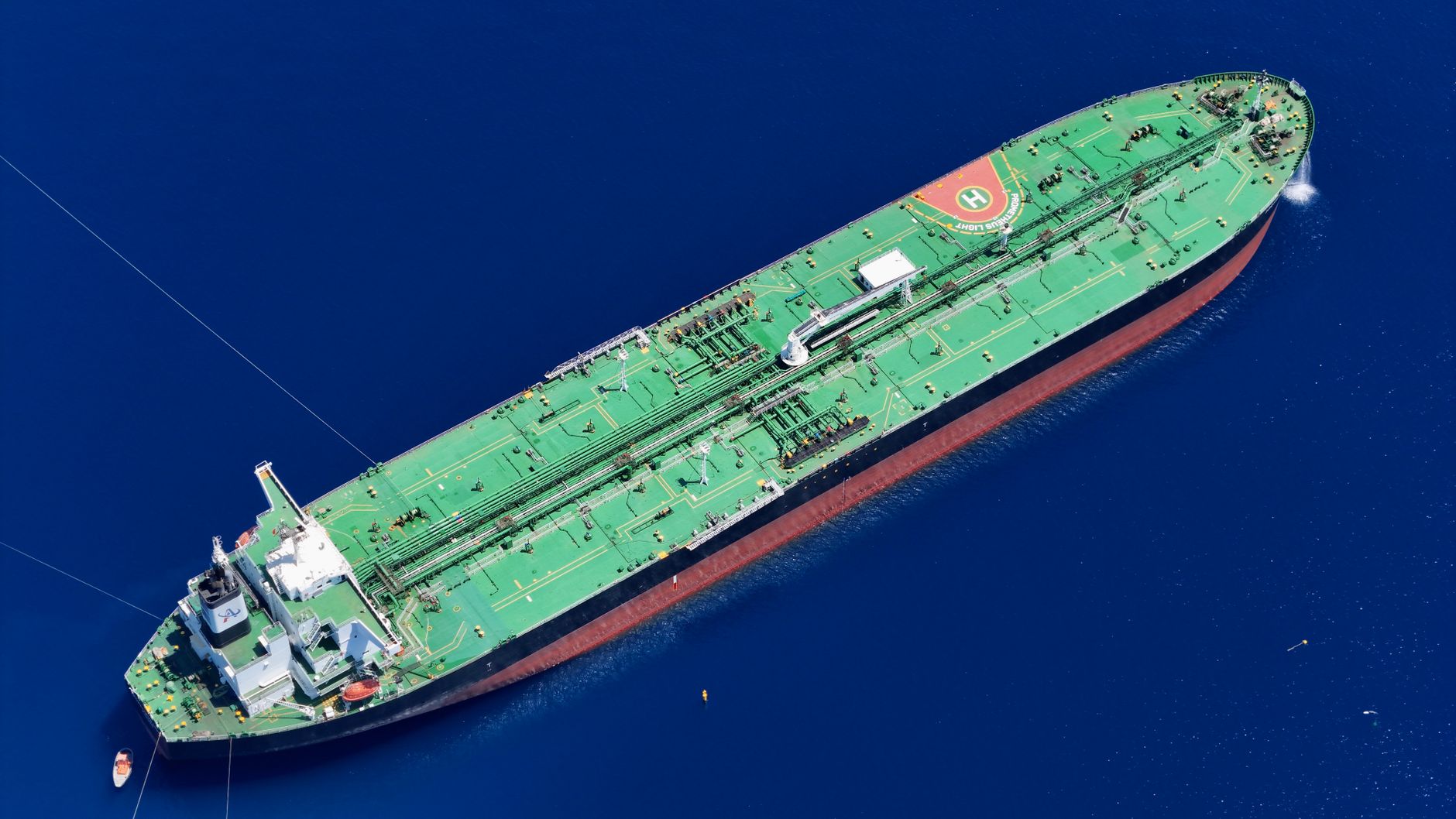
A preliminary draft framework for negotiations between the United States and Iran has proposed a path toward de-escalation, featuring the reopening of the Strait of Hormuz to international maritime traffic within seven days of an initial understanding. According to reports from Al Arabiya English, which obtained key points of the proposal, the framework outlines a synchronized exchange where Iran would either transfer its highly enriched uranium stockpile to a third country or reduce its enrichment levels, in return for the easing of US sanctions, blockades, and economic restrictions.
The proposal suggests that the negotiations, which have been ongoing amidst months of military conflict, should be held in Doha rather than Istanbul. A notable element of the draft is the suggestion that China could act as a guarantor for the sustainability and implementation of any resulting agreement. To ensure both sides fulfill their commitments, the document proposes an independent verification mechanism tasked with assessing compliance before each phase of the deal is enacted. Furthermore, it suggests the creation of a dispute-resolution process involving mediators to address potential violations and mitigate the risk of renewed military escalation.
Diplomatic activity intensified on Friday as a Qatari delegation arrived in Tehran to work on a ceasefire. This mission, coordinated with Washington, involved a senior advisor to Qatar’s prime minister and foreign minister. During these consultations, a letter from US Vice President JD Vance addressed to Iranian security official Mohsen Rezaei was delivered, with reports indicating that Tehran viewed the correspondence as a positive step toward a diplomatic resolution to the military strikes.
Despite these developments, the US stance remains complex. President Donald Trump has publicly maintained that Washington is under no pressure to conclude the conflict, labeling the current situation “not a typical war” and insisting that time currently favors the American position. While Trump noted that Iranian authorities have shown an interest in talks, he suggested that Tehran faces significant domestic challenges, specifically an inability to provide payment to military and law enforcement personnel.
During a briefing at the Oval Office, President Trump minimized the financial burden of the conflict, asserting that the costs were relatively low and offset by other economic activities. His administration continues to balance these diplomatic overtures with warnings of potential military action. The President has previously referenced the possibility of a new military operation, referred to as “another little Epic Fury,” while simultaneously signaling that a comprehensive agreement remains a possibility.
The diplomatic push has also involved regional allies. Turkish Foreign Minister Hakan Fidan met with US Secretary of State Marco Rubio during a G20 ministerial gathering in the United States to discuss regional developments and the ongoing negotiations. This interaction followed a recent telephone conversation between Turkish President Recep Tayyip Erdogan and Trump, during which Ankara emphasized its interest in the security of maritime passages and its support for a diplomatic resolution to the regional tensions.
As it stands, the trajectory of the confrontation remains uncertain. While the draft framework provides a structural pathway for discussion, both Washington and Tehran remain divided on core issues, including the scope of the nuclear program and the existing naval blockade. The reliance on mediator nations and the establishment of verification mechanisms underscore the fragility of the process, as both capitals continue to weigh diplomatic engagement against the persistent threat of further military activity.







Comments