


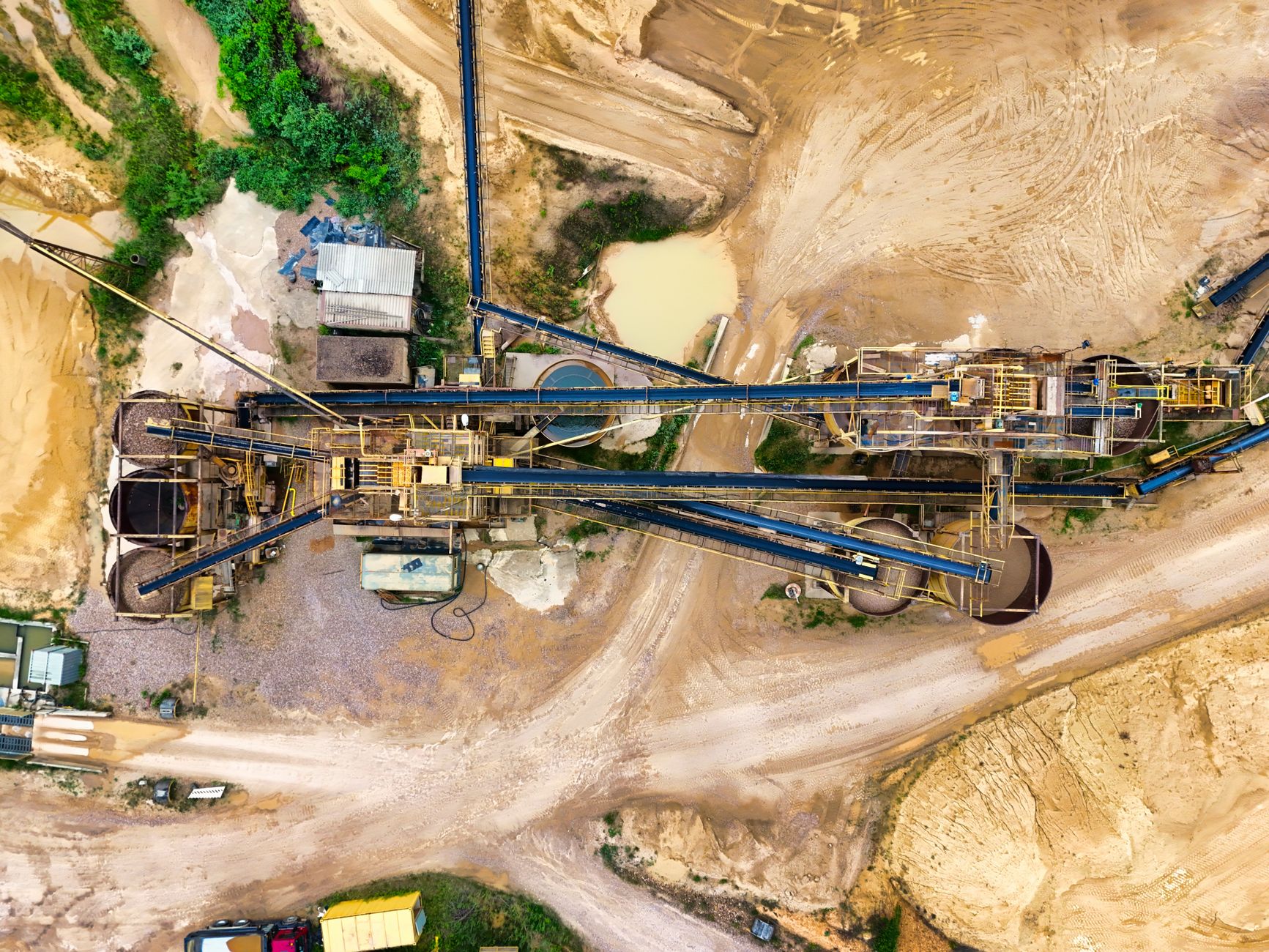
In a significant move to bolster India’s industrial self-reliance, the Union Cabinet on Wednesday approved a Rs 2,814 crore scheme aimed at accelerating the domestic processing of critical minerals. The initiative focuses specifically on lithium and nickel, two materials essential for modern technology and manufacturing that have historically required substantial imports. By incentivizing local processing facilities, the government intends to shift away from its reliance on external markets for these vital resources.
Prime Minister Narendra Modi emphasized the strategic importance of this decision, noting that India cannot afford to remain dependent on other nations for the processing of such crucial materials. Through a post on X, the Prime Minister highlighted that the scheme is designed to attract domestic investment and ensure a more secure supply chain for India's burgeoning industrial sectors. This move is seen as a key component of the nation's broader strategy to establish greater control over the availability of materials required for high-tech applications.
According to the Union Ministry of Mines, the global processing landscape for critical minerals is currently highly concentrated in only a few select locations. This lack of diversification poses a supply risk that the new scheme seeks to mitigate by building robust domestic capabilities. The government’s strategy is not merely to extract raw ores but to promote value addition by supporting the development of facilities capable of refining lithium and nickel into high-purity compounds. Furthermore, the initiative includes provisions for the recovery of cobalt, which is expected to be managed as a by-product of nickel production operations.
The financial framework of the scheme, which is set to be implemented until the end of the 2030-31 financial year, offers a capital subsidy covering 30% of eligible investments. This support is directed toward the establishment of four specific facilities: two lithium processing plants, each with a minimum capacity of 30,000 tonnes, and two nickel processing plants, each featuring a minimum capacity of 50,000 tonnes. The government has set a cap on the financial assistance, limiting it to Rs 500 crore per lithium beneficiary and Rs 900 crore per nickel beneficiary.
In addition to the minerals support, the Cabinet also approved the Viksit Bharat Initiative for Statistical Transformation, Analytics and Research (VISTAR) scheme. This separate project, which comes with an outlay of Rs 4,371 crore, is designed for a comprehensive overhaul of statistical processes. The VISTAR scheme will be executed over a five-year period, spanning from the 2026-27 financial year to 2030-31. Together, these cabinet approvals underscore the government’s focus on long-term data refinement and resource security as core pillars of its national economic agenda.
The implementation of these measures reflects a concerted push by the state to modernize domestic infrastructure. As India works toward meeting its growing energy and technological needs, establishing a domestic foothold in the processing of rare earth and critical minerals is expected to be a critical step. By reducing import dependence through targeted subsidies and fostering a local ecosystem for mineral refining, the government aims to create a more resilient industrial base capable of sustaining long-term growth.







Comments