


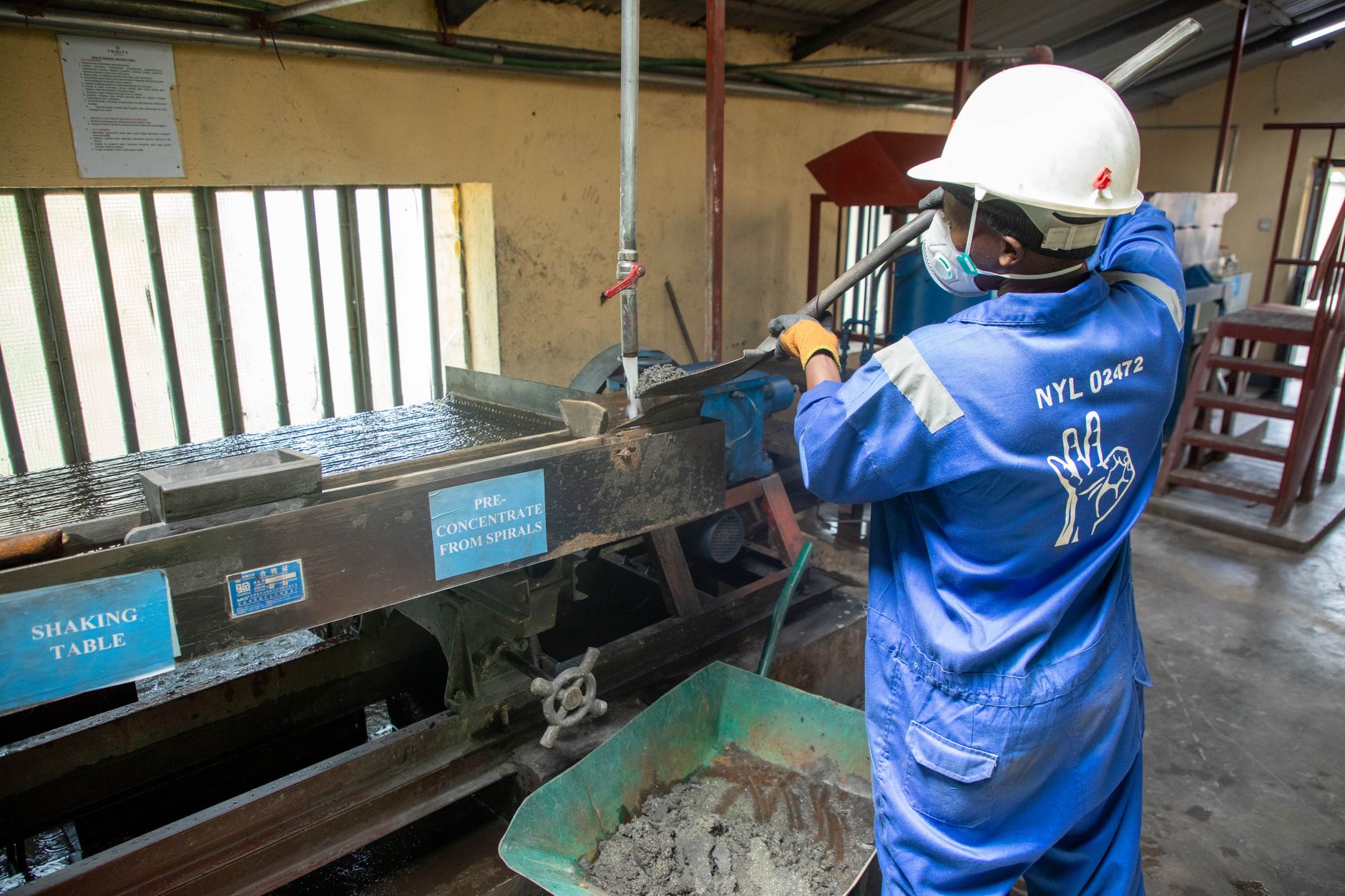
The Union Cabinet on Wednesday approved a significant capital expenditure support scheme worth ₹2,814 crore aimed at establishing domestic processing facilities for lithium and nickel. This policy intervention seeks to bolster India’s critical mineral ecosystem, enhance domestic manufacturing capabilities, and reduce the country’s heavy reliance on imports. The initiative is scheduled to remain in force for a period of five years.
Addressing the current landscape of the sector, the government noted that India’s domestic beneficiation and processing infrastructure for critical minerals is currently limited. Commercial-scale operations have faced persistent hurdles, including high capital expenditure requirements, restricted access to advanced processing technologies, and a challenging environment regarding the availability of raw materials.
Union Minister for Coal and Mines, G. Kishan Reddy, highlighted the strategic importance of this scheme in a social media post. He stated that the initiative would not only strengthen domestic capabilities but also provide a fillip to various vital sectors. According to the minister, the project is expected to benefit industries across the manufacturing value chain, specifically those involved in electronics, semiconductors, battery production, defence, and heavy equipment manufacturing.
Under the outlined subsidy structure, the government plans to provide a capital subsidy equivalent to 30% of the investment required to set up four processing plants—two designated for lithium and two for nickel. To ensure industrial-scale viability, the scheme mandates a minimum processing capacity of 30,000 tonnes per year for each lithium plant and 50,000 tonnes per year for each nickel facility. Financial support under this scheme will be capped at ₹500 crore per beneficiary for lithium projects and ₹900 crore per beneficiary for nickel-based facilities, with funds disbursed in three distinct tranches.
The selection of the four beneficiaries will be conducted through a competitive, least-cost bidding process. The government has indicated that preference will be given to technically qualified applicants who offer the lowest capital expenditure requirements. This mechanism is designed to ensure efficiency and fiscal prudence in the deployment of government funds.
The Federation of Indian Mineral Industries (FIMI), the primary industry body, has welcomed the government's move. FIMI noted that the initiative could act as a catalyst for fresh investments, increase domestic value addition, and significantly strengthen supply chains for battery manufacturing and other strategic sectors. However, the body also cautioned that the scheme's ultimate success would hinge on the consistent availability of raw materials.
Industry experts emphasized that while the processing subsidies are a positive step, the government must also ensure a reliable supply chain for raw materials through both domestic mining and strategic overseas sourcing. The industry body underlined the necessity of developing the entire value chain—from initial extraction and mining to advanced processing and refining—to ensure long-term mineral security for the nation. India is currently engaged in ongoing discussions to acquire lithium blocks in Australia and Chile, while also exploring opportunities for five additional blocks in Argentina, reflecting the government's broader strategy to secure critical resources for its industrial future.







Comments