


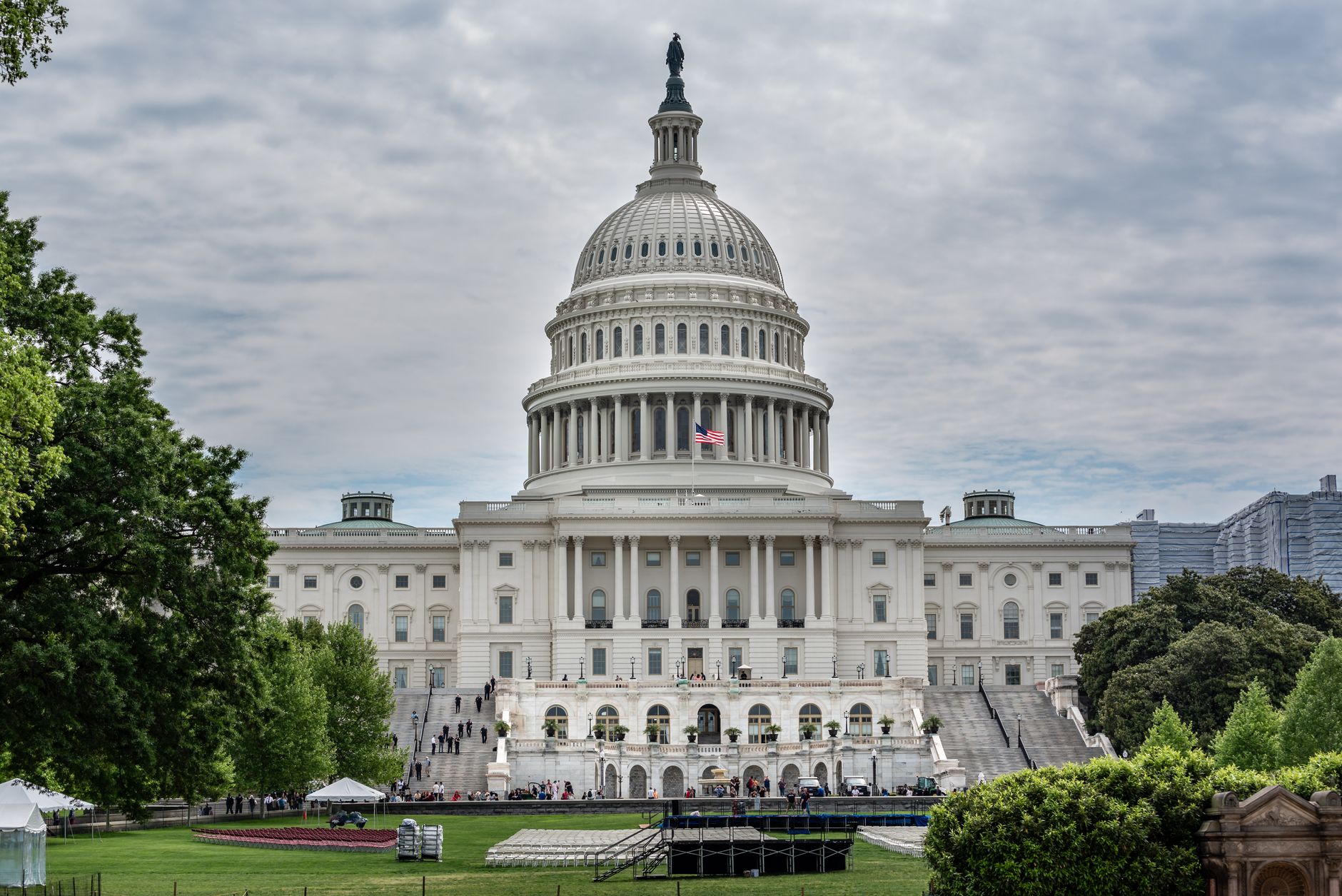
President Donald Trump’s legislative agenda faces a formidable new challenge following the 2026 midterm elections, in which the Democratic Party secured control of both the US House of Representatives and the Senate. This outcome ends the Republican Party’s unified grip on Washington, marking the first time the opposition has held power in both chambers since Mr. Trump returned to the White House. The shift in congressional power signifies a major political setback for the administration, as voters across the country voiced widespread dissatisfaction over the economy, high prices, concerns regarding government corruption, and the ongoing war in Iran.
According to projections from the Associated Press and NBC News, Democrats successfully flipped seats in areas that had previously supported Republican candidates comfortably in 2024. Despite significant fundraising advantages held by the Republican Party and efforts by various states to redraw congressional districts in favor of the GOP, Democratic candidates managed to secure victories in several key regions. Notable Senate wins were reported in states such as Texas, Kansas, South Carolina, Ohio, Iowa, and North Carolina. In a significant shift, Democrat Troy Dale Jackson defeated incumbent Susan Collins in Maine, further cementing the party’s gains.
The change in the legislative balance of power is expected to impose immediate constraints on the president’s ability to advance his second-term priorities. With Democratic majorities now in place, the administration will likely face intensified scrutiny. The party is expected to utilize its new control over congressional committees to initiate investigations into the president, his family, and his business interests, including government contracts and potential conflicts related to private projects. The Senate’s confirmation process and the House’s legislative scheduling are now entirely under Democratic management, which may complicate the appointment of conservative judges to the federal judiciary.
However, the transition of power does not guarantee that the Democratic Party will be able to enact its own legislative agenda without resistance. President Trump has signaled his intent to utilize executive veto power to block proposals he opposes. Because Democrats lack a two-thirds majority in both chambers—the threshold required to override a presidential veto—the coming months could be marked by a prolonged legislative standoff between the White House and Capitol Hill.
In the wake of the results, President Trump sought to distance himself from the election losses. He stated on social media that he was not on the ballot, suggesting that the outcomes were the result of candidate performance rather than his own political standing. An official from the administration noted that the president had actively promoted these candidates, implying that the responsibility for the results lay with their individual campaigns. Before the results were finalized, the president told CBS News that he was prepared to act as “Mr. Veto” should Democrats gain control of the legislature.
In the House of Representatives, Democrats are projected to finish with approximately 244 seats, comfortably exceeding the 218 required for a majority. This represents a broad success for the party, which campaigned heavily on the impact of rising living costs. While the final tally remains subject to change as remaining races are officially called, the current results confirm a substantial rebuke of the administration's platform. As the new Congress prepares to take office, the focus will likely shift toward committee-led oversight and the upcoming battle over the federal budget and legislative priorities.








Comments