


Global oil markets saw a notable pullback on Monday, with prices falling by more than 1% as international diplomatic efforts aimed at de-escalating tensions in the Middle East intensified. Brent crude futures decreased by $1.59, or 1.40%, settling at $111.84 per barrel by early trading hours. Similarly, the US West Texas Intermediate (WTI) crude experienced a decline, trading at $102.56 per barrel, marking a drop of $1.56 or 1.50%.
This cooling in prices follows a period of heightened volatility that saw Brent crude end October at its highest level in six months. Market sentiment has been largely driven by the ongoing geopolitical friction involving Iran, particularly as observers look toward the potential implications of the upcoming US midterm elections. The current decline is viewed by market participants as a technical adjustment following the significant gains recorded in the preceding week.
The shift in market direction coincides with the third consecutive day of discussions between Iranian and Qatari officials. These talks are focused on establishing a framework to resolve the ongoing conflict between Iran and the US-Israeli sphere. Iranian Foreign Minister Abbas Araqchi confirmed on Sunday that these consultations are currently progressing, maintaining that Tehran remains prepared for both defensive and diplomatic paths depending on the outcome of the discussions.
Tim Waterer, chief market analyst at KCM Trade, noted that the absence of major military escalations over the weekend, paired with renewed optimism regarding diplomatic progress, has helped alleviate some of the immediate pressure on global energy prices. However, market analysts warn that the situation remains precarious. There is a persistent belief among observers that if regional rhetoric intensifies following the US midterm elections, Brent crude could see renewed upward pressure, potentially pushing prices toward the $120 threshold.
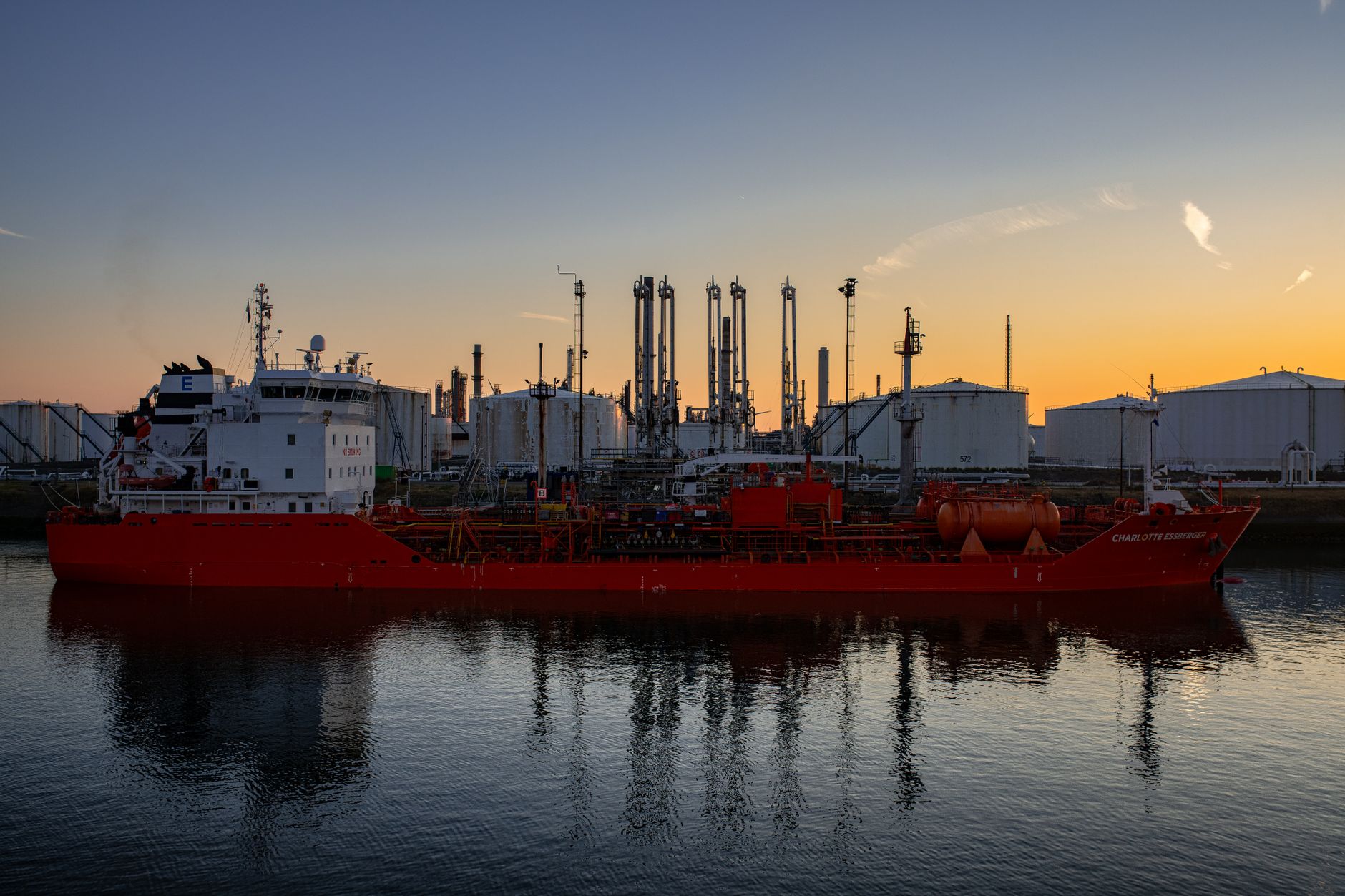
The uncertainty in the energy sector is further complicated by physical security risks to supply chains. Attacks on oil tankers transiting the Strait of Hormuz continue to influence global shipping costs. Furthermore, shipping tracking data indicates that despite these challenges and ongoing attacks on its energy infrastructure by Iran-aligned Houthis, Saudi Arabia successfully increased its crude exports in October compared to the previous month.
In response to the current market climate, the Organization of the Petroleum Exporting Countries and its allies, known as OPEC+, met on Sunday to review production strategies. The group opted to maintain its existing production targets for December, effectively signaling that no further major policy adjustments are expected until the new year. The consortium continues to navigate difficulties caused by export disruptions stemming from the regional conflict.
As these diplomatic and economic factors converge, the market remains in a state of high alert. While the immediate cooling of prices provides some relief, the interplay between diplomatic breakthroughs and the underlying structural risks in the region will likely dictate price stability in the near term. Investors and stakeholders are currently waiting for further clarity on both the diplomatic front and the potential shift in political landscapes following the imminent electoral cycles in the United States.








Comments