


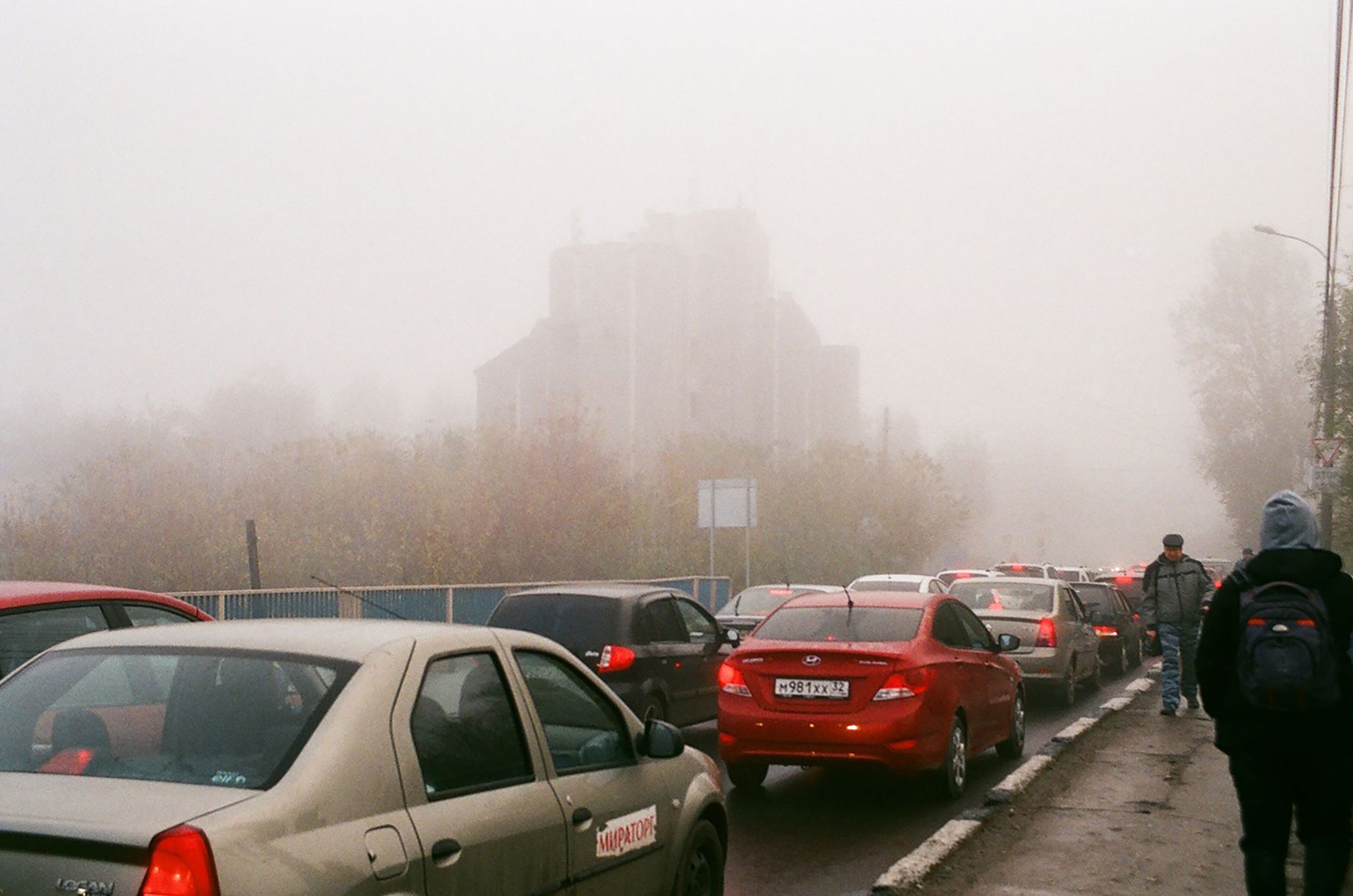
Delhi has officially implemented a ban on the entry of vehicles registered outside the national capital that do not comply with BS-VI emission standards. This measure, which came into effect on November 1, is a key component of the revised Graded Response Action Plan (GRAP) designed to mitigate the capital's severe winter air pollution. These restrictions are scheduled to remain in force until January 31, 2027.
The impact of this policy is expected to be significant, as millions of vehicles in the surrounding National Capital Region (NCR) currently fall below the required BS-VI standards. Transport Department estimates indicate that more than one million such vehicles are registered across the cities of Gurugram, Faridabad, Noida, Greater Noida, and Ghaziabad. In Gurugram and Faridabad alone, approximately 200,000 vehicles fail to meet the new criteria, with a large majority complying only with outdated BS-III or BS-IV norms.
Despite the strict enforcement, the government has provided specific exemptions. CNG and electric vehicles, ambulances, fire tenders, and certain vehicles engaged in essential services are permitted to enter the city. Additionally, vehicles registered within Delhi are outside the scope of this specific entry restriction, although they remain subject to other existing pollution-control regulations and vehicle-age norms. All vehicles, even those meeting BS-VI standards, must carry a valid Pollution Under Control (PUC) certificate to be eligible for entry.
To ensure compliance, authorities have deployed Automatic Number Plate Recognition (ANPR) cameras at key entry points. These systems are programmed to scan registration plates and flag vehicles for manual verification by enforcement teams. Security and monitoring arrangements have been significantly strengthened along major transport corridors connecting the capital with Noida, Gurugram, and Ghaziabad to prevent non-compliant traffic from entering the city limits.
The implementation of BS-VI standards is central to India's strategy for reducing vehicular emissions, which are estimated to account for a substantial portion of Delhi's particulate matter (PM2.5) load. According to the Centre for Science and Environment (CSE), the transition to BS-VI norms—which occurred nationwide on April 1, 2020—was designed to reduce emissions by 60% to 90% compared to previous standards. Specifically, BS-VI technology has been shown to significantly lower nitrogen oxide emissions from diesel cars and buses, while particulate filters help capture soot before it is released into the atmosphere.
Air quality studies conducted by institutions such as The Energy and Resources Institute (TERI) and the Automotive Research Association of India (ARAI) have previously identified vehicular traffic as a primary source of nitrogen oxides in Delhi. Furthermore, research from IIT Kanpur has linked vehicle exhaust to a significant percentage of the city's PM2.5 levels during the winter months. By enforcing these stricter standards, the administration aims to curb the chemical precursors that lead to the formation of ozone and fine particulate matter, which are known to cause respiratory irritation and degrade public health.
For commuters and small-business owners who frequently travel between the NCR cities and Delhi, the new rules necessitate immediate adjustment. Enforcement agencies have already begun displaying warning banners at various entry points, including the Ghazipur border, to inform drivers of the new protocols. As the winter season progresses, authorities continue to monitor air quality levels to determine if further measures under the Graded Response Action Plan will be required.








Comments