


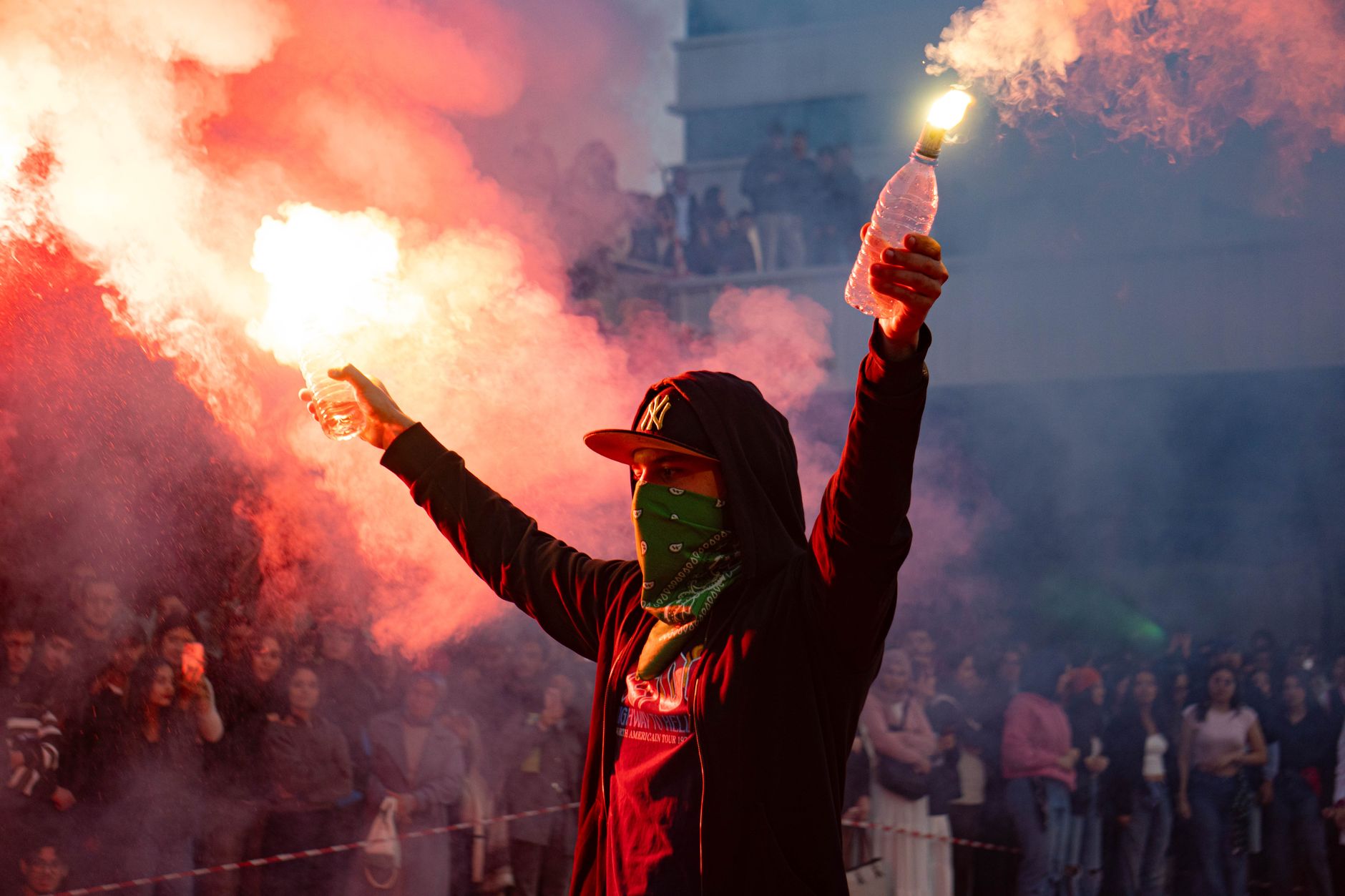
Tens of thousands of demonstrators took to the streets across Germany in a coordinated, youth-led wave of protests that spanned major cities on October 31, 2026. The rallies, which were organized under the banner of a group known as “Gen Z regelt” (Gen Z has got this), were primarily aimed at demanding improvements in the national education system and calling for relief from the rising costs of living. Inspired by similar youth movements that have recently gained traction in France and Italy, the participants gathered to express their frustrations with current socio-economic conditions.
While the movement attracted significant numbers, the turnout fell slightly short of the organizers' expectations. According to “Gen Z regelt,” approximately 120,000 individuals participated in the events nationwide, a figure lower than the 180,000 people the organizers had originally anticipated. Throughout the daylight hours, the demonstrations remained largely orderly, with participants marching through streets in urban centers including Berlin, Cologne, Hamburg, Frankfurt, and Dusseldorf. Authorities noted that the initial phase of the protests was generally peaceful.
However, the situation underwent a dramatic shift as night fell. Tensions escalated in several major cities when groups of young people refused to disperse, leading to localized clashes with law enforcement. In some instances, the protests descended into violence, with reports indicating that participants threw Molotov cocktails at police personnel. In response to the escalating unrest and the refusal of crowds to clear the areas, police forces deployed water cannons to disperse the remaining demonstrators.
The physical confrontations resulted in multiple injuries among police officers who were tasked with maintaining public order. Reports from the ground documented scenes of civil disorder, including an incident in Frankfurt where a group was seen looting a gun store. Visual documentation from the evening showed intense interactions between law enforcement and protesters, including detainments occurring in Berlin as authorities worked to regain control of the streets.
The protests underscore growing discontent among Germany’s younger demographic, who have cited the pressure of economic hardship and a need for systemic change in education as their primary motivations. The group “Gen Z regelt” successfully mobilized a widespread network of young citizens across the country, though the shift toward violence in the evening has added a layer of complexity to the public and political discourse surrounding these demands.
German authorities have begun reviewing the events of the evening to assess the full extent of the damages and the nature of the clashes. As the country grapples with the aftermath of these large-scale demonstrations, the focus has shifted toward how the government might respond to the grievances voiced by the youth movement. While the demonstrations highlighted a significant level of organized activism, the violence reported late into the night remains a focal point for security officials and policy analysts.
The events of October 31, 2026, represent a significant moment of unrest in Germany, bringing the challenges faced by the younger generation into sharp national focus. Whether this movement continues to organize further actions or engages in dialogue with policymakers remains to be seen. For now, the administration faces the dual task of addressing the underlying economic and educational concerns of the youth while managing the security implications arising from the recent escalation in protest activities.








Comments