


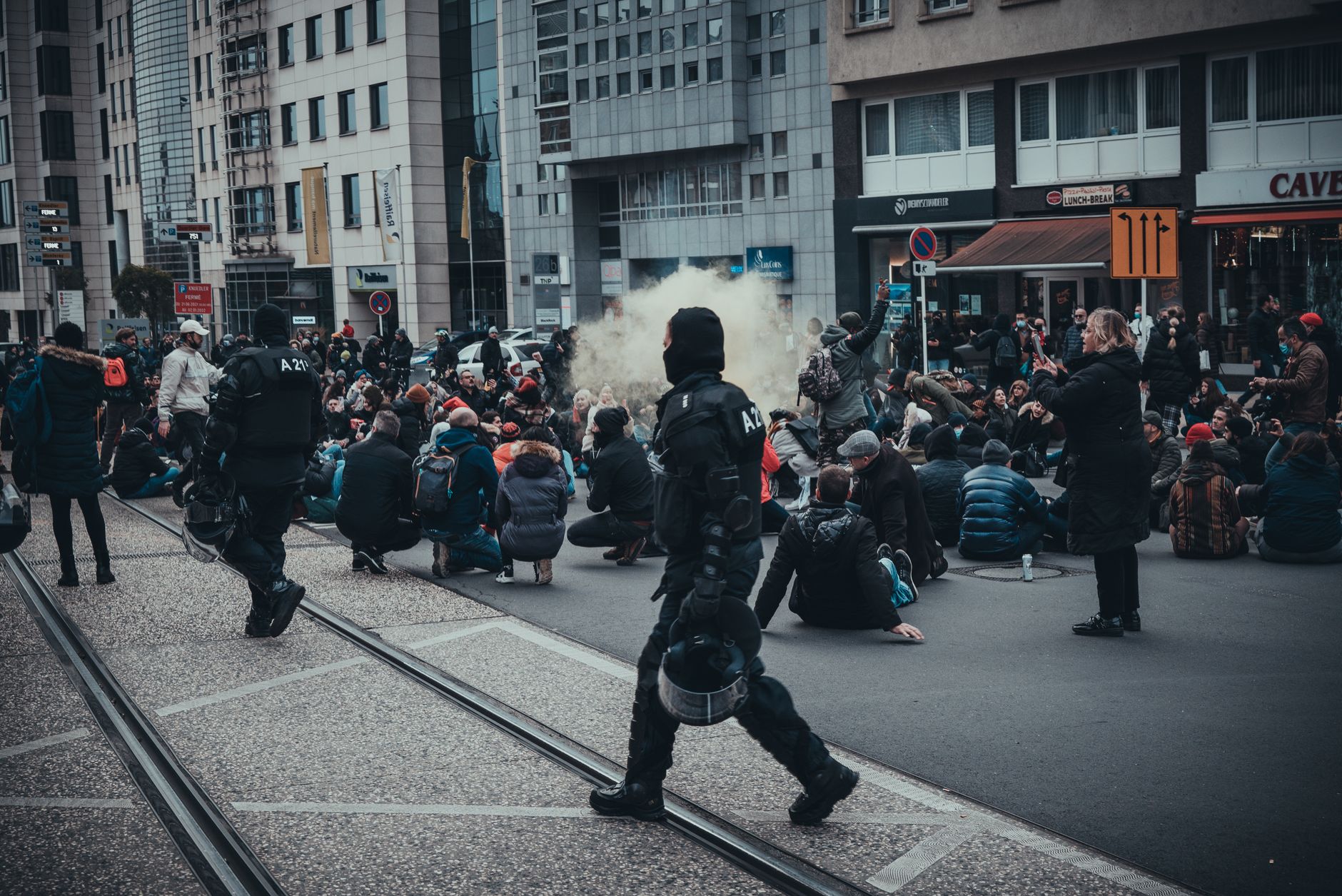
Hundreds of thousands of citizens gathered across France this Saturday, marking the third consecutive weekend of large-scale nationwide protests. While the majority of these demonstrations remained orderly throughout the daylight hours, tensions escalated significantly in several urban centers as evening approached, leading to sporadic clashes between participants and security forces.
The protests, which have become a recurring feature of French civic life in recent weeks, drew large crowds across various major cities. Participants marched through central boulevards and public squares, expressing their grievances through signs, slogans, and collective movement. Observers noted that for the most part, the atmosphere remained focused and non-violent for the duration of the afternoon, with families and individuals of diverse backgrounds contributing to a substantial turnout.
However, the mood shifted in specific locations as night began to fall. Reports from local authorities indicated that isolated groups of demonstrators engaged in direct confrontations with police officers. In these instances, the situation deteriorated rapidly, necessitating intervention from law enforcement. While the specific scale of these altercations varied by city, they served to underscore the growing frustration among certain segments of the population regarding the current political and social climate.
This third weekend of coordinated action follows a consistent pattern of mobilization that has challenged authorities to maintain order while respecting the right to public assembly. The recurrence of these protests suggests a sustained level of public engagement that shows little sign of immediate dissipation. For many, these marches provide a vital platform to voice dissent against prevailing policies, reflecting a deep-seated desire for meaningful change within the national framework.
In response to the unrest, police departments deployed additional units to monitor hotspots and prevent the escalation of violence. The authorities have maintained a visible presence in city centers, focusing their efforts on managing the flow of crowds and containing potential flashpoints. Despite the sudden outbursts in some areas, there have been no immediate reports of widespread systemic failures in crowd control, though the incidents have sparked concern regarding the potential for further instability in the coming weeks.
The underlying causes of this wave of public discontent remain multifaceted. Protesters have utilized these platforms to highlight a range of economic, social, and administrative concerns that continue to affect daily life across France. As the movement continues to evolve, the challenge for the government lies in addressing these complex grievances while managing the logistical and security demands of a vocal and persistent public. The continuity of these protests signals that the dialogue between the state and its citizens remains intensely fraught.
Looking ahead, the nature of these gatherings is expected to remain a primary focus for political observers and policy planners. The frequency of the demonstrations has forced a broader discussion about the efficacy of public engagement in the modern French context. As organizers continue to call for further action, the country remains in a state of watchful waiting. Both the government and the protest movements are currently navigating a sensitive period where the threshold for civil discourse and potential escalation remains thin, keeping the nation on edge as it moves toward another week of uncertainty.








Comments