


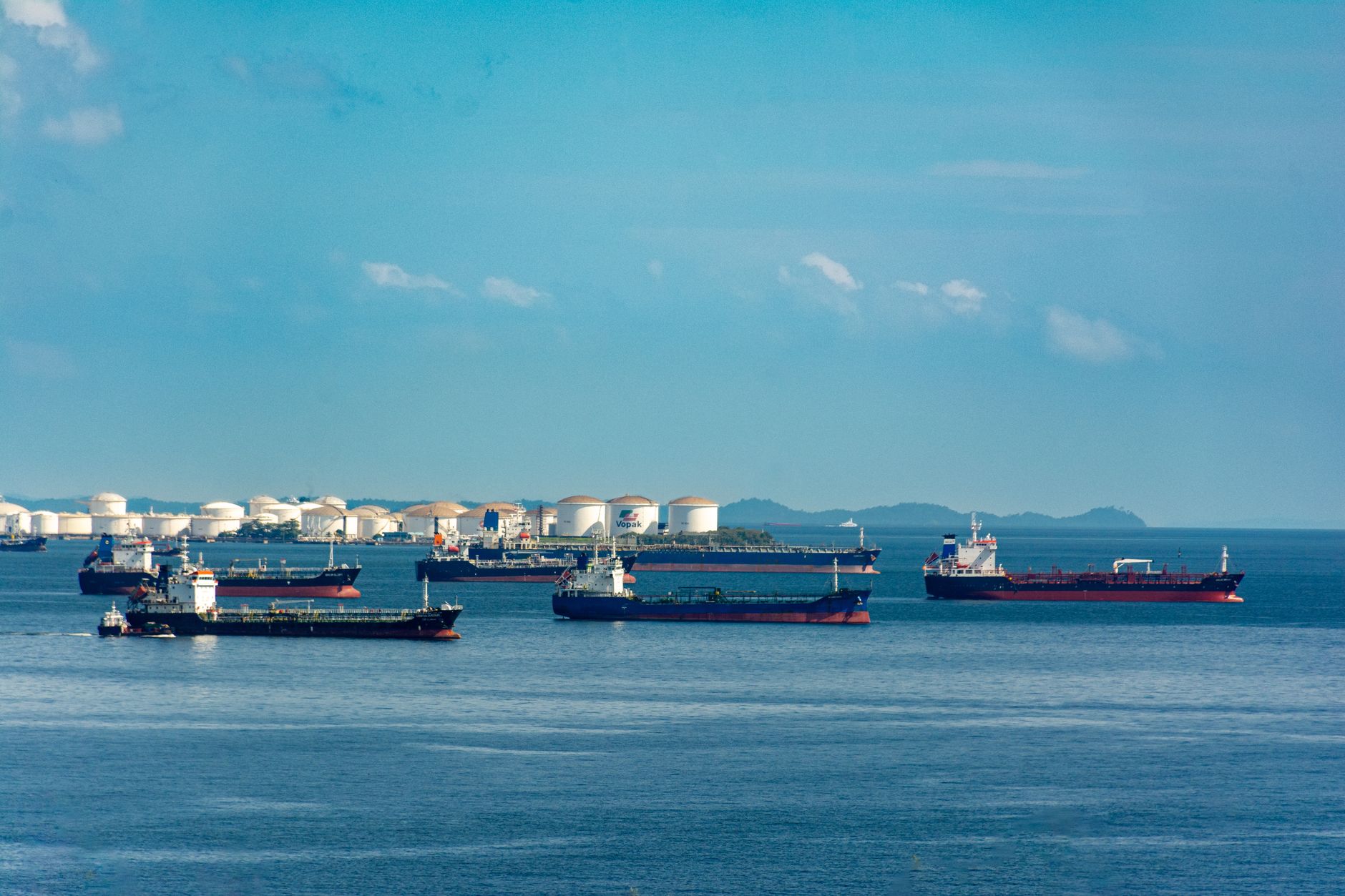
Oman’s maritime authorities successfully evacuated 25 crew members from a burning crude oil tanker in the Strait of Hormuz on Friday, according to an official statement from the Sultanate’s Maritime Security Centre. The vessel, identified by tracking services as the Panamanian-flagged tanker RITI, became the latest subject of a security incident in one of the world’s most critical maritime corridors.
The rescue operation took place as tensions in the region reached a new peak. On the same day, Iran’s Islamic Revolutionary Guard Corps (IRGC) announced that it had halted three oil-bearing vessels, including a supertanker, for allegedly attempting to navigate through “unauthorised routes” within the Strait of Hormuz. While official reports did not explicitly confirm if the RITI was among those intercepted, the IRGC stated that one supertanker, carrying more than two million barrels of oil, had suffered an explosion and caught fire while attempting to traverse the restricted path.
The IRGC’s account suggested that the tankers were brought to a halt in the waters south of the strait after encountering various incidents, including potential collisions with sea mines. In a separate announcement, the Iranian navy claimed to have destroyed an unmanned enemy craft east of the strait on Friday, further complicating the volatile security environment currently surrounding the waterway.
Tehran has maintained a firm stance regarding passage through the strait, frequently warning vessels that they must seek permission to transit the area. Last month, Iranian officials stated that any vessel attempting to use the waterway without explicit authorization would face potential destruction. Iran has asserted significant control over the strait since the conflict involving the United States and Israel commenced on February 28.
In contrast to the narrative provided by Iranian authorities, the United States military has disputed claims regarding the presence of Iranian sea mines. On Friday, the chief of United States Central Command, Brad Cooper, stated that the internationally recognized transit routes in the Strait of Hormuz have been successfully cleared of such hazards, suggesting a divergence in perspectives on the safety and governance of the maritime lane.
The broader context for these maritime challenges remains the ongoing geopolitical instability linked to the US-Israel war on Iran. As the conflict persists, international observers remain concerned about the impact of these disruptions on global oil flows and the safety of commercial shipping. While global oil prices have experienced recent volatility due to the geopolitical turmoil, the immediate focus of authorities in Oman has remained on the humanitarian rescue of the crew members affected by the blaze.
Looking ahead, the situation in the Strait of Hormuz underscores the fragile state of maritime security in the region. With both Iranian forces and US naval assets operating in or monitoring the waterway, the potential for further confrontations remains high. Commercial vessels operating in the vicinity face increasing pressure to adhere to shifting regional requirements, as diplomatic efforts to navigate these security tensions continue against the backdrop of broader regional conflict.








Comments