


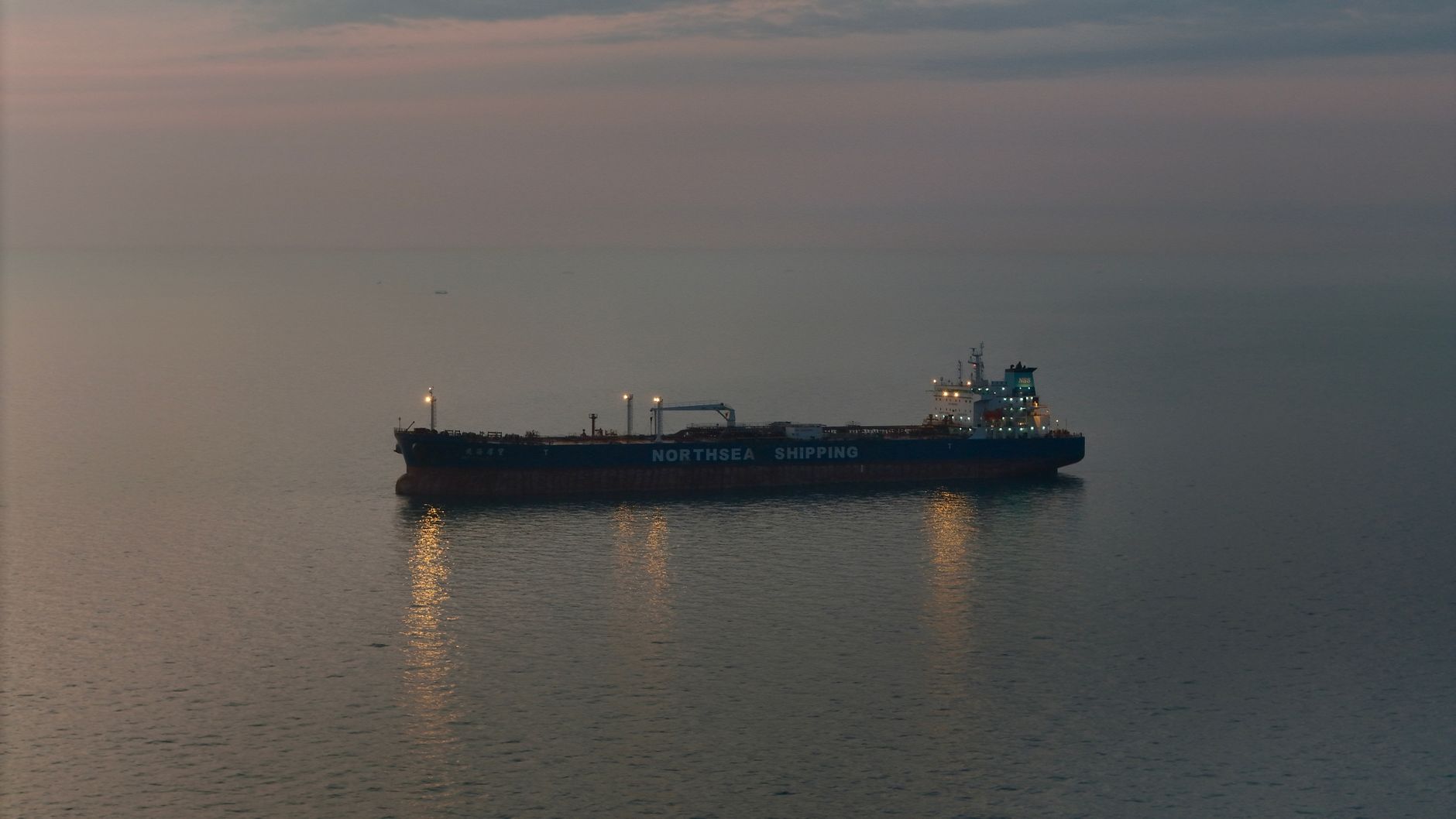
At least four oil tankers have caught fire following a series of explosions caused by naval mines in the Strait of Hormuz, according to reports released by Iran's armed forces on Thursday, October 29, 2026. The incidents, which occurred across two separate reports, have heightened tensions in the critical maritime passage that typically accounts for approximately one-fifth of the world’s daily oil and gas consumption.
The Islamic Revolutionary Guards Corps (IRGC) initially reported that three tankers were damaged after attempting to traverse what it described as an unauthorized southern route through the strait. In a formal statement, the IRGC asserted that these vessels had intentionally deactivated their radar and navigation systems before the blasts occurred. The military body maintained that these ships had failed to heed warnings issued by the IRGC navy, leading to the explosive collisions with the mines.
Following these reports, Iran’s army confirmed that a fourth vessel had also been disabled after striking a mine east of the strait. The army stated that this tanker was operating illegally within a restricted and dangerous maritime zone, rendering it completely immobile. While these reports of fire emerged, the British maritime agency UKMTO also confirmed receiving an independent report regarding a vessel on fire within the strait, though it did not provide specific details regarding the cause or potential casualties.
The events of Thursday follow a series of recent claims regarding the safety of the waterway. In the weeks leading up to these incidents, Iran had frequently reported vessels striking sea mines in the area. This prompted the United States Central Command (CENTCOM) to state publicly that it had cleared primary transit routes of such hazards. CENTCOM further reported on Sunday that it had assisted Gulf nations in exporting 1.5 billion barrels of oil through the region since the summer, amid a broader U.S.-led effort to maintain shipping access despite the ongoing war that began on February 28.
The conflicting narratives regarding the safety of the strait have escalated into a war of words between Tehran and Washington. Hossein Mohebi, the spokesman for the IRGC, publicly challenged the U.S. military’s assertion that major transit routes had been cleared. He demanded that U.S. officials provide independent evidence to support their claims rather than relying on social media statements, which he dismissed as "delusions."
Furthermore, the IRGC issued a warning to the international shipping community, stating that the southern corridor near the Omani coast is heavily mined and remains unauthorized for transit. The organization placed the responsibility for the safety of vessels and their crews squarely on the ship owners and operators who choose to ignore Iranian guidance in favor of U.S. directives.
In addition to the maritime incidents, the IRGC announced on Thursday that it had successfully captured a U.S. MQM-170 reconnaissance drone. According to the official statement, the military’s electronic warfare unit intercepted the unmanned aerial vehicle during an offensive operation in the western part of the Strait of Hormuz. The capture of the drone adds another layer of complexity to the already volatile situation in the region. As of late Thursday, it remained unclear which countries' flags the affected tankers were flying or the extent of the damage sustained by the vessels beyond being rendered immobile.







Comments