


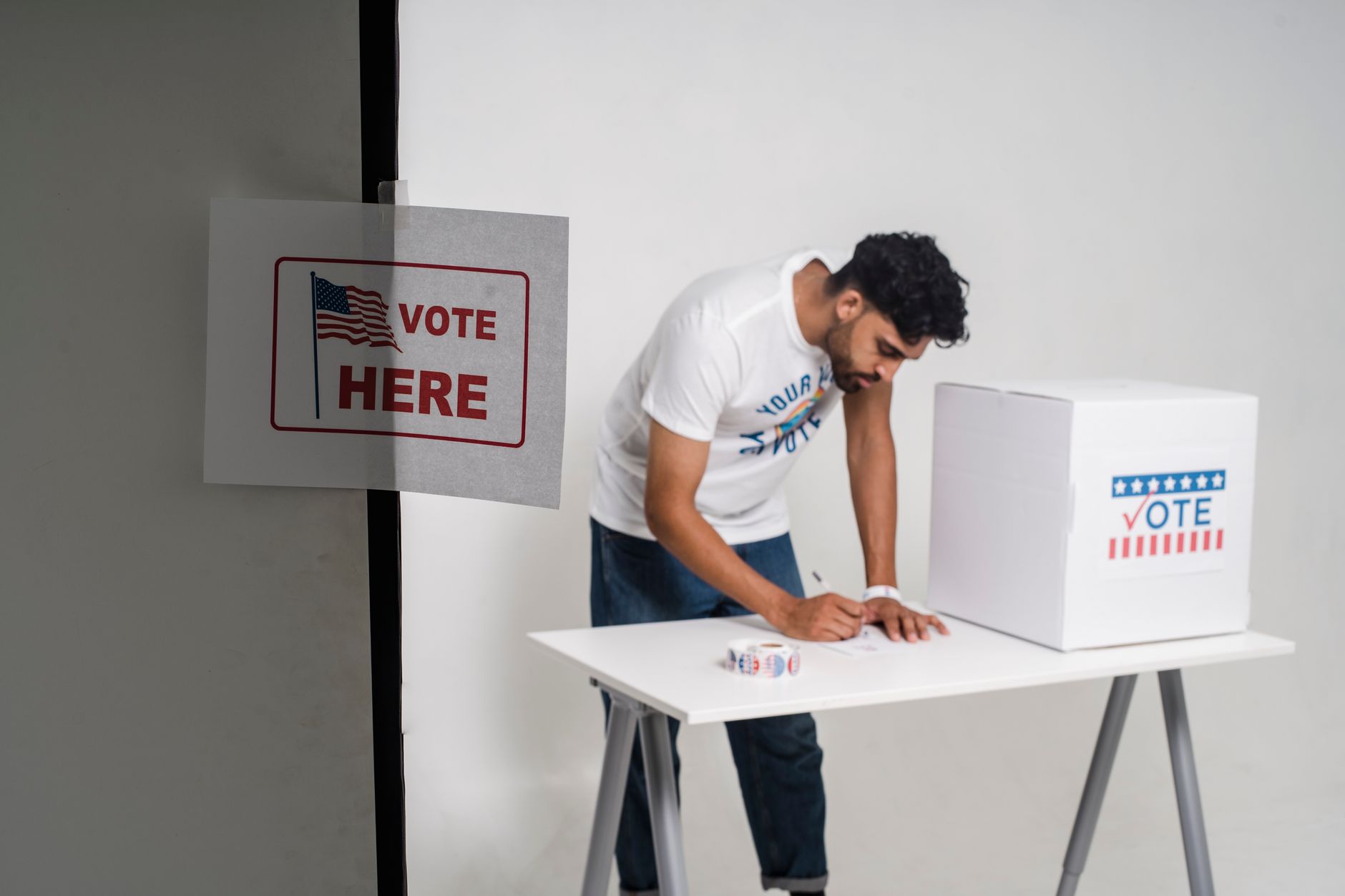
As the United States approaches its midterm elections on November 3, 2026, a notable roster of Indian-origin candidates is vying for positions at the federal, state, and local levels. These elections are pivotal, as they will determine the legislative control of Congress for the remainder of President Donald Trump’s second term. Currently, the Republican party holds a majority in both chambers, maintaining 219 seats in the House of Representatives against 214 for Democrats, alongside 53 seats in the 100-member Senate.
For the Indian-American community, these midterms represent both an opportunity to retain existing federal representation and to secure new legislative and executive roles across states such as California, Washington, Virginia, Arizona, Florida, Texas, Ohio, New York, and Maryland. The outcomes will be shaped by localized issues and specific voter choices in districts nationwide.
In the federal arena, several incumbent Democratic lawmakers are seeking re-election to the US House of Representatives. Ro Khanna is running in California’s 17th Congressional District, where he faces another Indian-origin candidate, Republican Ritesh Tandon. In Washington’s 7th District, incumbent Pramila Jayapal is challenged by Nirav Sheth. Meanwhile, Ami Bera is defending his seat in California’s 3rd District, and Suhas Subramanyam is campaigning for another term in Virginia’s 10th Congressional District.
The slate of congressional hopefuls also includes newcomers such as Democrat Amish Shah, an emergency medicine physician and former state legislator contesting Arizona’s 1st District against Republican Jay Feely. In Florida, Pia Dandiya is running as a Democrat for the 22nd Congressional District seat against Republican Casey Askar. These races follow the primary season, which saw some high-profile losses for other Indian-origin candidates, including Raja Krishnamoorthi in Illinois and Shri Thanedar in Michigan.
State-level races remain a significant focus, with candidates aiming to influence local policies concerning education, healthcare, and taxation. In Texas, Pooja Sethi is seeking election to the Texas House of Representatives from District 47, while Sandeep Srivastava is contesting District 66 against Republican incumbent Matt Shaheen. These campaigns form part of a broader push to increase the political footprint of Indian-Americans within state legislatures.
One of the most high-profile contests involving an Indian-origin candidate is the race for the Ohio governorship. Republican nominee Vivek Ramaswamy, a biotech entrepreneur who previously sought the 2024 presidential nomination, is campaigning against Democratic challenger Amy Acton, a former state health director. The election, which pairs Ramaswamy with his running mate Robert A. McColley, is expected to be closely monitored as a key statewide battle.
Elsewhere in the country, Republican candidate Saritha Komatireddy is challenging incumbent Democrat Letitia James for the position of New York attorney general. This race pits a Republican hopeful against a prominent Democratic officeholder in a contest that carries significant weight for the state's legal and enforcement priorities. As voting day approaches, the collective results of these diverse campaigns across the US will provide a clear picture of the evolving role of Indian-American political representation in the country's legislative and executive future.








Comments