


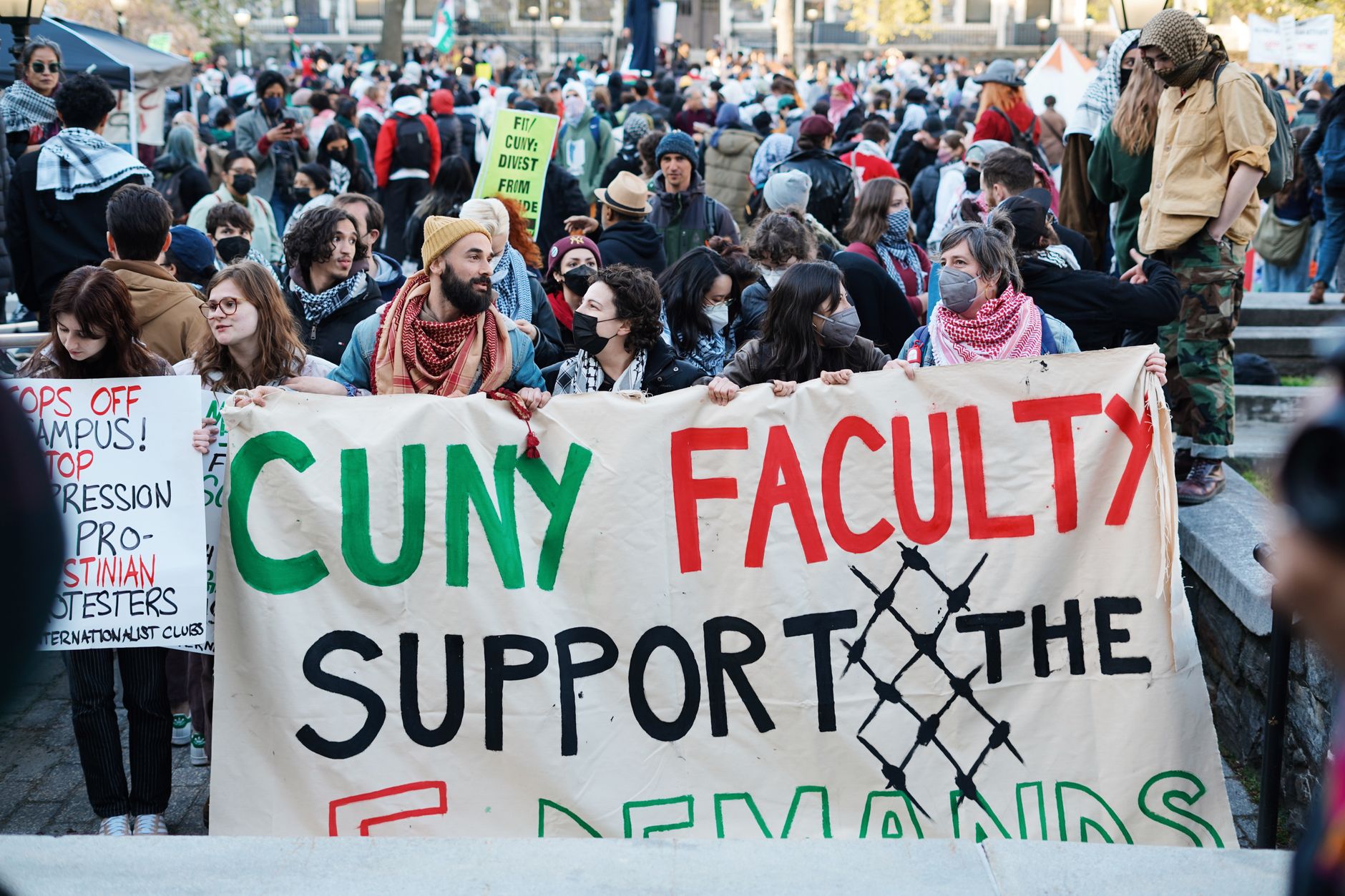
A group of students at Jamia Millia Islamia in New Delhi has launched a hunger strike, pressing the university administration to restore the institution's student union. The demonstrators, gathered on campus, argue that the absence of a formal student body has stifled democratic participation and deprived the student population of a platform to address their concerns effectively.
The hunger strike, which marks a significant escalation in ongoing advocacy efforts, follows months of informal appeals by various student groups. The protesters maintain that a student union is a fundamental requirement for any central university, serving as a bridge between the student body and the administration. They assert that without an elected union, students lack a structured mechanism to participate in policy discussions or advocate for their academic and welfare interests.
Observers of campus politics note that the demand for a student union has been a point of contention at the university for several years. Historically, student unions played an active role in organising debates, cultural events, and representing student grievances regarding hostel facilities, examination schedules, and tuition fee structures. Supporters of the strike emphasize that the restoration of such a body is necessary to foster a vibrant political culture and ensure accountability within the university governance framework.
The current protest takes place against a backdrop of broader conversations regarding campus autonomy and the state of student politics in India. Educational experts often cite student unions as vital training grounds for future public leaders, providing participants with essential experience in negotiation, public speaking, and administrative oversight. The students on strike have expressed their determination to continue their protest until they receive a concrete commitment from the university authorities to hold elections.
As the hunger strike continues, the atmosphere on the campus remains focused on the demand for immediate democratic reform. Fellow students have held solidarity gatherings, while discussions continue regarding the legal and administrative procedures required to revive the defunct union structure. For many participating in the strike, the goal is not merely the formation of a committee, but the re-establishment of a long-standing tradition of student representation that was once a hallmark of the university's institutional culture.
There has been no official statement from the university administration regarding the protest or the specific demands put forward by the striking students. As the strike progresses, stakeholders are watching to see if the university will engage in a dialogue to address the core issues raised by the protesters. The situation remains fluid, with student activists indicating that they are prepared to sustain the protest as they seek formal recognition of their right to self-representation.
The outcome of this standoff could have broader implications for student governance across other central universities in India that have faced similar challenges. If the students succeed, it could serve as a precedent for other institutions looking to reinstate or empower their own student bodies. For now, the focus remains entirely on the developments at Jamia Millia Islamia, where the students are waiting for a formal response that acknowledges their request for the restoration of the union.








Comments