


Jamia Millia Islamia (JMI) announced on Saturday that all classes for its courses would transition to online mode with immediate effect. The decision, which will remain in place until further notice, was described by the university administration as a “precautionary measure” intended to ensure the safety and well-being of the entire campus community.
In an official notice, the university directed all Deans, Heads of Departments, Directors, and faculty members to adhere to the new online academic schedule. Students have been instructed to ensure their participation in these virtual sessions, while faculty are tasked with arranging necessary learning materials and providing academic support to students from remote locations.
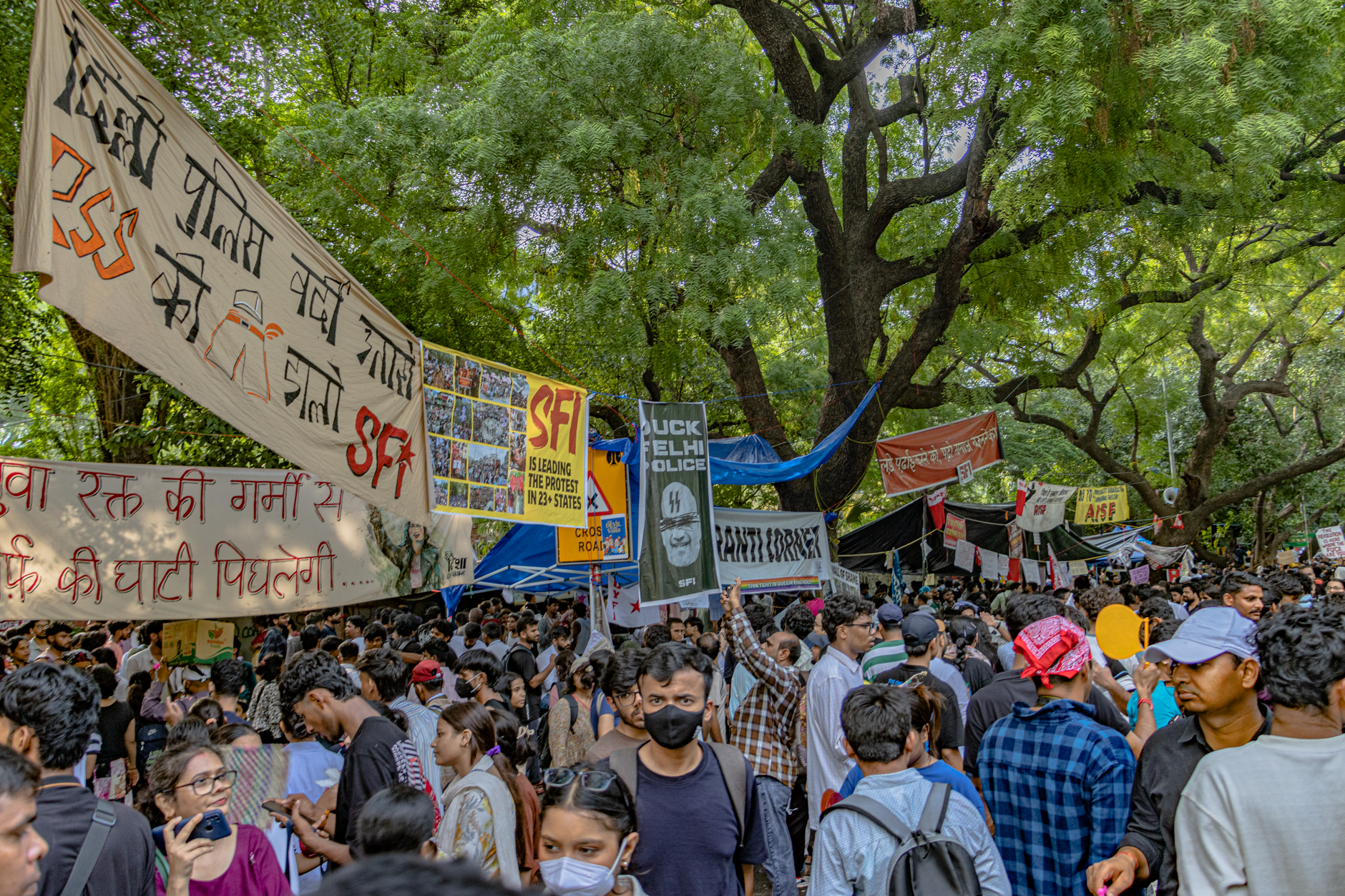
This shift to online learning coincides with a period of heightened friction between the university administration and a section of the student body. The unrest centers on a protest and hunger strike that entered its 13th day on Saturday. Five students have been participating in the hunger strike, demanding the restoration of the Jamia Millia Islamia Students’ Union (JMISU), which has remained dissolved since March 2006. In addition to the union's revival, the protesters are calling for the removal of the university’s Chief Proctor, accusing the office of conducting a harsh crackdown on those participating in the agitation.
Amidst the administrative shift to online classes, the All India Students' Association (AISA) levelled serious allegations against the university leadership. In a press release issued on Saturday, the organisation claimed that the administration had begun “assaulting students” during the ongoing negotiation process. The group stated that the protest site and those involved in the hunger strike were under attack, describing the development as a brutal response to the students' demands.
Specific protesters, including Jasim Ali Khan, who has been on hunger strike since the beginning of the agitation, have publicly denounced the administration's actions. Khan specifically demanded that the university revoke the suspensions of various students, while another protester, Anas, called for the withdrawal of show-cause notices issued by the proctor and the disciplinary committee. The protesters maintain that their campaign will continue until their core demand for the restoration of the student union is met.
The protests have also been complicated by recent controversies regarding graffiti found on campus featuring “Free Kashmir” slogans. Addressing these concerns, Anas asserted that the protesters were not involved in the incident and suggested that a narrative was being intentionally manufactured to disrupt their peaceful demonstration. He urged the university administration to conduct a thorough investigation, suggesting they check security camera footage to identify the culprits and clarify the matter to prevent further unrest.
This is not the first instance of tension during the current protest cycle. In the earlier days of the agitation, which began on October 12, there were reports of friction when the Delhi Police attempted to clear the designated protest site within the university premises. As the current standoff continues, the administration’s focus remains on maintaining academic continuity through digital platforms while the underlying dispute over student representation remains unresolved.








Comments