


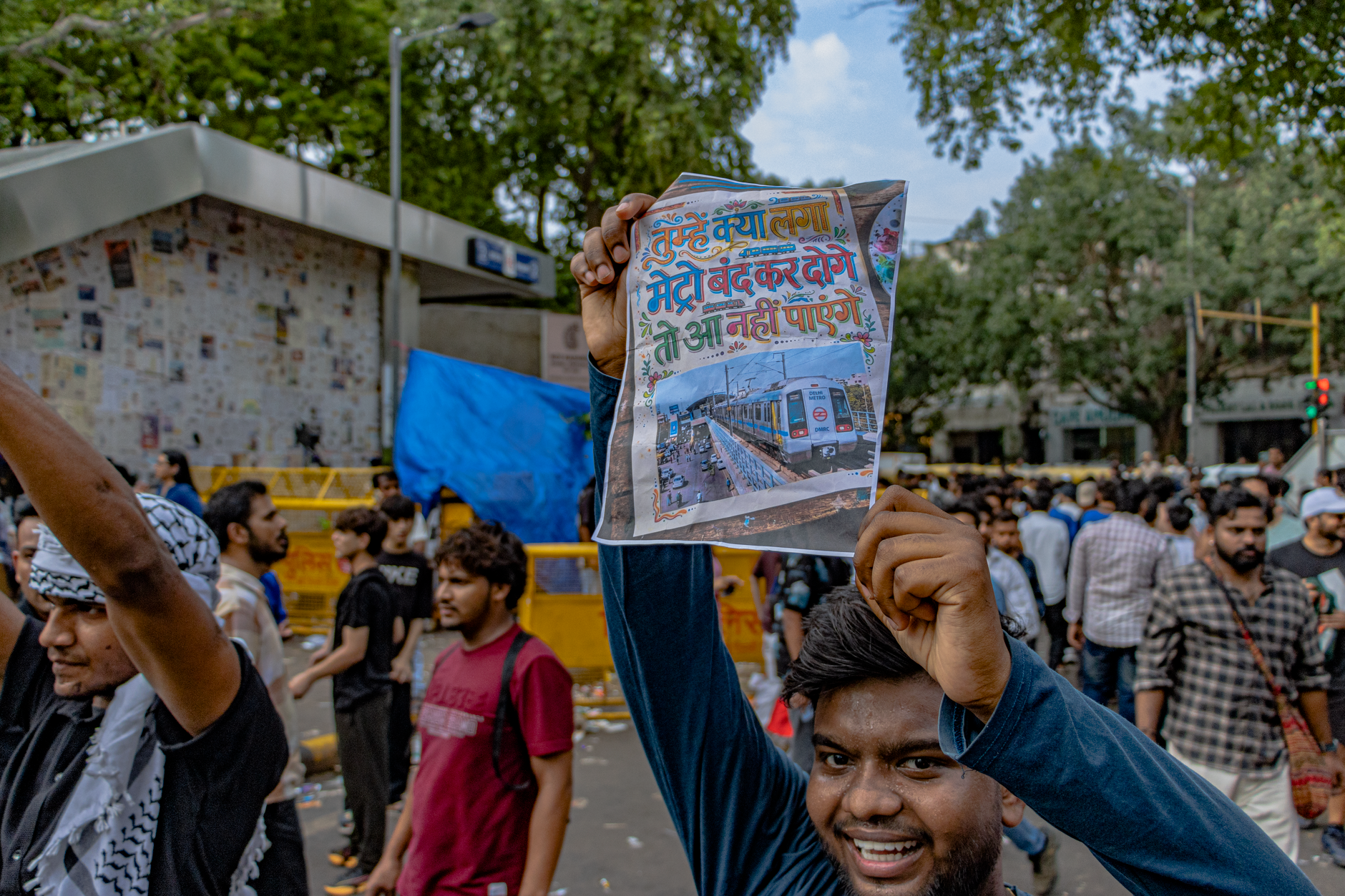
Tensions escalated at Jamia Millia Islamia in New Delhi on October 26, 2026, as fresh protests broke out on campus just hours after the university administration officially announced a timeline for upcoming student union elections. The sudden resurgence of demonstrations led to a police intervention, with reports confirming that several students were detained amid the heightened atmosphere on the university grounds.
The latest round of unrest follows a period of intense advocacy by the student body, which had been pushing for significant administrative changes. Before the recent protest, the university leadership had seemingly reached an understanding with the students, agreeing to a series of key demands. These included the commitment to hold the Jamia Millia Islamia Students’ Union (JMISU) elections, a long-standing request from the student community.
Beyond the election schedule, the administration had also agreed to address grievances related to disciplinary actions taken against students. The university had reportedly consented to revoke suspension orders and cancel show-cause notices that were issued during previous cycles of protest. These concessions were initially viewed as a path toward stabilizing the campus environment and resolving the ongoing standoff between the student representatives and the administration.
However, the announcement of the election timeline did not achieve the intended pacification. Despite the administration fulfilling these primary conditions, fresh demonstrations emerged quickly, suggesting that the underlying causes of the conflict remain unresolved. The sudden shift from apparent cooperation to renewed protest has raised critical questions regarding the communication gap between the university management and the students, as well as the overall handling of the campus dispute.
The return of the protests highlights the volatile nature of the current situation at the institution. While the university has moved to meet specific requirements for the return of student union activities, the persistence of the agitation indicates that segments of the student population may still be dissatisfied with the broader terms or the implementation process of these agreements. Observers are now looking closely at how the administration intends to proceed with the election process in light of the continued unrest.
The detention of students adds a new layer of complexity to the developments. Authorities have stepped in to manage the protests, but such measures often provoke further reactions from the student collective, potentially extending the period of instability on campus. As the situation evolves, the university faces the dual challenge of ensuring the smooth conduct of the union polls while simultaneously attempting to address the concerns of students who continue to gather in opposition.
At this stage, the future of the election process depends on whether the university can find common ground with those leading the protests. Any further delays or intensification of the demonstrations could impact the academic schedule and the democratic exercise within the university. The coming days will likely determine if the administration can restore order or if further negotiations will be necessary to resolve the friction that has once again gripped the campus.








Comments