


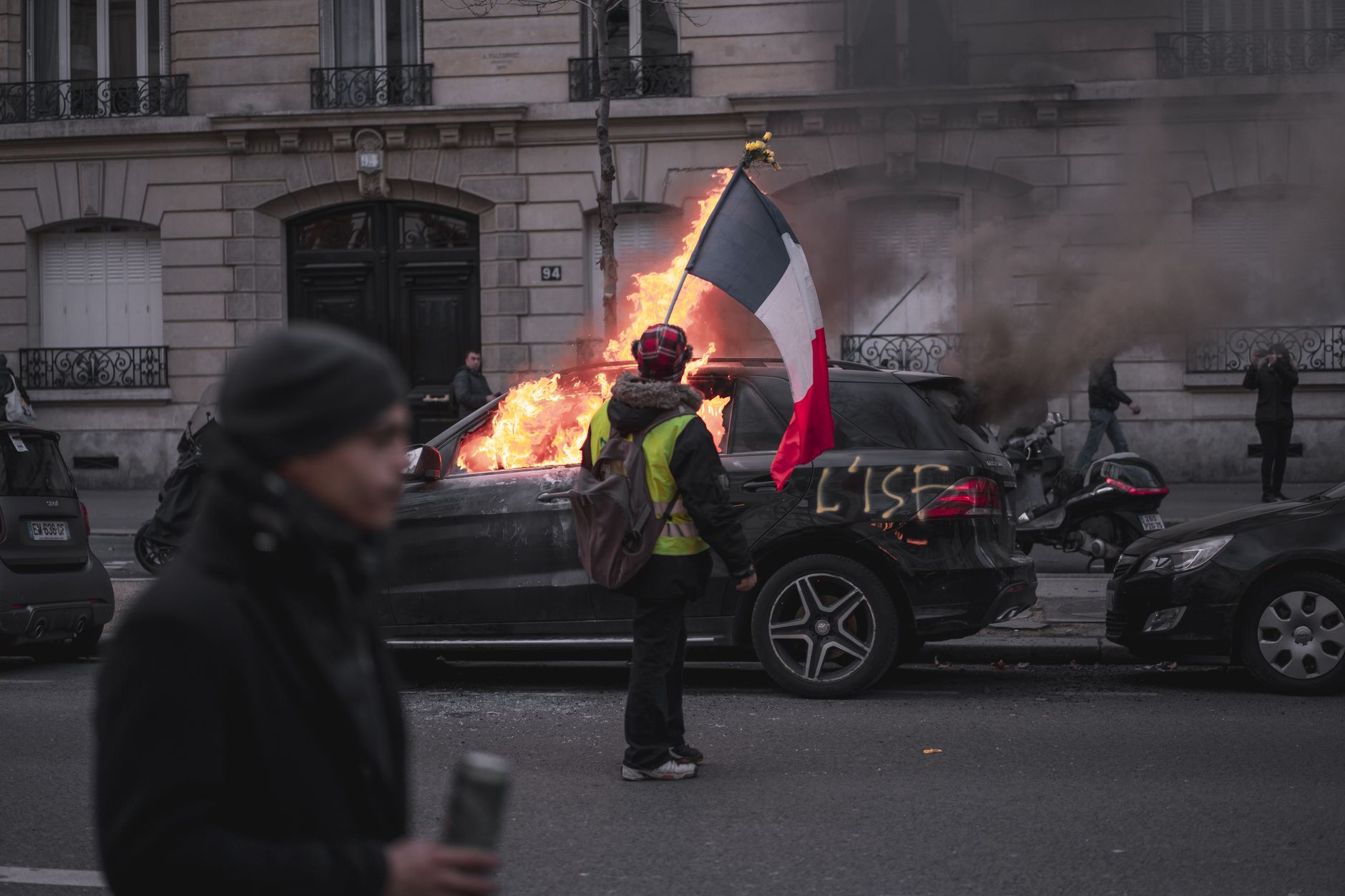
Widespread protests, violent clashes, and reports of looting have gripped France, drawing significant international attention to the nation’s ongoing social and political stability. Amidst the turmoil, former US President Donald Trump has waded into the situation, publicly attributing the unrest to current immigration policies and criticizing European border management strategies. His remarks have served to intensify an already heated political debate within France concerning the root causes of the civil disturbance and the adequacy of the state’s approach to national security.
The scale of the unrest became evident on October 24, when large-scale demonstrations took place across the country. According to official figures released by France’s Interior Ministry, more than 410,000 people participated in the nationwide rallies. However, the CGT trade union, which has been involved in organizing and tracking the demonstrations, provided a significantly higher estimate, suggesting that nearly 800,000 people took to the streets to voice their grievances. The discrepancy between these figures highlights the complexity of the current situation and the varying perspectives on the scale of public dissatisfaction.
The intervention by the former American leader has added a layer of international scrutiny to France’s domestic troubles. By pointing to immigration as a primary factor, Mr. Trump’s commentary aligns with a broader global discourse on the impact of border policies on internal cohesion. For the French administration, these comments arrive at a precarious time as it attempts to manage the immediate impact of the protests, which have included incidents of looting and physical confrontations between demonstrators and security forces.
The debate surrounding these events has become increasingly polarized. Supporters of more restrictive policies point to the unrest as evidence that current systems are failing to maintain public order and integrate populations effectively. Conversely, critics of such narratives argue that focusing on immigration obscures deeper socioeconomic issues, such as unemployment, systemic inequality, and the specific grievances held by the protesters themselves. The ongoing demonstrations represent a multifaceted challenge for the French government, which must now balance the maintenance of public order with the need to address the underlying concerns of a significant segment of its population.
Observers of French politics note that the intensity of the current protests reflects a deeper strain in the national social fabric. The presence of such large numbers of people in the streets, regardless of the precise count, indicates a high level of mobilization that transcends singular issues. As the situation evolves, the government faces the arduous task of de-escalating the violence while managing the political fallout from both domestic and international critics.
What happens next remains a critical point of concern for European policymakers. As the unrest persists, the French state is expected to focus on restoring order in urban centers where looting and clashes have been most prominent. Simultaneously, the political establishment is under pressure to articulate a clear strategy to address the demands of the protesters. The rhetoric surrounding immigration and national security is likely to remain a central theme in the political discourse, both within France and in its relations with international partners like the United States, as the country navigates this period of instability.
The international community will continue to monitor the situation closely, particularly given the implications for European border policies. Whether these protests lead to tangible policy shifts or result in a prolonged standoff between the authorities and the public remains to be seen. For now, the focus in Paris and beyond remains on the immediate containment of violence and the assessment of the long-term impact on the country's governance and social cohesion.








Comments