


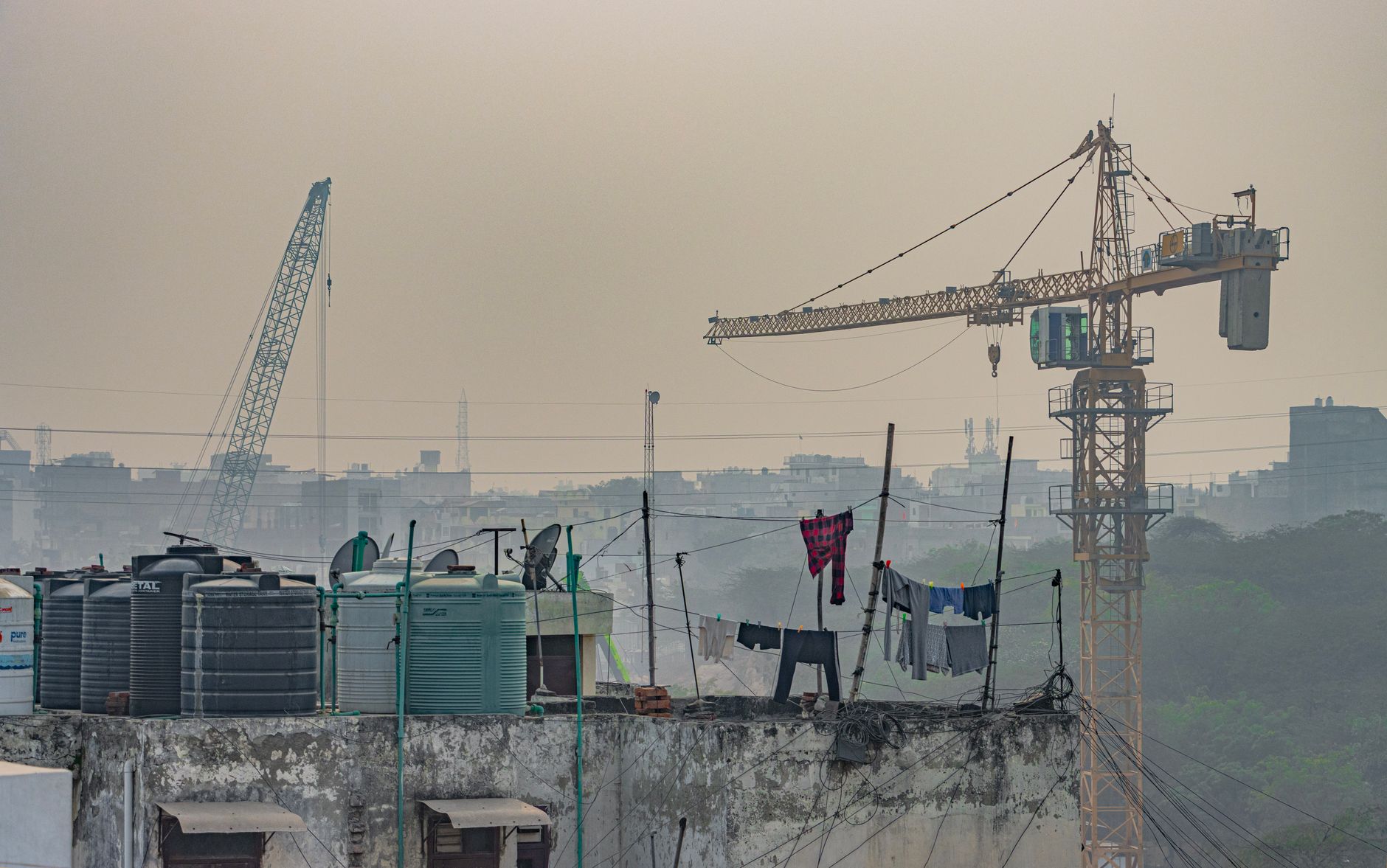
Air quality in the national capital saw a sharp decline this week, as the Air Quality Index (AQI) surged from 179 on October 20 to 244 by the afternoon of October 21. This rapid deterioration, which pushed the city's air quality into the 'poor' category, necessitated immediate intervention from environmental authorities. Consequently, the Commission for Air Quality Management (CAQM) invoked Stage 1 of the Graded Response Action Plan (GRAP) across the National Capital Region (NCR), effective immediately.
The decision to implement these emergency measures followed a comprehensive review by the GRAP sub-committee. Officials assessed current pollution levels alongside meteorological data and forecasts provided by the India Meteorological Department and the Indian Institute of Tropical Meteorology. These agencies have indicated that the air quality is expected to remain in the 'poor' category for the immediate future, prompting the need for proactive regulatory steps to prevent further degradation of the region's atmosphere.
Under the newly activated Stage 1 protocols, specific restrictions have been placed on commercial and industrial activities. Notably, the use of coal and firewood as fuel in tandoors at hotels, restaurants, and open eateries is now prohibited. Furthermore, the operation of diesel generator sets has been restricted, although exemptions remain in place for essential services and emergency operations as outlined in the established plan. The CAQM has directed all relevant agencies throughout the NCR to ensure strict compliance with these measures.
The GRAP framework operates as a tiered system of emergency responses, designed to tackle rising pollution levels incrementally. The stages are triggered based on specific AQI thresholds: Stage 1 applies when the air quality is 'poor' (AQI 201–300), while subsequent stages are implemented as conditions worsen. Stage 2 covers the 'very poor' category (AQI 301–400), with Stage 3 and Stage 4 managing the 'severe' levels above 400. By initiating Stage 1, the government seeks to curb emissions before they reach more hazardous levels.
This latest regulatory move arrives shortly after the Delhi government unveiled its comprehensive winter action plan, which is slated to run from November 1 through February 28. That broader strategy includes stringent policies such as a 'No PUC, No Fuel' mandate, prohibiting petrol pumps from dispensing fuel to vehicles lacking a valid Pollution Under Control certificate. Additionally, the government plans to enforce bans on vehicles registered outside Delhi that do not meet BS-VI emission standards.
Beyond vehicle regulations, the winter action plan focuses on controlling road dust, monitoring the transportation of construction materials, and imposing restrictions on construction and demolition activities. The government is also emphasizing the expansion of public transportation and the promotion of electric buses as part of its ongoing efforts to mitigate the seasonal increase in pollution levels that typically plagues the region during the winter months.
As enforcement begins, the CAQM has urged citizens to cooperate with local authorities and adhere to the guidelines set under the GRAP-1 protocols. The commission emphasized that these measures are critical to ensuring that the air quality does not reach more dangerous levels, and continued vigilance is required from both the public and relevant government agencies to manage the environmental challenges faced by the national capital region.








Comments