


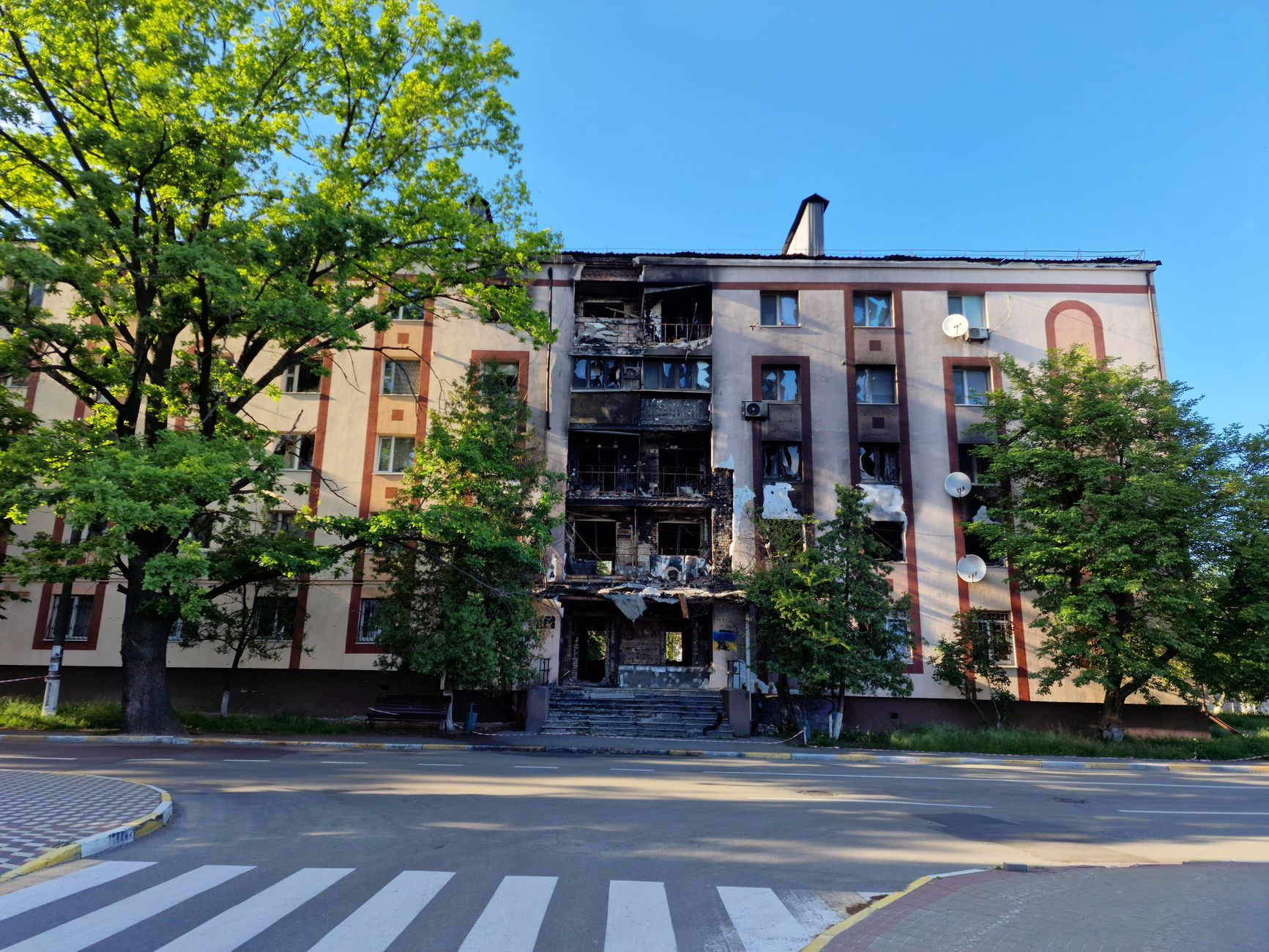
President Volodymyr Zelenskiy announced on Monday that Ukraine did not receive any advance warning from international partners regarding a significant Russian ballistic missile strike that occurred overnight. The assault, described as one of the broadest in several months, targeted multiple regions, resulting in widespread damage to energy infrastructure and leaving over half a million households without power.
Official reports confirmed that at least ten people were killed during the attacks. Two fatalities were recorded in Kyiv and its surrounding region, while two more individuals died in the industrial city of Kryvyi Rih. Furthermore, a separate Russian drone strike in a park near Kharkiv, the nation's second-largest city, resulted in the deaths of six people, including two children. The regional governor, Oleh Syniehubov, confirmed the casualties, with President Zelenskiy condemning the Kharkiv strike as an act of absolute barbarity.
The scale of the bombardment was significant, with Moscow launching 16 ballistic missiles at Kyiv and the surrounding area. Additionally, more than 200 drones were deployed, affecting regions ranging from Kharkiv and Dnipro in the east to Odesa in the south, as well as Volyn and Rivne in the west. Throughout the ongoing conflict, now in its fifth year, Ukraine has typically relied on intelligence provided by the United States to detect ballistic missile launches and issue early warnings to the public.
In a statement posted on Telegram, Zelenskiy expressed frustration over the lack of intelligence ahead of the strikes. He noted that the assault occurred in several waves, and once again, there was no early warning provided by partners. The President further addressed tensions regarding military support from the administration of US President Donald Trump, suggesting that some vital deliveries are being delayed at the level of the US Department of Defense.
Zelenskiy highlighted that political agreements concerning air defence capabilities have not been effectively implemented at the operational level. He emphasized that the current blockage of missile deliveries for Ukrainian air defence, combined with what he described as relief or delays in sanctions against Russia, constitutes a denial of reality by international partners. Kyiv has previously reported consistent difficulties in securing the interceptors necessary to defend against such high-volume missile attacks.
In response to the growing threat, President Zelenskiy held discussions with representatives from the American defence contractor Lockheed Martin to explore options for expediting the supply of Patriot missile systems. These systems, alongside F-16 fighter jets, are considered vital for countering Russian ballistic missiles and drones. The President indicated that Lockheed Martin is currently increasing production of ballistic interceptors, and expressed a desire to acquire these systems to protect Ukrainian lives.
Yurii Ihnat, a spokesman for the Ukrainian air force, confirmed that while the military received no warning before the initial ballistic missile strike, some information was provided by partners ahead of a second wave of attacks. As the country grapples with the aftermath of the bombardment, the government continues to signal that its defensive capabilities remain under strain due to the current shortages of essential equipment.







Comments