


Ukrainian President Volodymyr Zelenskyy has stated that Kyiv received no early warning from its international allies prior to a significant overnight ballistic missile and drone attack launched by Russia. The offensive, which targeted 11 regions across the country, resulted in widespread damage to critical energy infrastructure and left at least 550,000 households without electricity, according to official reports.
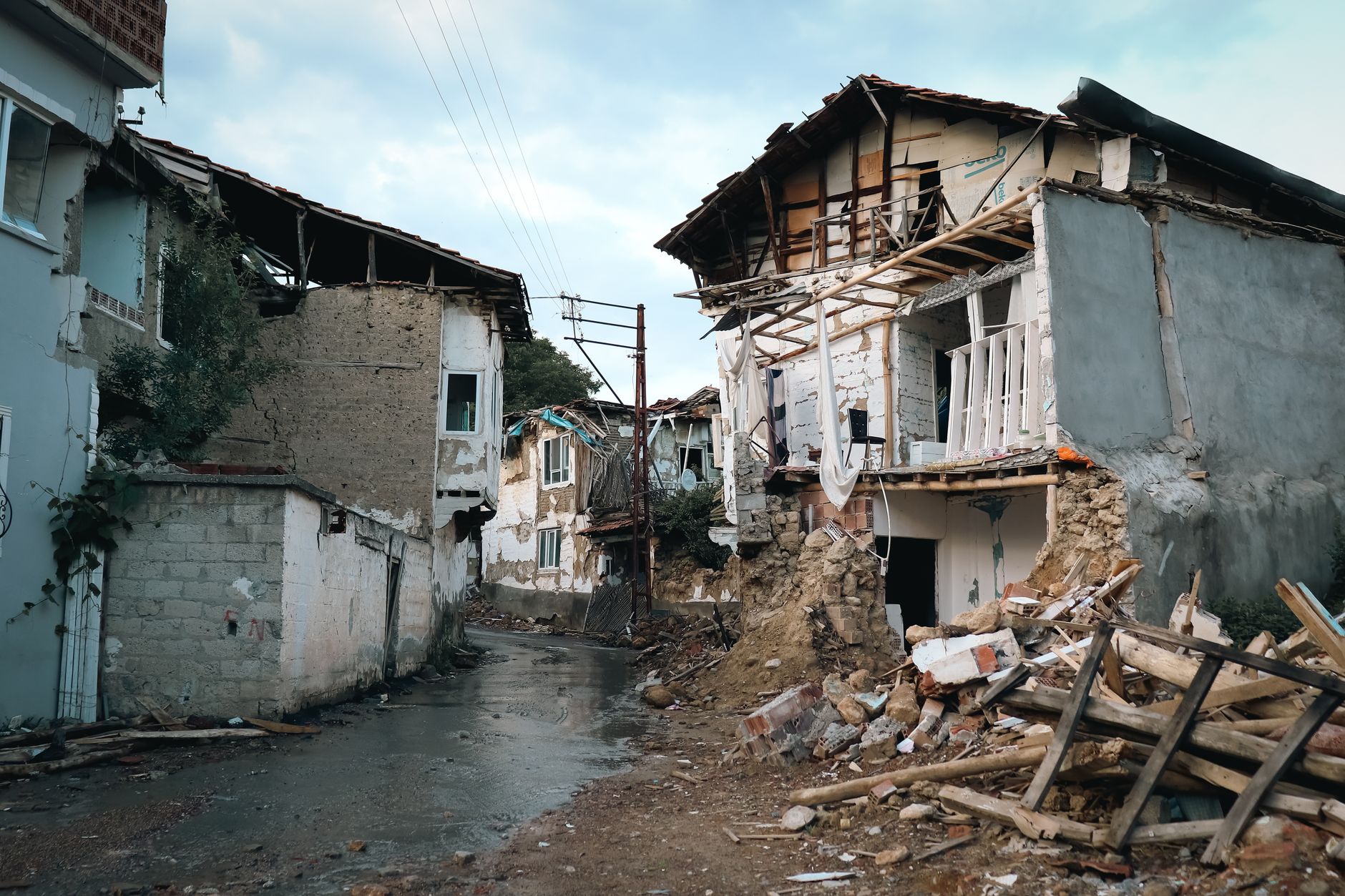
The barrage, described by Ukrainian authorities as a deliberate effort to compromise civilian infrastructure, involved 16 ballistic missiles and more than 200 drones, including jet-powered Shahed variants. The impacts were reported across regions ranging from Kharkiv and Dnipro to Odesa, Volyn, and the capital, Kyiv. In addition to the power grid damage, the assault resulted in one fatality and injured eight others in Kyiv alone. Local emergency services responded to fires and structural damage at various sites, including residential buildings, educational institutions, a sports facility, and a medical center in the city's Solomianskyi district.
Addressing the perceived lack of communication from international partners, President Zelenskyy emphasized the necessity for clearer support and increased air defense capabilities. He stated in a post on social media that the lack of warnings is problematic when Ukraine faces waves of ballistic missile attacks. Zelenskyy also expressed frustration regarding broader international support, arguing that delays in air defense missile deliveries and the easing of sanctions on Moscow are counterproductive to efforts aimed at de-escalating the conflict.
Responding to these concerns, US Secretary of State Marco Rubio categorically denied reports of any interruption in cooperation between Washington and Kyiv. Speaking to NBC in Uzbekistan, Rubio asserted that intelligence sharing has remained continuous. “There's been no pause,” Rubio stated, adding that he was unclear as to the source or motivation behind suggestions that such support had been suspended.
Ukraine’s Air Force provided an overview of the scale of the engagement, reporting that its air defense units managed to intercept or suppress 243 drones and four missiles. However, the intensity of the assault left 25 locations struck, with debris causing additional damage at eight separate sites. Ukraine's Deputy Energy Minister, Artem Nekrasov, confirmed that the government has implemented rolling blackouts and electricity restrictions for industrial and business consumers to manage the strain on the damaged energy network.
For its part, the Russian Ministry of Defence characterized the operation as a “massive strike” utilizing high-precision weapons. The Russian military claimed to have successfully targeted military-industrial facilities, drone production logistics, and cruise missile storage sites. These developments underscore the ongoing intensity of the conflict as both sides continue to target critical strategic assets across the country.
As repair crews work to restore power to affected regions, the discord regarding intelligence transparency and the adequacy of Western military aid highlights the growing tension in diplomatic relations. Zelenskyy reiterated that Ukraine remains open to ceasefire proposals, but claimed that Russian leadership shows no interest in genuine de-escalation, making continued and reliable support from international partners critical for the nation's defense.







Comments